Description
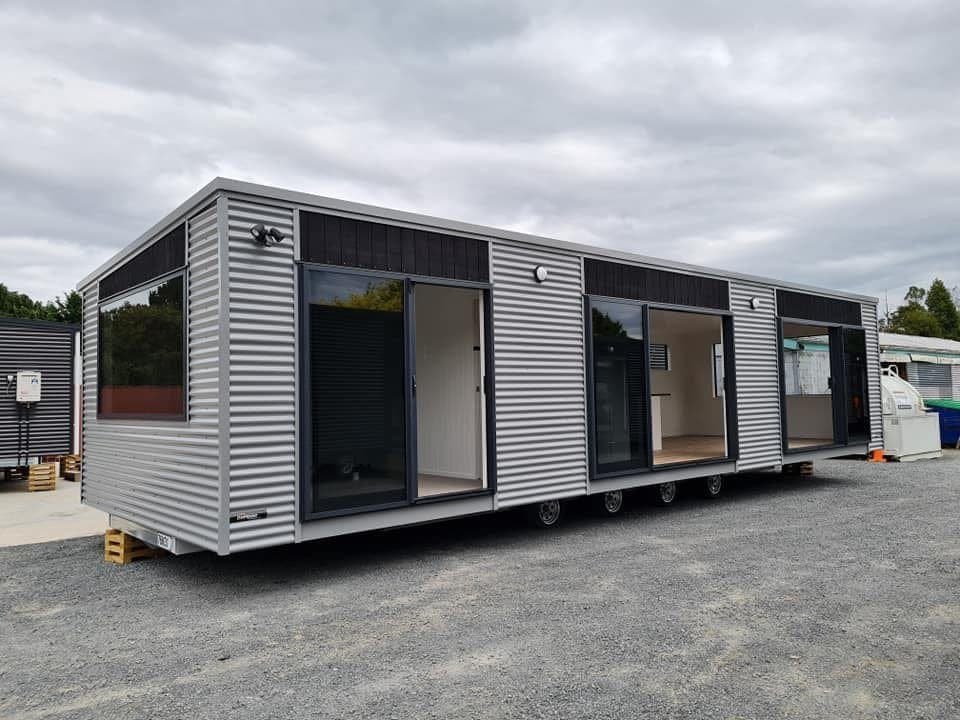
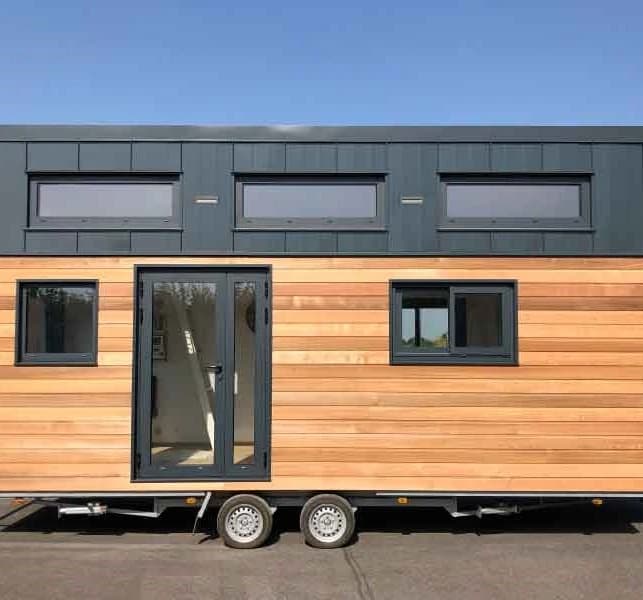
The new Movemente T2 habitable container is a turnkey modular solution of 48 m², designed to provide a comfortable and durable living or working space. It stands out from standard shipping containers thanks to its complete interior fit-out and reinforced insulation, making it suitable for residential or professional use over long periods.
This model is based on a shipping container structure, generally made of Corten steel, known for its corrosion resistance and robustness. The stated external dimensions are 12 m long, 4 m wide and 3.5 m high, giving a living area of around 48 m². These dimensions exceed those of a standard 40-foot container (12.19 m x 2.44 m x 2.59 m), indicating an extension in width and height, probably achieved by assembling modules or by a specific structure. This configuration offers a significantly more comfortable interior volume than a classic container.
Thermal insulation is a strong point of this model. The walls are insulated with 10 cm thick rock wool, while the floor and ceiling benefit from 15 cm insulation. Rock wool is a non-combustible mineral material, recognised for its thermal and acoustic performance. This insulation helps reduce heat loss in winter and limit overheating in summer, contributing to better interior comfort and lower energy needs for heating or air conditioning.
The external windows and doors are double-glazed, which improves thermal and sound insulation compared with single glazing. Double glazing limits thermal bridges at the windows and reduces external noise, a significant advantage in urban areas or near roads.
Inside, the walls are covered with moisture-resistant panels, a finish suitable for damp rooms such as the bathroom or kitchen. The ceiling consists of vertical joints, ensuring a neat finish and good sealing. The layout includes two bedrooms, which can accommodate a small family, a couple with a child, or separate workspaces.
The container is fully wired and lit. Interior lighting uses LEDs in each room, an energy-efficient and long-lasting technology. The water and sewer system is integrated, meaning the container can be connected to public networks or a septic tank depending on the site configuration. Ventilation is provided by a general system, supplemented by mechanical ventilation in the bathroom to remove humidity and odours.
Thermal comfort is enhanced by air conditioning with a heating function (reversible), maintaining a pleasant temperature in all seasons. This type of equipment is particularly appreciated in regions with hot summers and cool winters.
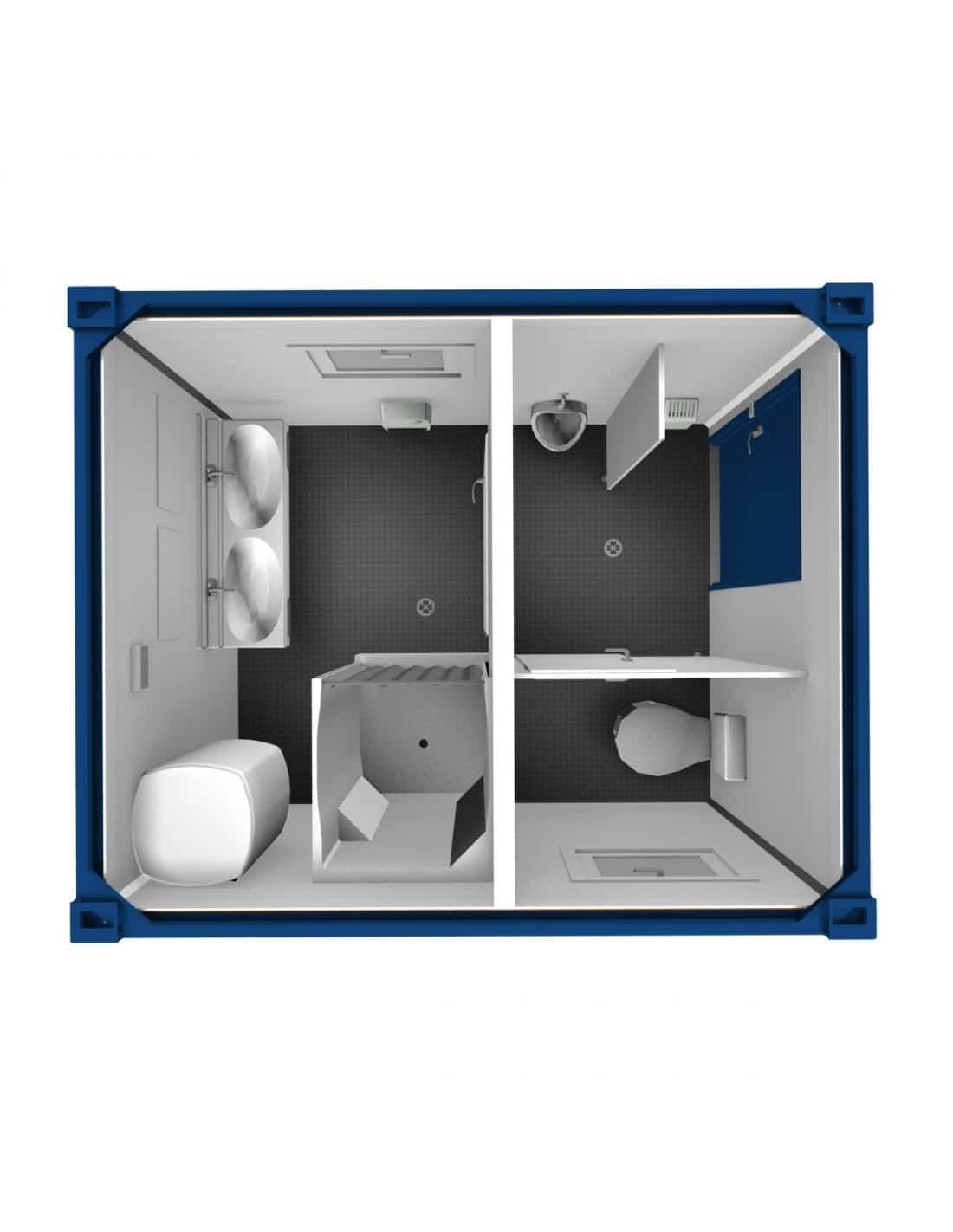
Interior doors are included, ensuring room separation and occupant privacy. The internal layout is not detailed in the information provided, but it includes at least two bedrooms, a bathroom and a main living area. The layout can be adapted to needs.
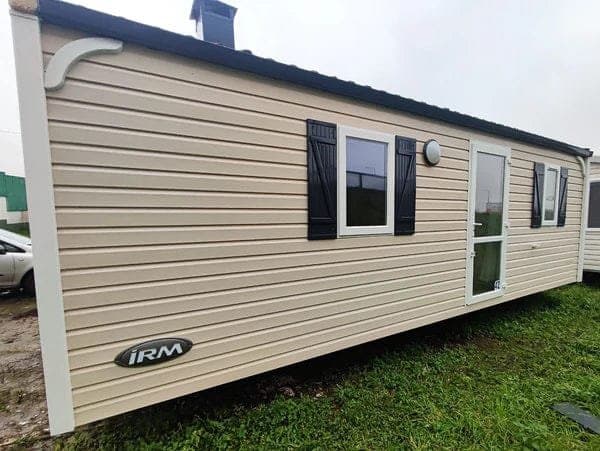
This habitable container is suitable for several uses. As a mobile home, it is an alternative to traditional constructions for temporary or permanent accommodation on a plot. It can serve as a main residence for a couple or small family, as extra accommodation for guests, or as a seasonal rental. As a site office, it provides a closed, insulated and equipped workspace, able to accommodate a supervision team or meetings. It can also be used as a technical room, site changing room, or temporary sales space.
French regulations govern the installation of this type of structure. For use as a dwelling, it is necessary to check local planning rules (building permit or prior declaration depending on surface area and installation duration). A habitable container is considered a construction and must comply with safety standards, particularly for electricity (NF C 15-100 standard) and connection to networks. For professional use, specific rules may apply depending on the activity. It is recommended to contact the town hall's planning department before any installation.
Regarding transport, a 12 m x 4 m x 3.5 m container exceeds the standard dimensions of a shipping container (maximum width of 2.44 m for an ISO container). Its transport therefore requires an exceptional convoy, with prior authorisations and a suitable route. The empty and loaded weight must be taken into account when choosing the truck and lifting crane. It is advisable to use a carrier specialising in exceptional convoys.
Maintenance of a habitable container is relatively simple. The exterior paint should be checked regularly to prevent corrosion, especially if the container is exposed to a marine or industrial environment. The seals of windows and doors must be checked periodically. Ventilation must be kept in good working order to avoid condensation and mould. The air conditioning system requires annual maintenance (filter cleaning). Moisture-resistant interior panels should be inspected in case of leaks or infiltration.
When buying a new habitable container, several points require attention. Check the quality and thickness of the insulation materials, as well as the compliance of electrical and sanitary installations. Ensure the container is delivered with a certificate of conformity or a declaration of good working order for the equipment. Ask for details on any warranty and delivery conditions. Finally, compare offers taking into account the living area, included equipment and total cost (transport, installation, connections).
This new Movemente T2 container is offered at €8,500. This price includes the equipment described: insulation, double glazing, reversible air conditioning, LED lighting, water and sewer system, mechanical ventilation. It probably does not include transport, on-site installation, or network connections, which must be budgeted separately. To obtain a precise quote and find out about available options, it is recommended to contact the seller directly.
In summary, the new Movemente T2 habitable container is a ready-to-use modular solution, offering a 48 m² insulated and equipped space, suitable for temporary or permanent housing and professional uses. Its shipping container design guarantees robustness and durability, while its complete interior fit-out allows quick installation. However, regulatory and logistical constraints should be checked before any purchase.
To go further, it is useful to place this model within the ecosystem of habitable containers and detail the practical aspects often overlooked. The Movemente T2 positions itself as a large-surface container, intermediate between small studio-type modules (often 15 to 20 m²) and multi-module sets of over 60 m². This 48 m² size roughly corresponds to the surface of a small one- or two-bedroom flat, which explains its relevance for independent housing or an office accommodating several workstations.
Compared with a standard 20-foot dry container (about 33 m³, 14 m² floor area), the Movemente T2 offers more than three times the living area. Compared with a 40-foot high cube container (about 76 m³, 30 m²), it remains significantly more spacious thanks to its extension in width and height. This volume difference radically changes the use: whereas a 20-foot container is more of a storage room or small office, 48 m² allows a real daily life with separate bedrooms, kitchen, bathroom and living area.
Compared with a reefer container, designed for transporting perishable goods and fitted with a refrigeration unit, the Movemente T2 is not intended to be refrigerated. It is a habitable container, whose insulation and reversible air conditioning are sized for human comfort, not for maintaining a cold chain. Similarly, it differs from an open top or flat rack, which are container types without a roof or side walls, used for out-of-gauge loads and not for housing.
Choosing a habitable container rather than a traditional construction has several advantages. Workshop construction allows more consistent quality control and generally shorter lead times than a masonry site. The metal structure is robust and can be moved later, subject to transport and planning rules. Finally, the container can be stacked or combined with other modules to expand the surface, a flexibility appreciated in evolving projects.
However, there are also limitations. The interior width of a standard container is about 2.35 m, which can make some rooms narrow if the layout is not optimised. The Movemente T2, with its 4 m external width, mitigates this constraint. In addition, the ceiling height of a standard container is often lower than that of a conventional home; the T2 model, with 3.5 m external height, probably offers a more comfortable interior height, especially if part of the height is used for ceiling insulation.
Energy-wise, the rock wool insulation of 10 cm in the walls and 15 cm in the floor and ceiling is superior to the minimum insulation often found in entry-level containers. This thickness helps limit heating and air conditioning needs. The integrated reversible air conditioning provides efficient backup, but its performance depends on the container's air tightness and the quality of installation. It is therefore advisable to check seals, duct passages and connections between modules.
For use as a mobile home, consider installation on stabilised ground and anchoring to the ground. Depending on the region, strong wind or frost risks may require additional precautions. Connection to drinking water and electricity must be carried out properly, with residual current devices and earthing. Wastewater disposal must comply with local standards, whether connected to the main sewer or a septic system.
For professional use, particularly as a site office, the container must be quickly installable and secure. The two bedrooms can serve as an individual office and a meeting room, while the central space hosts reception or workstations. The presence of a shower room and toilets is an asset for teams. However, it is necessary to check the compliance of the installation site and the rules for parking site installations.
In the events sector, this type of container can serve as temporary accommodation for technical teams, a changing room for artists, or a reception lounge for guests. Its 48 m² surface allows several distinct spaces without crowding. In tourism, it can become unusual accommodation or a high-standard rental, provided decoration and landscape integration are carefully done.
For emergency housing or temporary social housing, the habitable container offers a quick response, provided a serviced plot is available. The two bedrooms and sanitary facilities meet a family's basic needs. However, regulations impose health and safety standards that may require adaptations.
In terms of transport, the Movemente T2 container cannot be handled like a standard ISO container. Gantry spreaders and conventional forklifts are not suited to its non-standard dimensions. Lifting by mobile crane or high-capacity machinery must be planned, with slings adapted to the lifting points provided on the structure. The total weight (structure, insulation, equipment) must be known to size the crane and truck. An exceptional convoy of category 2 or 3 may be necessary depending on width and length, with traffic authorisations and possible escorts. The time to obtain these authorisations can vary by region and period.
Before purchase, it is recommended to request a detailed layout plan and technical data sheets for the equipment (air conditioning, ventilation, electrical panel). These documents allow verification of compatibility with the site and available networks. It is also prudent to visit a similar model or request photos of the finished interior, as 3D renderings may differ from reality. Finally, responsibilities for transport, unloading and commissioning must be clarified.
Routine maintenance can be planned on an annual basis. In spring, it is advisable to clean gutters and rainwater outlets, check window and door seals, and inspect the roof. Before winter, ensure the heating system works correctly, bleed any water circuits and check insulation of exposed pipes. Reversible air conditioning should be serviced by a professional, with filter cleaning and refrigerant check. Moisture-resistant interior panels should be examined in wet rooms; any trace of mould must be treated quickly.
The lifespan of a well-maintained habitable container can be long, as the Corten steel structure is designed to withstand marine environments. Insulation and interior equipment have a shorter lifespan and may need replacement after several years. Double glazing, for example, can lose performance if seals age. The mechanical ventilation system must be kept clean to avoid dust and allergen proliferation.
Regulatory-wise, installing a habitable container may be subject to height, appearance and setback rules. In some municipalities, containers are prohibited in urban or protected areas. It is therefore essential to check before any commitment. For use as a main residence, conformity certificates for electricity and sanitation may be required. For temporary use (less than three months), a prior declaration may suffice, but this depends on local regulations.
In conclusion, the new Movemente T2 habitable container represents a credible option for those seeking a modular, insulated and equipped living or working space of around 48 m². Its price of €8,500 places it in the segment of new large-surface habitable containers. Transport, installation and connections should be budgeted separately, and planning permissions checked. With regular maintenance and careful installation, it can offer a comfortable and durable setting, whether for a mobile home, site office or temporary accommodation.