Description
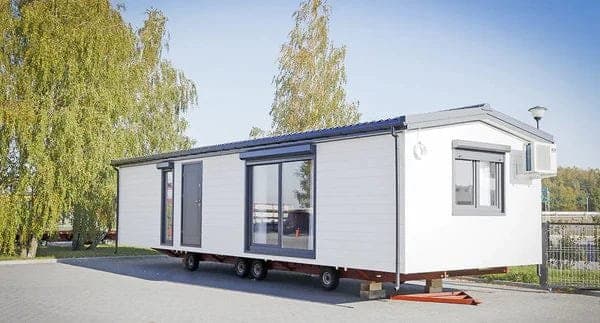
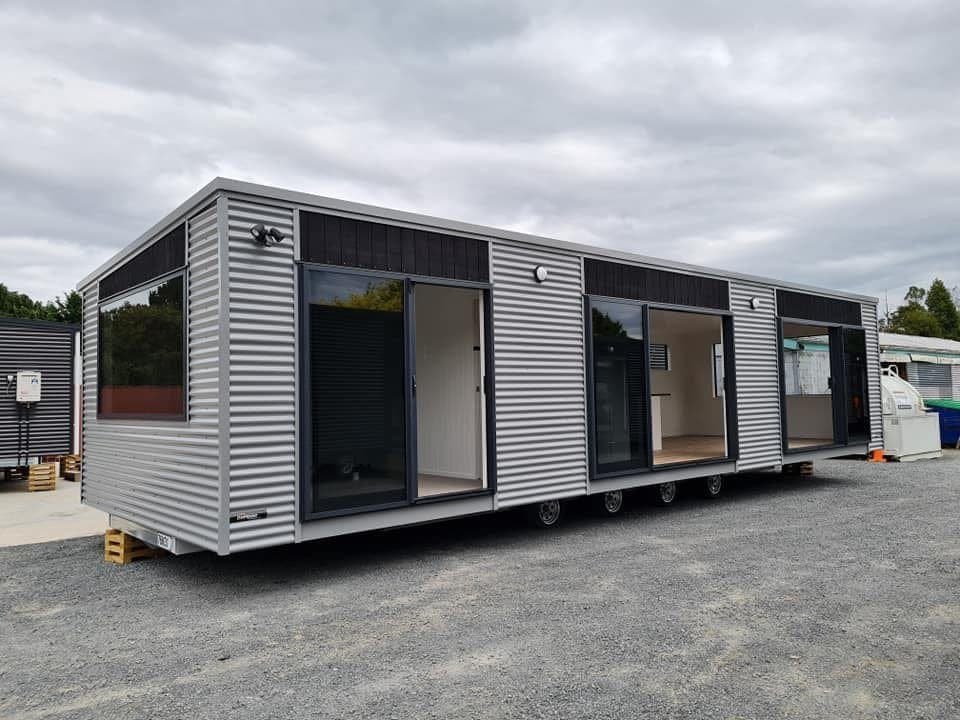
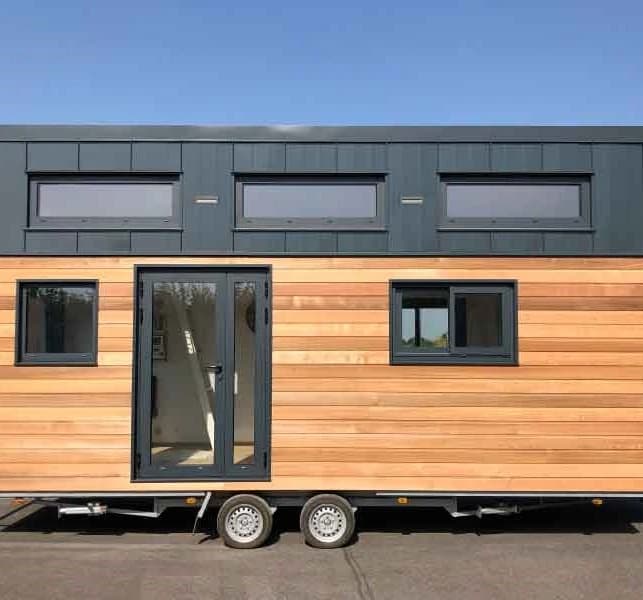
The FAMILLY PKL 3-bedroom mobile home is a 12-meter long by 4-meter wide housing module, providing 48 m² of living space. It stands out from standard shipping containers with its hybrid design combining a steel structure and a wood frame, offering better thermal insulation and interior finishes closer to those of a traditional home. This product is aimed at those seeking a modular housing solution that is quick to install and transportable, without sacrificing the comfort of a three-room layout.
The main structure is made of steel, ensuring good mechanical strength and a long service life, even outdoors. The wood frame complements the assembly to facilitate the integration of insulation and interior finishes. This combination results in a building that is both robust and comfortable, suitable for use in mainland France, subject to compliance with local urban planning regulations.
Insulation is a strong point of this mobile home. A 15 cm layer of mineral wool is present under the floor and in the attic, while the interior walls have a 10 cm layer of mineral wool. Waterproof insulation against moisture, vapor, and wind completes the system, protecting the home from infiltration and thermal loss. This design helps maintain a comfortable temperature in both summer and winter, while limiting heating needs.
The windows include double-glazed units with 6 panes, providing good natural light and enhanced acoustic and thermal insulation. The French doors are equipped with a movable post, making access and ventilation easier. Fans are installed to promote air circulation inside. Interior window sills are PVC, while exterior sills are sheet metal for better weather resistance. Door frames are adjustable, allowing openings to be adjusted if the structure shifts.
Inside, doors are wood panel, while exterior doors are steel with a thermal threshold and mineral wool filling, ensuring good insulation and a degree of security. Complete plumbing and sewage systems, electrical equipment, ventilation, and TV network (RTV) are included. Sockets and switches are distributed throughout the rooms. The floor is covered with durable PVC flooring, suitable for intensive use. Interior finishes are made with PVC panels and coverings, easy to maintain. Mechanical ventilation is installed in the bathroom and kitchen to remove moisture and odors.
The mobile home has fully LED interior and exterior lighting, with 6 to 10 exterior lighting points. RTV sockets with antenna cable are provided outside, allowing connection of an antenna or TV. The roof is metal slate, with PVC gutters for rainwater drainage. The lower part of the home is protected by galvanized steel, limiting the risk of corrosion and degradation from ground moisture.
This mobile home comes with a complete set of wheels and a tow bar, making it easier to move and install on a plot. It can be towed by a suitable vehicle, according to current traffic rules. Once on site, it can be installed permanently or semi-permanently, depending on planning permissions. It is important to note that installing a mobile home on a plot may be subject to specific rules (prior declaration, development permit, etc.) and it is recommended to check with the local town hall before any installation.
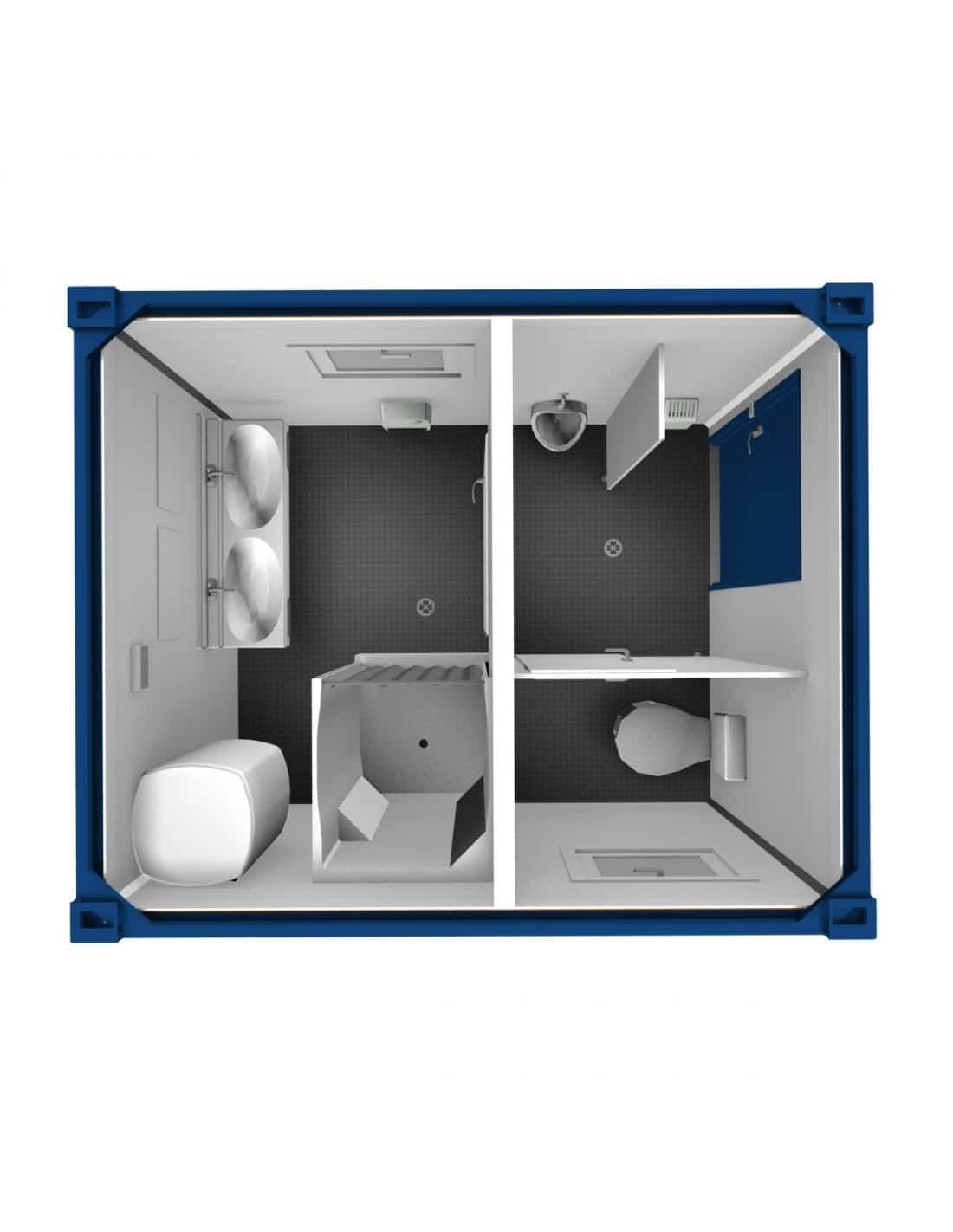
In terms of uses, this 3-bedroom mobile home can serve as a second home, temporary housing for a construction site, fitted-out site office, emergency housing, or tourist rental. Its 48 m² area allows for three main rooms (a living room, two bedrooms) plus a bathroom and WC, depending on the chosen layout. It can also be used as living space for a couple or small family, seasonally or permanently if permits are obtained.
Routine maintenance involves regularly checking the condition of the roof and gutters, cleaning the facades, and checking insulation and sealing. Window and door seals should be inspected periodically to prevent infiltration. The mechanical ventilation system should be cleaned or replaced according to the manufacturer's recommendations. If not used for extended periods, it is advisable to ventilate the mobile home and check water pipes to prevent freezing.
Points to watch when buying: it is essential to verify the mobile home's compliance with current construction and safety standards, particularly regarding electrical and gas installations. The presence of a complete set of wheels and a tow bar is an asset for transport, but you must ensure the towing vehicle is suitable for the weight of the assembly. The exact weight of the mobile home is not provided in the specifications, so it is recommended to ask the seller to organize transport and installation. In addition, installation on a plot must comply with local planning rules, and prior authorization may be required.
Finally, this mobile home stands out from converted shipping containers through its specific design and level of finish. It offers an interesting alternative for those who want a ready-to-use modular home, without the constraints of heavy conversion of a container. Its price of €12,750 makes it accessible for a temporary housing or second home project, with a good level of equipment and insulation.
To complete this presentation, it is useful to discuss seasonal maintenance and good maintenance practices in more detail. A mobile home like this, although robust, requires regular monitoring to maintain its performance over time. In spring, it is recommended to thoroughly clean the facades and roof, using mild products to avoid damaging the coverings. Gutters should be cleared of leaves and debris to prevent overflow. Window and French door seals should be checked and replaced if necessary, as they ensure air and water tightness. The mechanical ventilation in the bathroom and kitchen should be cleaned to ensure good air renewal and prevent condensation. In autumn, it is advisable to drain the water pipes if the mobile home is not heated in winter, to avoid freezing risks. The wheels and tow bar used for transport should be maintained and greased before each move. Finally, a visual check of the steel structure and wood frame helps detect any signs of corrosion or moisture, which should be treated quickly.
Regarding transport regulations in France, the FAMILLY PKL 3-bedroom mobile home is designed to be towed on the road. It is important to comply with the Highway Code rules for trailers and towing vehicles. The vehicle's gross combination weight rating (GCWR) must be compatible with the weight of the mobile home and its trailer. In general, a B licence is sufficient to tow a trailer with a gross vehicle weight rating (GVWR) not exceeding 750 kg, but beyond that, a BE licence or specific training may be required. Once hitched, the mobile home must not exceed the maximum dimensions allowed for an exceptional convoy without prior authorization. The width of 4 meters exceeds the maximum width allowed for a standard vehicle (2.55 m), meaning that transport on open roads likely requires an exceptional convoy permit and suitable escort. It is therefore essential to check with the competent authorities (DREAL, prefecture) before any movement. In addition, the mobile home must be properly marked (signs, flashing lights) and insured for transport. Once installed, it may be subject to local taxes (council tax, property tax) depending on its use and how long it is sited.
Sector-specific use cases are varied. In the construction sector, this mobile home can serve as a site base for construction teams, offering a rest, meeting, and dining area. In tourism, it can be used as seasonal rental accommodation in a campsite or estate, offering superior comfort to a tent or standard mobile home. For individuals, it can be an affordable second home, student housing, or living space for relatives. In the social sector, it can meet emergency or transitional housing needs. Finally, it can be fitted out as an office, light workshop, or commercial premises, subject to local permissions.
Compared to other sizes and types of mobile homes, the FAMILLY PKL 3-bedroom positions itself as a mid-range model. Smaller models, such as 2- or 3-bedroom 2-room units, offer 20 to 30 m² and are easier to transport, but less spacious. Larger models, such as 4- or 5-room units, often exceed 60 m² and require heavier transport means. In terms of types, there are wood-framed mobile homes, which are lighter but less durable, and steel-framed mobile homes, which are more robust but heavier. The FAMILLY PKL 3-bedroom combines both, giving it a good compromise. Compared to a converted shipping container, the mobile home offers superior insulation and a ready-to-use finish, but it is less resistant to impacts and more sensitive to moisture if not maintained. The container, meanwhile, is stackable and can be moved more easily, but requires interior fitting work. The choice will therefore depend on the project, budget, and site constraints.
In summary, the FAMILLY PKL 3-bedroom mobile home is a complete modular housing solution, combining comfort, insulation, and ease of transport. It suits many uses, provided local regulations are respected and regular maintenance is planned.
To further explore transport and installation, the key steps should be detailed. Before any movement, it is necessary to check the total weight of the mobile home, as this determines the type of towing vehicle and required permits. Although the weight is not stated in the provided specifications, a 48 m² mobile home with a steel and wood structure generally weighs several tonnes. It is therefore imperative to consult the seller for this information. Transport should be entrusted to a professional equipped with a suitable truck and flatbed trailer, or an agricultural tractor for short distances. The width of 4 meters means the convoy is oversize and must be marked. In France, the movement of an exceptional convoy is subject to prior authorization from the DREAL, with time restrictions and imposed routes. It is also recommended to provide an escort if the width exceeds 4 meters or if the convoy is very long. Once on site, installation must be carried out on a stable, level platform, preferably concrete or compacted gravel, to avoid settling. The mobile home must be chocked and stabilized, and the wheels can be removed or left in place depending on the configuration. Connections to utilities (water, electricity, drainage) must be carried out by qualified professionals, in compliance with current standards (NF C 15-100 for electricity, for example).
For use as tourist accommodation, it is important to comply with the regulations on furnished tourist rentals, which require a declaration at the town hall and compliance with safety standards (smoke detectors, fire extinguishers, etc.). For professional use, such as a site office, the mobile home must meet the requirements of the Labour Code regarding hygiene and safety (ventilation, lighting, sanitary facilities). Finally, for permanent installation, a building permit may be required if the mobile home is considered a fixed construction. It is therefore strongly advisable to contact the local planning department before any project.
Long-term maintenance also involves protection against pests (rodents, insects) that can settle in insulation or ducts. An annual check of technical ducts and seals is recommended. The metal slate roof should be inspected after each storm to check that no tiles have blown off. Gutters should be cleaned at least twice a year. PVC flooring can be cleaned with common household products, but abrasives should be avoided. Double-glazed windows should be cleaned carefully to avoid scratching the glass. Finally, it is advisable to keep a maintenance log to track work and anticipate replacements.
In conclusion, the FAMILLY PKL 3-bedroom mobile home is a versatile product suitable for many projects. Its price of €12,750 positions it as an economical alternative to traditional construction. However, its purchase should be accompanied by consideration of transport, installation, and maintenance, which represent additional costs. By following these steps, it offers a comfortable and durable living environment, whether for personal or professional use.