Description
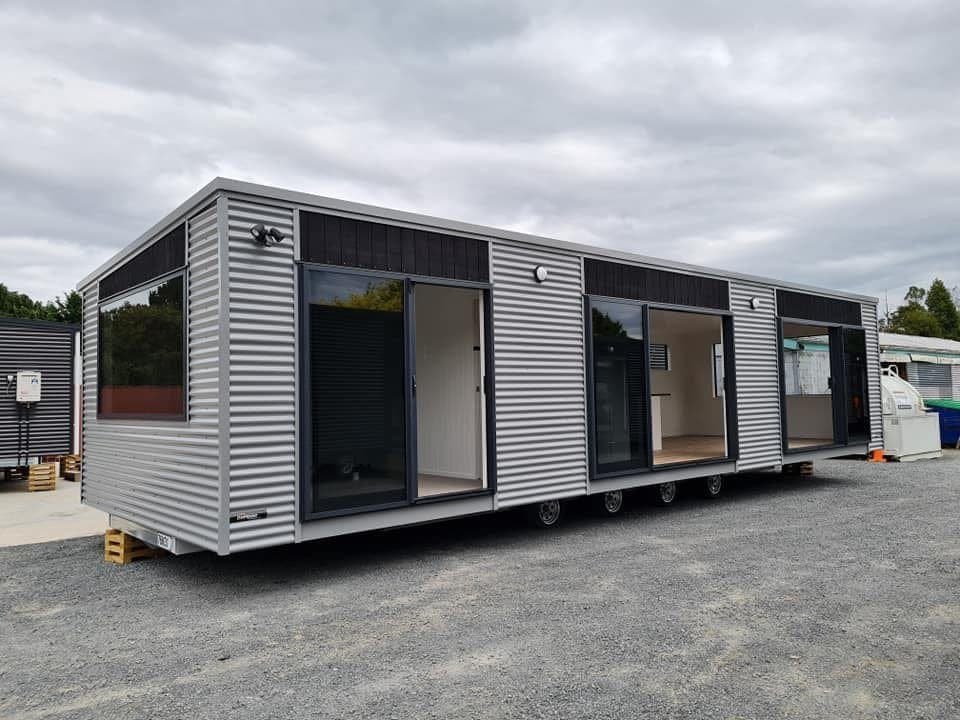
The MOBILE HOME Swift Bordeaux is a large residential mobile home designed to offer a functional and comfortable living space. With its 12.2 metres in length and 3.7 metres in width, it provides a living area of around 45 square metres, organised around three bedrooms, a lounge open to the dining area and kitchen, and a private bathroom integrated into the master bedroom. This model stands out for its central heating and double-glazed windows, two features that significantly improve comfort in mid-season and winter. In the landscape of modular housing solutions, this mobile home positions itself as an alternative to converted shipping containers, with a more generous surface area and interior finishes close to those of a traditional home. It is suitable for both private individuals and professionals looking for accommodation that can be set up quickly, without heavy construction work. However, its installation and transport are subject to specific rules that should be known before any purchase.
To begin with, it is useful to recall what a residential mobile home is and how it differs from other forms of light housing. A mobile home is a transportable construction intended for habitation, which retains means of mobility or can be moved by exceptional convoy. The Swift Bordeaux model belongs to the category of residential mobile homes, often called "leisure mobile homes" when installed on campsites, or "mobile residences" when used as a primary or secondary home. Unlike a shipping container, which was originally a Corten steel box designed for transporting goods, a mobile home is designed from the outset for habitation: lightweight structure, insulation, joinery, integrated services. This difference in origin translates into advantages and disadvantages that must be weighed according to the intended use. The mobile home offers immediate interior comfort and an optimised living area, while the converted container appeals for its robustness and modularity. The Swift Bordeaux, with its approximately 45 square metres, sits in the upper range of surfaces offered by three-bedroom mobile homes.
Let us now look at the technical characteristics and equipment. The structure of the mobile home generally rests on a galvanised metal chassis, which ensures the rigidity of the whole and allows lifting or skidding during transport operations. The walls are made of sandwich panels with an insulating core, often expanded polystyrene or mineral wool, sandwiched between two facings. The roof, slightly curved or gently sloping, is covered with a waterproof membrane (PVC or bituminous) that ensures rainwater drainage. The external joinery is PVC or aluminium, with double glazing for this model. Double glazing provides appreciable thermal and acoustic insulation, especially if the mobile home is installed near a road or a noisy area. Central heating, generally powered by a gas boiler or electric convectors, distributes heat evenly throughout the different rooms, which avoids temperature differences between the living room and the bedrooms. The private bathroom of the master bedroom classically includes a shower, a washbasin and a toilet, while a second shower room or separate toilet can serve the other occupants. The kitchen is equipped with a worktop, a sink, hob and space for a fridge and oven. The interior layout favours open spaces and natural light thanks to large picture windows.
The question of transport deserves particular attention, as it determines the feasibility of the project. A mobile home 12.2 metres long and 3.7 metres wide exceeds the regulatory width limits authorised for a standard vehicle (2.55 metres). Its movement on public roads therefore requires an exceptional convoy, with prior authorisation issued by the prefecture. This authorisation specifies the route to be taken, any time restrictions and escort measures (pilot vehicles, signage). The cost of transport depends on the distance, the dimensions, the authorisations and escort costs. It is strongly recommended to entrust this operation to a carrier specialising in exceptional convoys and mobile homes, as the risk of damage to the structure or equipment is real in the event of inappropriate handling. The mobile home must be properly chocked and strapped to the platform, and fragile elements (windows, awning, terraces) must be removed or protected. On arrival, unloading requires suitable lifting equipment (mobile crane, high-capacity forklift) and sufficiently clear ground for manoeuvring.
Installation on the plot then raises questions of planning permission and connection to services. In France, the siting of a mobile home is governed by the Town Planning Code. Depending on the case, a prior declaration of works or a building permit may be required, particularly if the mobile home is installed for more than three months per year on the same plot. Rules vary from one municipality to another: some areas allow leisure mobile residences, others restrict them to campsites or residential leisure parks. It is essential to enquire at the town planning department of the relevant town hall before any purchase, in order to verify the buildability of the plot, the rules on height, siting and appearance, as well as any easements. Connection to drinking water, electricity and sanitation must be carried out in accordance with good practice. For electricity, the installation must comply with standard NF C 15-100 for residential premises, with a protection board, residual current circuit breakers and effective earthing. For sanitation, if the plot is not connected to the public network, a septic tank or a non-collective sanitation system compliant with regulations is necessary. Gas, if used for cooking or heating, must be installed and maintained by a qualified professional, with compliant pipes and fittings and sufficient ventilation.
Routine and seasonal maintenance is the key to the durability of this type of construction. A mobile home is exposed to bad weather, humidity and temperature variations. It is therefore advisable to establish a rigorous maintenance plan, with at least two visits per year, in spring and autumn. The roof should be inspected regularly: looking for cracks, blisters or detachment of the waterproof membrane, checking flashings and penetrations (chimney, ventilation). Gutters and downpipes must be cleared of leaves and debris to avoid overflows and infiltration. Seals around windows, doors and roof equipment must be checked and replaced as soon as they show signs of wear. Double-glazed joinery is durable, but its seals can harden and shrink over time; an annual check helps prevent air and water ingress. Central heating must be maintained by a qualified professional, ideally once a year before the cold season: checking the boiler, bleeding radiators, checking pressures and looking for leaks. Plumbing deserves particular attention: leaks under sinks, around toilets and showers, worn seals. During frost, if the mobile home is unoccupied, it is prudent to drain the pipes or maintain minimal heating to prevent pipes from bursting. The electrical installation should be tested periodically: operation of residual current circuit breakers, condition of sockets and visible cables, absence of overload. Outside, regular cleaning of the walls with a gentle water jet and a neutral detergent removes dirt and moss; pressure washers should be avoided as they can damage seals and coatings. Terraces and stairs should be inspected (fixings, handrails, boards). Finally, regular ventilation, especially in winter, limits condensation; a dehumidifier can be useful in damp rooms.
The use cases for this mobile home are varied. For a private individual, it can serve as a second home on family land, as temporary accommodation for a dependent relative, or as a rural gîte to rent out. Its three-bedroom capacity and private bathroom make it accommodation suitable for families or groups. In the outdoor hospitality sector, campsites are looking for this type of model to increase their capacity without building permanent structures; the comfort offered (central heating, double glazing) allows operation over an extended season. For construction professionals, the mobile home can serve as a living base for teams on remote sites, with the advantage of being able to be moved from one site to another, even if transport remains heavy. Farms can house seasonal workers or trainees in it. Local authorities and associations find in it an emergency accommodation solution after a natural disaster, or a temporary reception facility. Finally, event organisers, festivals and holiday camps can use it as quick and comfortable accommodation. In all cases, the costs of installation, connection and maintenance, as well as local regulatory constraints, should be assessed.
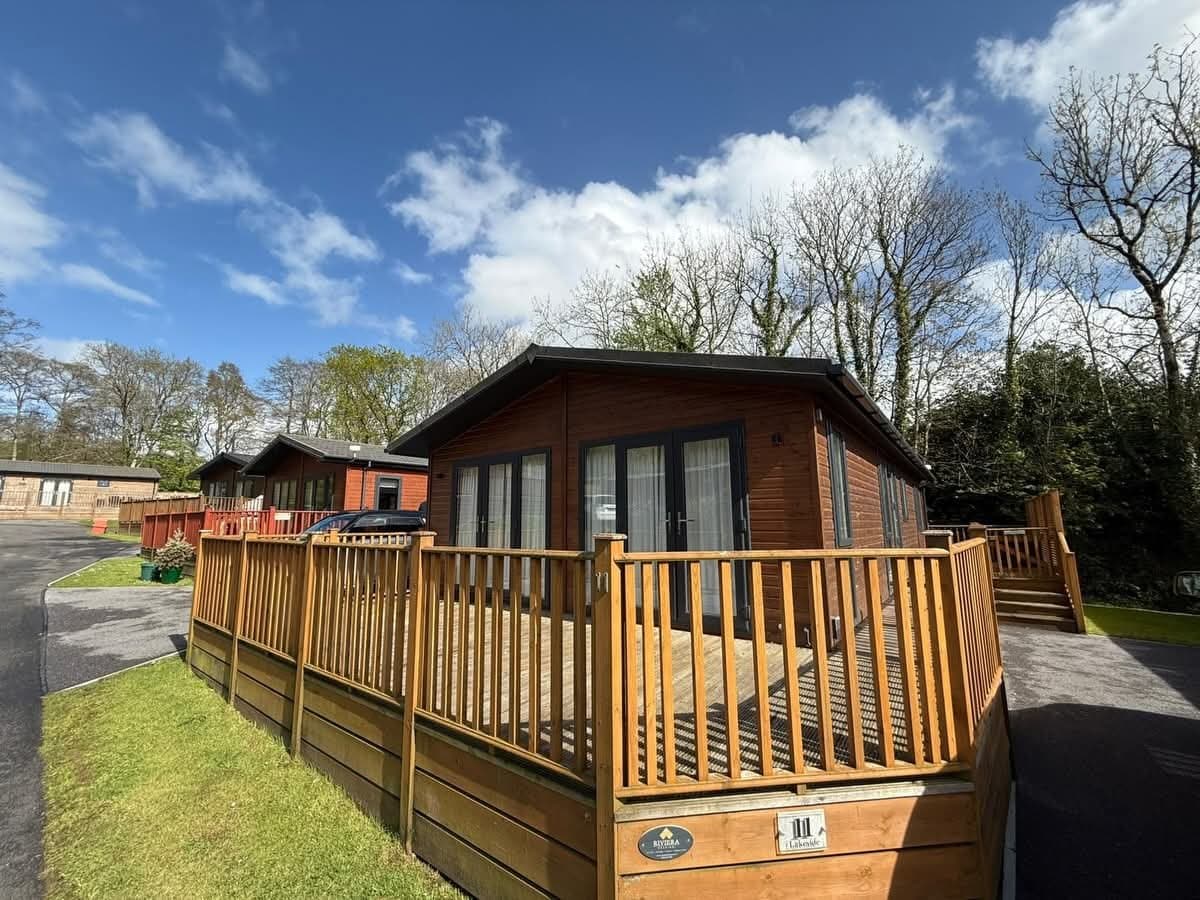
Let us now compare this model with other modular housing solutions, particularly converted shipping containers. A standard 40-foot shipping container offers around 30 square metres of usable space, less than the Swift Bordeaux, and its interior fit-out requires specific works (partitioning, insulation, electricity, plumbing). Containers are renowned for their robustness and weather resistance thanks to Corten steel, but they are heavier and require solid foundations. Their transport is also subject to strict rules, and their modularity allows complex assemblies (stacking, juxtaposition) that a mobile home cannot. In terms of cost, a converted container can represent a higher investment depending on the level of finish, while the Swift Bordeaux mobile home at €16,000 has a competitive price for a larger living area and complete equipment. The lifespan of a mobile home is generally shorter than that of a steel container, but it remains satisfactory if maintenance is followed. The mobile home is lighter and can be moved more easily, but it is less suited to projects requiring great modularity or exceptional structural resistance. Finally, there are chalet-type mobile homes, with sloping roofs and wooden facades, which offer a more traditional appearance but are often heavier and more expensive.
In energy and thermal terms, double glazing and central heating improve comfort, but a mobile home remains a light construction. Insulation of the floor and walls can be reinforced by adding thermal curtains, carpets and careful draught-proofing of openings. In summer, cross-ventilation and possibly a portable air conditioner may be enough to maintain a pleasant temperature. Energy consumption will depend on the heating method and actual insulation; regular boiler maintenance and annual radiator bleeding help avoid excessive consumption. If the mobile home is connected to the electricity grid, it is advisable to check the meter capacity and the cross-section of the supply cables, as the equipment (heating, water heater, household appliances) may require significant power. For off-grid use, some owners opt for solar panels or a generator, but these solutions must be sized by a professional. In terms of safety, installing smoke and carbon monoxide detectors is strongly recommended, especially if a combustion appliance is used.
Finally, before purchase, a few points of vigilance are essential. Check the general condition of the mobile home: presence of traces of damp or mould, particularly in corners, under windows and around sanitary equipment. Check that the equipment works properly (heating, water heater, hob, fridge) and that the electrical and gas installations comply. Inspect the roof and seals, as well as the condition of the chassis. If possible, ask for the maintenance history and invoices for work carried out. Find out about the age of the model and whether any elements may need replacing. Finally, take into account additional costs: transport, permits, installation, connections, insurance. Specific insurance for a second home or temporary accommodation is recommended. If the mobile home is intended for seasonal rental, specific rules apply (declaration at the town hall, tourist classification). In summary, the MOBILE HOME Swift Bordeaux is a versatile modular housing solution that combines space, comfort and an affordable price. Careful preparation of the project (plot, permits, transport, connections) and regular maintenance will allow you to enjoy it for a long time.