Description
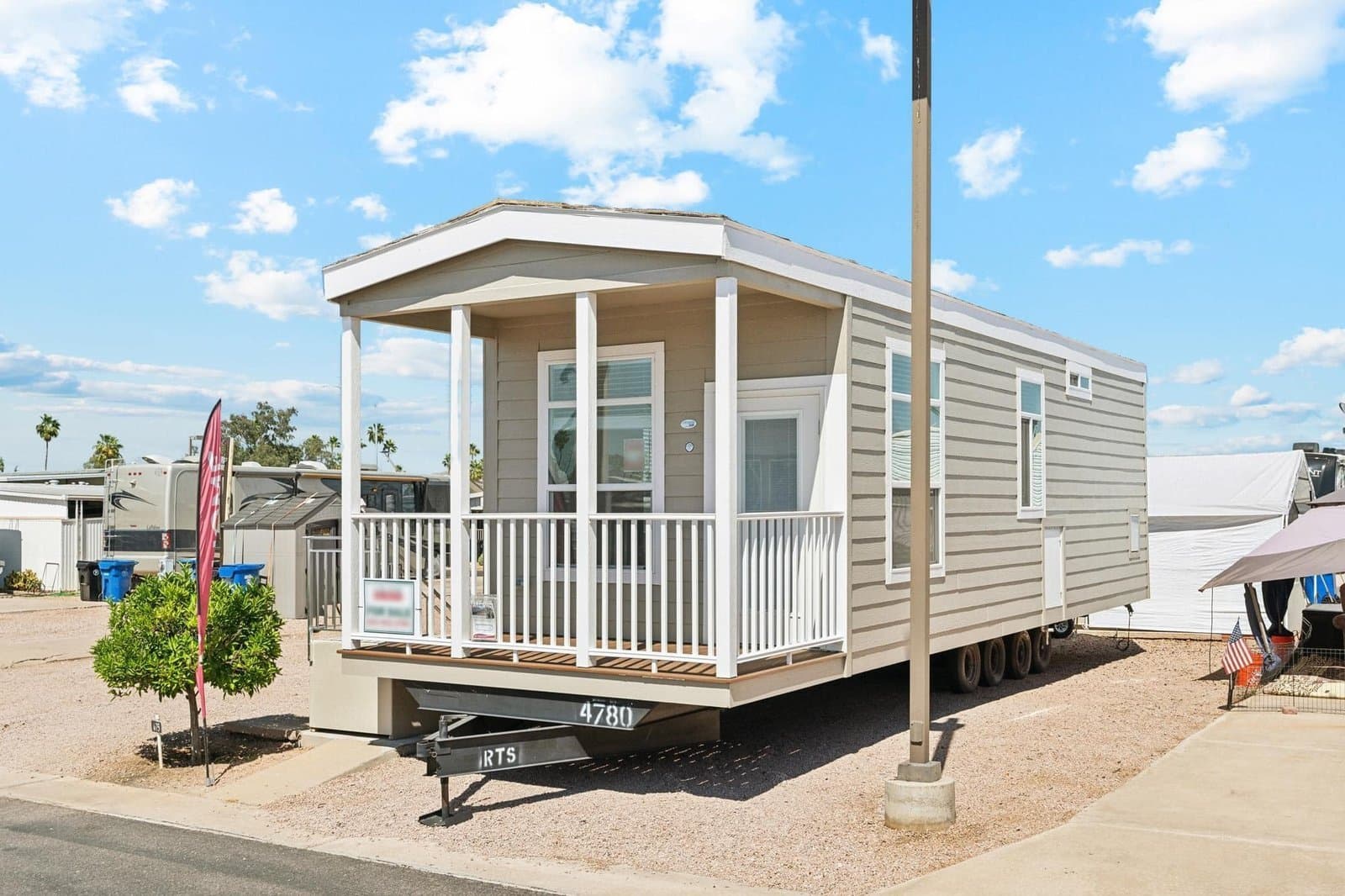
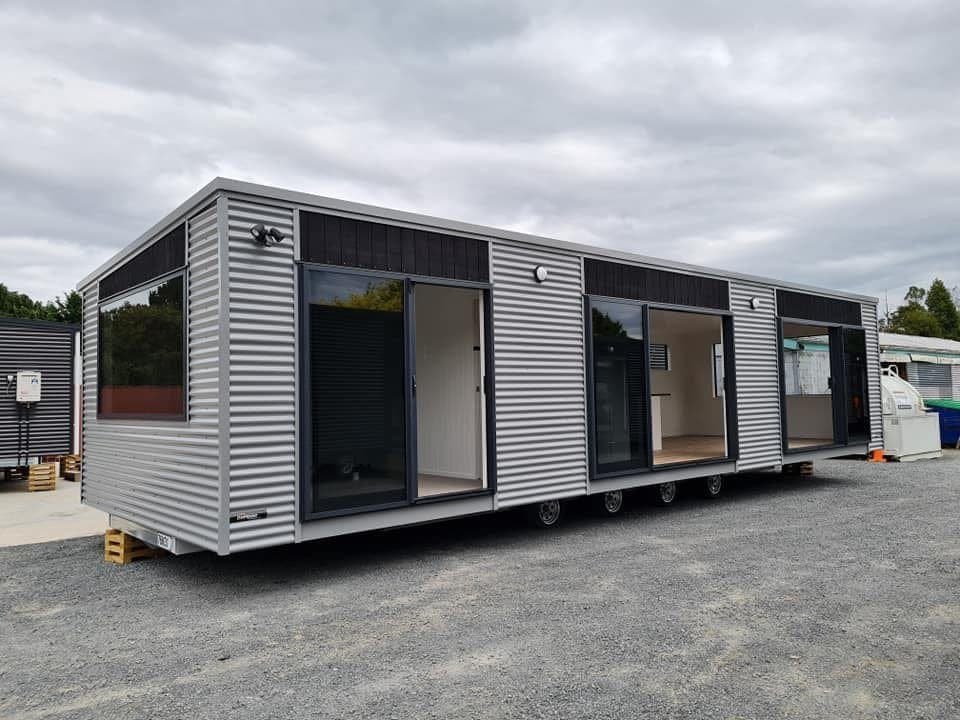
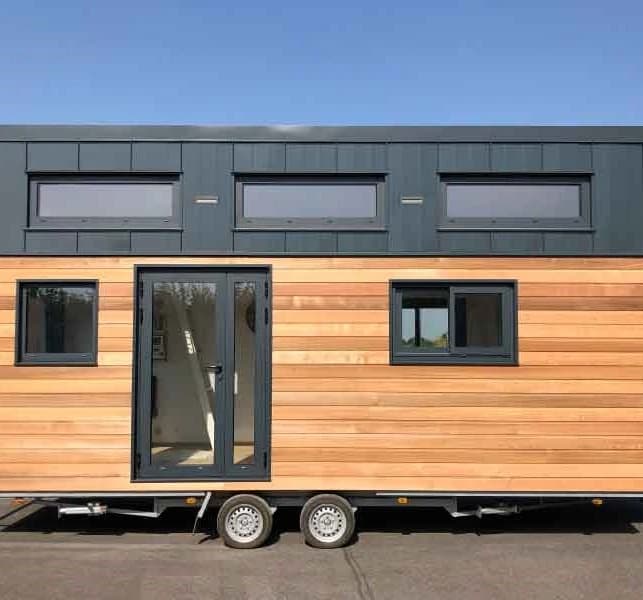
The New T2 Mobile Home is a lightweight and functional housing solution, designed to offer immediate comfort. With a surface area of 19.2 m², it consists of two bedrooms and a bathroom, and stands out for its careful construction and quality equipment. Whether you are looking for a temporary home, a second residence, or an installation on a plot of land, this new mobile home meets many needs.
Its structure is based on 8-meter side walls and 2×6-meter exterior walls, with a central width of 3.2 meters and a length of 6 meters. The frame is completed by a full exterior OSB (oriented strand board) covering, a material recognized for its strength and stability. The 2×6.16-meter paving joists ensure floor rigidity. The roof is protected by fiberglass asphalt shingles, offering durable waterproofing and good weather resistance.
Thermal insulation is a strong point of this model. It benefits from an R-11, R-19 and R-38 classification, corresponding to thermal resistance values for walls, floor and roof. This multilayer insulation, combined with the "Zone 3 Northern Insulation", helps maintain a pleasant indoor temperature in summer and winter, reducing heating and cooling needs. Thermoplane windows, equipped with double glazing, reinforce this performance by limiting heat loss and ensuring good sound insulation.
Safety and comfort are also taken into account. The mobile home is equipped with smoke detectors, a 200-amp electrical service, exterior electrical outlets and durable PX water supply lines. Plumbing includes water supply to the vanities and a porcelain sink. The solid front door is complemented by a storm door for additional protection. All windows are fitted with a Valance blind, meaning integrated shutters or blinds, ensuring privacy and sun protection.
This mobile home is offered new, with installation and air conditioning included. It is ready to use, whether for permanent or seasonal living. Its gray color blends with many environments.
In terms of use, this type of modular construction can be installed on private land, in a campground, a residential leisure park, or as a home extension. Its lightweight design facilitates transport and setup, although planning permissions may be required depending on the location. It is recommended to check local regulations before any installation.
For maintenance, regular checking of roof and window waterproofing is advised, as well as periodic cleaning of gutters and exterior surfaces. OSB panels, although resistant, must be protected from water infiltration to avoid swelling. A water-repellent treatment can extend their lifespan.
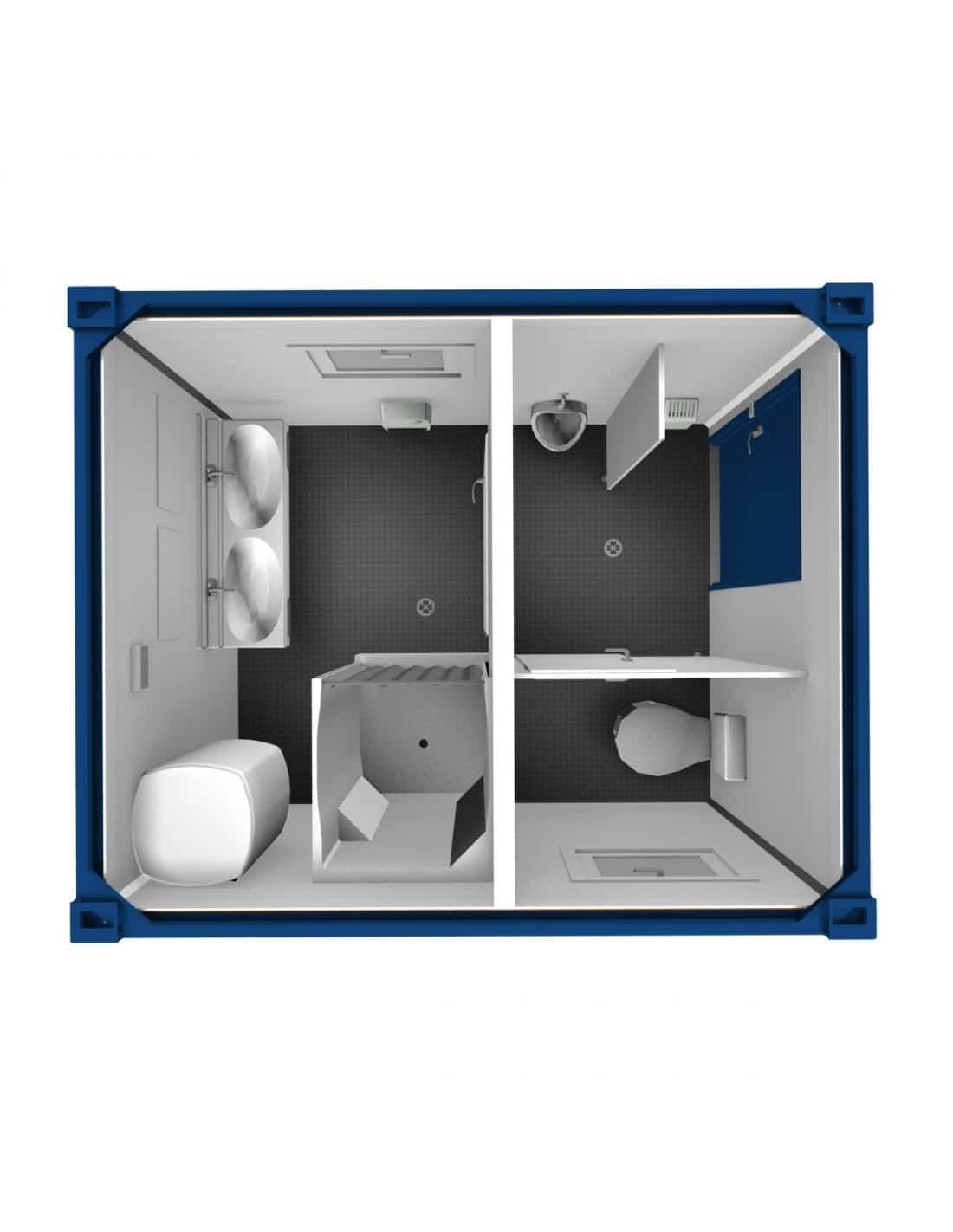
Compared to a fitted shipping container, this mobile home offers a more traditional finish and often superior insulation, but it is less robust against extreme weather. It is therefore important to consider the installation environment. For use in windy areas or by the sea, additional fastenings may be necessary.
In summary, the New T2 Mobile Home is a relevant option for those seeking a functional, well-insulated and equipped living space, without the constraints of traditional construction. Its competitive price and immediate availability make it an attractive solution for many projects.
Let us now look deeper into the practical aspects of routine and seasonal maintenance. A new mobile home, like any construction, requires regular monitoring to preserve its performance and appearance. Let's start with the exterior envelope: the OSB covering is generally protected by siding or a finish, but it remains sensitive to moisture. It is therefore advisable to inspect joints, roof edges and window frames once or twice a year. Any crack or chip in the covering should be filled quickly with suitable sealant. The fiberglass asphalt shingle roof requires little maintenance, but you should check that no shingle is lifting or detaching, especially after strong winds. Cleaning gutters, if present, prevents the accumulation of leaves and stagnant water that could damage the edges. For Thermoplane windows, standard cleaning with mild soap and clear water is enough; avoid abrasive products that could scratch the double glazing or frames. Integrated shutters (Valance blind) should be handled gently and lubricated if necessary.
Inside, maintenance is similar to that of a conventional home. Floors, likely covered with linoleum or carpet depending on the finish, are cleaned with mild products. PX (cross-linked polyethylene) plumbing is resistant to freezing and corrosion, but it is prudent to drain the water lines if the mobile home remains unoccupied in winter, especially in cold regions. The included air conditioning must be maintained: clean or replace filters at least once a year, and check that condensate drains properly. The 200-amp electrical system is generous and can power several appliances simultaneously, but a professional inspection every two to three years is recommended to ensure there is no overheating or loose connections. Smoke detectors should be tested monthly and their batteries replaced at least once a year.
Let's move on to regulations and transport. In France, a mobile home is considered a mobile leisure residence (RML) if it retains mobility means and is not permanently fixed to the ground. Its overall width must not exceed 4 meters to travel on public roads without an exceptional convoy. This model, with a width of 3.2 meters, falls into this category. To transport it, a flatbed truck or an exceptional convoy is generally required if the dimensions exceed standard limits (2.55 m wide for a single vehicle). Here, the 3.2 m width requires exceptional transport, with prior authorization and regulatory signage. The empty weight is not provided, but a mobile home of this size often weighs between 2 and 3 tons. It is therefore important to check the capacity of the towing vehicle and provide suitable straps and chocks. Once on site, installation must be carried out on a stable surface, preferably a concrete slab or stabilized blocks. Connection to utilities (water, electricity, sanitation) must comply with current standards and may require a professional. For installation in a campground or residential leisure park, the manager often imposes their own rules (dimensions, locations, fees). Outside these structures, planning permission may be required if the mobile home is considered a fixed construction. It is therefore essential to inquire at the town hall before any installation.
Let us now address sector-specific use cases. This 19.2 m² T2 mobile home is suitable for several professional or private contexts. In the construction sector, it can serve as a site office or living base for a small team, providing a rest area and a water point. For farmers, it can house seasonal workers or serve as a technical room. In tourism, it can be rented as unusual or additional accommodation on a campground. For individuals, it represents an economical solution for student housing, a second residence, or a home extension for a dependent relative. Local authorities can use it as a temporary community room or for emergency housing. Its lightweight design and rapid implementation are assets for temporary projects or seasonal needs. However, for permanent use in a dense urban area, compatibility with the local urban plan must be checked.
Let us now compare this model to other sizes and types of mobile homes. The 19.2 m² T2 is in the entry-level range of living areas. A 30 m² T3 will offer an additional bedroom and a more spacious living room, but will require a larger plot and a higher budget. A simple 10 m² model (studio) will be cheaper but only suitable for one person. In terms of insulation, this T2 has R-11, R-19, R-38 values, which is correct for residential use, but high-end mobile homes can reach R-15, R-22, R-40. The difference will be felt on the energy bill. In terms of equipment, this model includes air conditioning and a 200 A electrical service, which is a good level. Some competitors offer more luxurious finishes (granite countertops, for example) but at a higher price. Finally, compared to a fitted shipping container, the mobile home is lighter, easier to transport and install, but it is less secure against theft and less resistant to impacts. The container, made of Corten steel, withstands hostile environments better and can be stacked, but it is heavier and requires specific lifting equipment. The choice will therefore depend on the priority: mobility and comfort for the mobile home, security and durability for the container.
In conclusion, this New T2 Mobile Home is a versatile product, suitable for many projects. Its price of €11,000 positions it as an affordable alternative to traditional construction. Before purchase, it is advisable to check the exact dimensions, included equipment, and installation conditions. Do not hesitate to ask for details on weight, energy consumption and any warranties. Such an investment deserves careful analysis of your needs and local constraints.
Let us add some details on foundations and anchoring, an often overlooked point. A 19.2 m² mobile home, even lightweight, must be properly stabilized to withstand winds and ground movement. Concrete blocks or foundation screws are commonly used. In wind-exposed areas, anchor straps connected to stakes or concrete weights are recommended. For permanent installation, a poured concrete slab offers the best stability and facilitates connection to utilities. It is also possible to use adjustable concrete or recycled plastic blocks, which are faster to install and less expensive. In all cases, the ground must be leveled and compacted. A geotextile can be placed under the mobile home to limit weed growth and rising moisture. Also consider leaving a ventilated space under the floor to avoid condensation.
Regarding energy performance, this mobile home is equipped with R-11, R-19, R-38 insulation and Thermoplane windows. This means that the walls have a thermal resistance of R-11 (about 1.94 m²·K/W), the floor R-19 (3.35 m²·K/W) and the roof R-38 (6.69 m²·K/W). These values are expressed in imperial units (square feet·°F·h/Btu), commonly used in the mobile home industry. For use in France, it may be useful to convert: R-11 corresponds to about 1.94 m²·K/W, R-19 to 3.35 m²·K/W and R-38 to 6.69 m²·K/W. These performances are correct for residential use, but in very cold regions, additional insulation may be considered. The included air conditioning allows cooling the air in summer, but its consumption will depend on the surface area and exposure. Regular maintenance of the system is essential to maintain its efficiency.
Regarding fire safety, the mobile home is equipped with smoke detectors, but it is also recommended to install a fire extinguisher and a carbon monoxide detector if a combustion heating appliance is used. Construction materials (OSB, asphalt shingles) are not necessarily fireproof, so safety distances from heat sources must be respected. Emergency exits must remain clear. In France, mobile homes installed in campgrounds are subject to specific fire safety regulations, with requirements for smoke extraction and distance between units. For private installation, it is prudent to inquire with the departmental fire and rescue service (SDIS).
Finally, let us address the question of warranty and after-sales service. Although we cannot confirm the specific warranties offered by the manufacturer, it is common for new mobile homes to benefit from a warranty on the structure and equipment. It is advisable to request in writing the warranty conditions, duration, and implementation procedures. A maintenance log may be provided. For installation, using a qualified professional is often required to validate the warranty. Do not hesitate to ask for references from customers who have purchased the same model, to get an idea of the quality and service. In summary, this new T2 mobile home is an interesting option for affordable and functional housing, provided that its installation is well prepared and regular maintenance is ensured.