Description
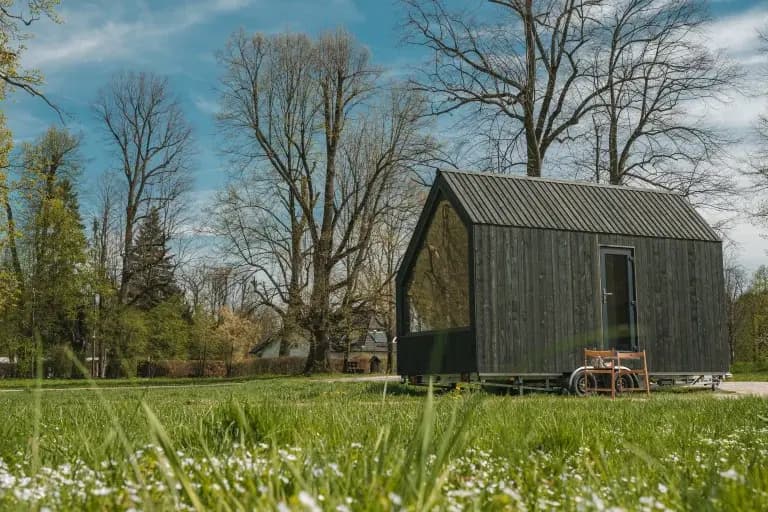
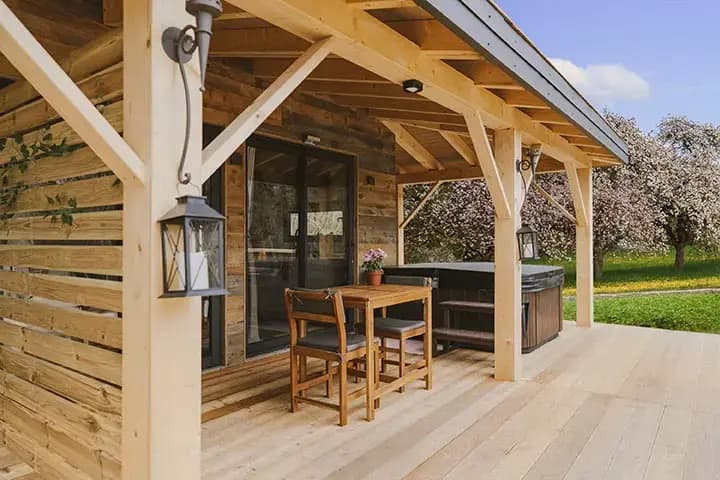
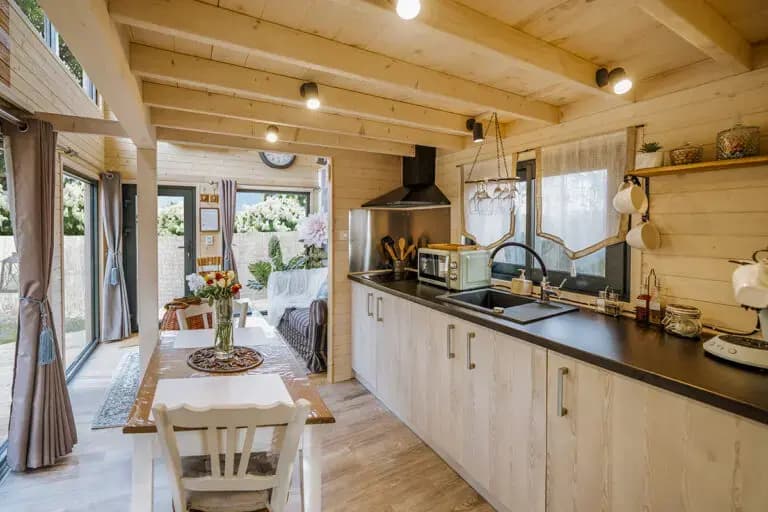
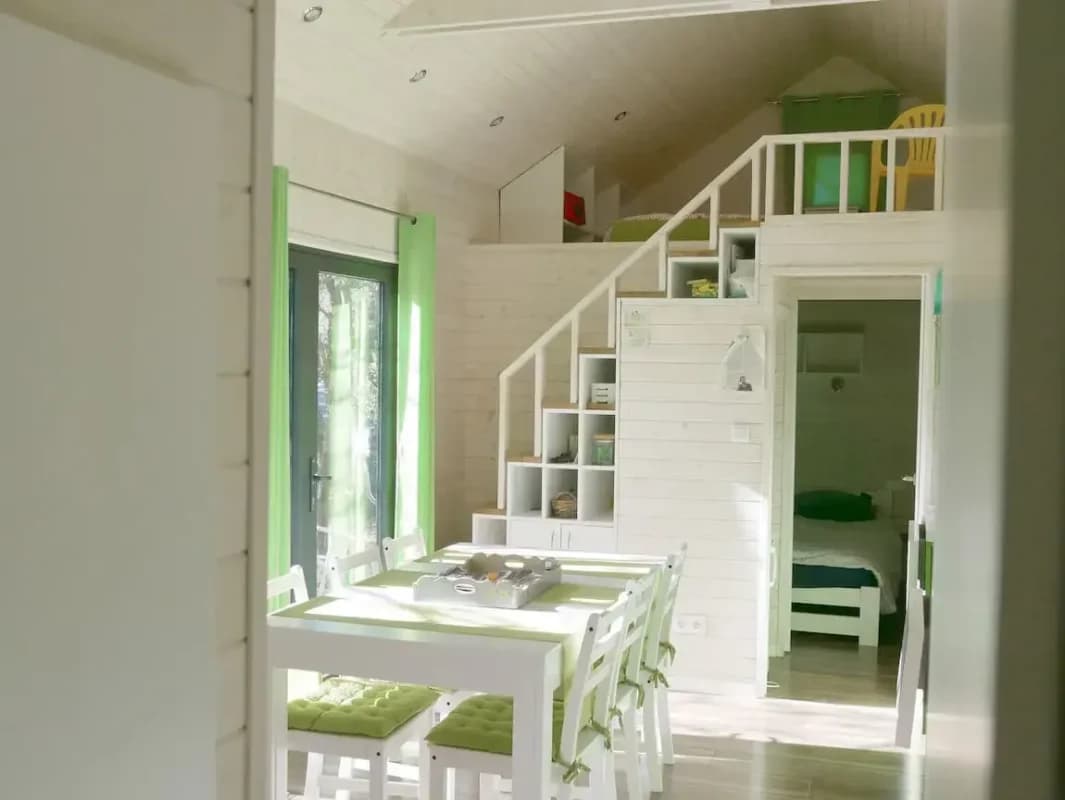
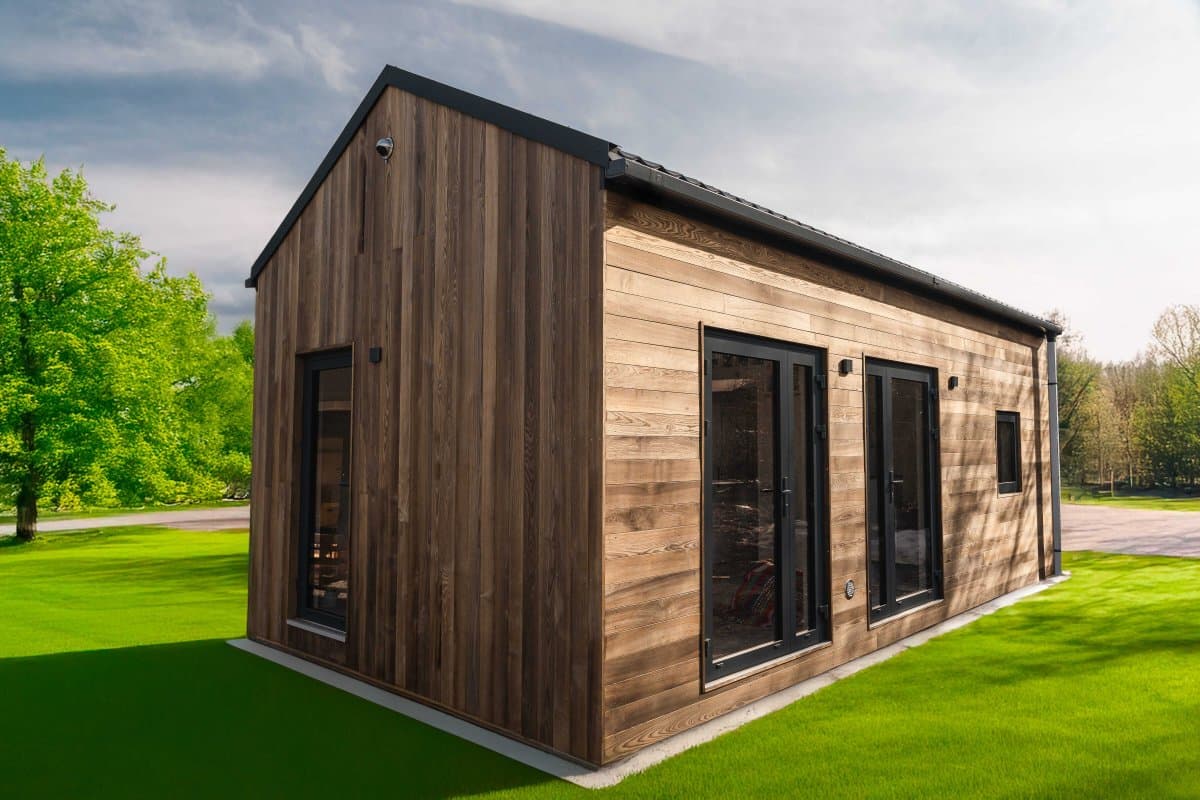
The Hydi Tiny House is a modular home designed from a corten steel shipping container, refitted to offer a functional and durable living space. This model stands out for its interior layout designed for a family, with two ground-floor bedrooms, making access and layout easy with no stairs. Corten steel, also known as weathering steel, is a material commonly used in maritime and architectural construction for its resistance to atmospheric corrosion. It develops a protective oxide layer on its surface that limits metal degradation over time, making it a relevant choice for a dwelling exposed to the weather. The original structure complies with ISO standards applicable to shipping containers, particularly regarding dimensions and mechanical strength. This means the Hydi Tiny House inherits a proven structural base, capable of withstanding significant stresses, including during handling and transport. The floor is made of 28 mm marine plywood, a glued wood-based panel resistant to moisture and suited to the interior atmospheres of a dwelling. The double rear door fitted with container locks allows wide, secure access while keeping the original closing method of shipping containers. This configuration is useful for maintenance, moving or opening onto an outdoor living space. The Hydi Tiny House can be installed on private land, in a campsite, an eco-lodge, a participatory housing project or on a professional site. It can serve as a primary or secondary residence, seasonal accommodation, site office or reception space. Its modular design allows for rapid installation, subject to local planning permissions. In France, installing a tiny house or a container converted into a dwelling is subject to local planning regulations. Depending on the municipality and the nature of the land, a prior declaration of works or a building permit may be required. It is recommended to check with the planning department before any installation. Similarly, transporting a shipping container on the road is regulated: dimensions and weight must comply with road traffic limits and specific permits may be required for exceptional convoys. The Hydi Tiny House, as a fitted-out container, can be transported by container truck or crane if access conditions allow. Maintaining a corten steel tiny house is relatively simple. Regular visual inspection of the structure, joints and openings helps detect any trace of corrosion or infiltration. Steel parts can be cleaned with clear water and gently brushed if necessary. It is advisable to check the sealing of joinery and technical duct passages. The marine plywood floor must be kept dry and protected from rising damp. Proper ventilation of the dwelling is essential to avoid condensation, especially in wet rooms and bedrooms. Fitting out a tiny house from a shipping container involves several points of vigilance. Thermal and acoustic insulation must be suited to the climate of the installation region. The original metal walls are conductive and require effective insulation to ensure comfort in all seasons. The electrical installation must comply with current standards and be carried out by a qualified professional. Plumbing and wastewater disposal must be designed according to the existing network or a self-contained solution. Cutting the structure to create openings must be studied so as not to weaken the whole. This is why it is preferable to entrust this work to craftsmen experienced in container fitting. The Hydi Tiny House presents itself as a reliable, modular base to customise to your needs. It can be equipped with solar panels, a rainwater harvesting system, a heat pump or a wood stove, in compliance with local rules. Its industrial aesthetic can be kept raw or clad with siding, renders or suitable paints. The two ground-floor bedrooms offer comfortable sleeping space without wasting room, an asset for families or people with reduced mobility. The central living space can accommodate a lounge, kitchen and shower room, depending on the chosen plan. The double rear door facilitates access and can open onto a terrace. In summary, the Hydi Tiny House is a modular dwelling in a corten steel shipping container, with a 28 mm marine plywood floor, double rear door with container locks and ISO compliance. It is aimed at those seeking a durable, scalable and transportable housing solution, subject to complying with current planning and transport constraints. For any technical question or to study your project, it is advisable to contact a professional specialising in fitted containers.
To choose your Hydi Tiny House well, it is useful to understand the general characteristics of shipping containers and how they influence the dwelling. The most common dry standard containers measure about 6.06 m long, 2.44 m wide and 2.59 m high for a 20-foot, and about 12.19 m long for a 40-foot. The internal volume of a 20-foot is around 33 m³, that of a 40-foot about 67 m³. A high cube container gains about 30 cm of internal height, improving ceiling comfort and making insulation easier. The Hydi Tiny House follows this logic: depending on the chosen base, the living area and ceiling height vary, and these elements should be checked before any fitting. The internal width of a standard container, about 2.35 m, requires careful thought about the layout of partitions, storage and circulation. A ground-floor bedroom can thus be sized for a double bed and a wardrobe without encroaching on the living room. The empty weight of a 20-foot container is generally between 2 and 2.5 tonnes, and that of a 40-foot between 3.5 and 4 tonnes, before fitting. These orders of magnitude are important for transport and for designing the foundation or ground support. A fitted tiny house can exceed these weights, which must be taken into account when sizing pads, slabs or piles. The structural strength of a shipping container is designed to stack several units and to support distributed loads. This characteristic allows for extensions, stacked modules or L- or U-shaped assemblies, subject to a technical study. However, major cuts to create large windows or through openings reduce the initial rigidity. It is therefore recommended to reinforce the frames with metal profiles and to follow the recommendations of an engineering firm. Corrosion is a major point of vigilance for any shipping container. Corten steel resists better than ordinary steel, but it is not indestructible. Water retention areas, welds, wall bases and fasteners must be inspected regularly. Localised anti-rust treatment and suitable paint can extend the life of the structure. The 28 mm marine plywood floor is also sensitive to prolonged moisture. It is advisable to provide a vapour barrier and under-floor ventilation if the tiny house is raised. External insulation, with added cladding, helps treat thermal bridges and protect the steel. Internal insulation, more common, must leave an air gap and a well-positioned vapour barrier to avoid condensation within the wall thickness. The choice of joinery must take into account wall thickness and the need to limit heat loss. Double or triple glazing with thermal breaks improves comfort and reduces heating needs. A container roof is often flat and can accumulate rainwater. A slight slope, a waterproof coating or a green roof can be considered, checking the permissible load. Installing a mechanical ventilation system, a Canadian well or natural cross-ventilation helps purify indoor air. Regarding regulations, the tiny house is not a single legal status in France. It can be considered a construction, a light leisure dwelling or a vehicle depending on its design and use. The classification depends on mobility, installation method and purpose. For a fitted container placed on land, the town hall may require a prior declaration, a building permit or a specific authorisation. Protected areas, listed sites, surroundings of historic monuments and agricultural or natural areas impose additional rules. It is therefore essential to consult the local urban plan and the instructing department before buying or installing. Transporting a shipping container in France falls under exceptional transport regulations when dimensions or weight exceed authorised thresholds. A standard 20-foot container generally fits within road gauges, but a 40-foot or a wider assembly may require prior authorisation. The convoy must be signposted, escorted if necessary, and follow defined routes. Loading and unloading operations require a crane truck, a suitable forklift or a mobile crane. Site access, ground bearing capacity and the presence of overhead lines must be checked beforehand. Poorly prepared transport can damage the structure or cause delays. It is advisable to use a carrier experienced in containers and to validate the lifting plan.
Sector use cases for the Hydi Tiny House are varied. In the tourism sector, it can serve as unusual accommodation, a guest room, a gîte or a lodge in a campsite or estate. Its robust structure and industrial aesthetic attract customers seeking a different experience. In the construction sector, it can be used as a site office, living base, changing room or secure storage. Its double rear door facilitates the passage of equipment and its resistant floor supports intensive use. In agriculture, it can become a technical room, workshop, farm shop or seasonal accommodation for workers. In the events sector, it can host a stand, catering area, changing room or control post. In the medical or social field, it can serve as a mobile practice, reception point or temporary consultation room. As part of a participatory housing or eco-village project, it can form an additional housing module, guest room or shared space. In urban settings, it can fit into a wasteland, courtyard or plot awaiting construction, subject to local rules. In education or research, it can become a workshop, field laboratory or training space. In the sports and leisure sector, it can serve as a clubhouse, storage room or catering point. In itinerant tourism, it can be moved from one site to another depending on the seasons, offering interesting flexibility. As a primary residence, it can suit a couple or small family seeking compact, economical and customisable housing. As a secondary residence, it can become a pied-à-terre or holiday home. As a rental investment, it can generate income from short- or long-term letting, depending on applicable regulations. As part of an integration or emergency project, it can offer a temporary housing solution that is quick to implement. In health, it can serve as a screening room, first-aid post or rest space. In culture, it can host a gallery, artist's studio or exhibition space. In the digital field, it can become a remote office, creative studio or coworking space. In catering, it can be fitted out as a fixed food truck, café or small professional kitchen, subject to hygiene standards. In wellness, it can host a massage parlour, yoga studio or meditation space. In early childhood, it can serve as a nursery or after-school reception room, subject to safety standards. In storage, it can be used as a secure room for archives, equipment or goods. In logistics, it can serve as a transit base or consolidation point. In energy, it can host technical equipment, batteries or production systems. In water, it can house a pumping station, treatment room or tank. In telecommunications, it can serve as a technical room for antennas or network equipment. In security, it can become a guard post, surveillance room or control centre. In environmental research, it can serve as a measurement station or observatory. In archaeology, it can become a excavation room or conservation space. In vocational training, it can host practical workshops or simulations. In crafts, it can serve as a production workshop or shop. In fashion, it can become a showroom or photo studio. In the automotive sector, it can serve as a preparation room or parts storage. In the nautical field, it can be used as a skipper's room or equipment storage. In aviation, it can serve as a technical room or leisure base. In rail, it can become a maintenance room or signal box. In maritime, it can serve as a port facility or diving base. In the mountains, it can become a refuge or rescue room. In the desert, it can serve as an exploration base or research room. In polar regions, it can become a scientific station or survival room. In space, it can serve as a training module or simulator. In the virtual field, it can be modelled for remote visits or digital twins. In 3D printing, it can serve as a production room or material storage. In robotics, it can become a test workshop or programming room. In artificial intelligence, it can serve as a technical room or data centre. In cybersecurity, it can become a surveillance post or secure room. In blockchain, it can serve as a node or mining room. In virtual reality, it can become an immersion or demonstration space. In augmented reality, it can serve as a training or assistance room. In 5G, it can become a technical room or access point. In the Internet of Things, it can serve as a hub or sensor room. In smart cities, it can become an urban module or services room. In ecological transition, it can serve as a demonstrator or educational room. In the circular economy, it can be built from reconditioned containers, limiting resource consumption. In soft mobility, it can become a bike room or charging point. In urban agriculture, it can serve as a greenhouse or processing room. In aquaponics, it can host a production system or technical room. In permaculture, it can become a training or storage room. In forestry, it can serve as a silviculture room or refuge. In fishing, it can become a processing or sales room. In livestock farming, it can serve as a care room or feed storage. In hunting, it can become a lodge or cutting room. In hiking, it can serve as a refuge or stopover point. In camping, it can become a mobile home or chalet. In glamping, it can serve as high-end accommodation or suite. In hospitality, it can become a room or suite. In fast food, it can serve as a kiosk or sales point. In delivery, it can become a relay point or sorting room. In e-commerce, it can serve as a warehouse or preparation room. In urban logistics, it can become a micro-hub or consolidation point. In modular construction, it can serve as a base module or extension. In architecture, it can become a study object or prototype. In design, it can serve as a showroom or workshop. In contemporary art, it can become an installation or gallery. In entertainment, it can serve as a dressing room or technical room. In music, it can become a studio or stage. In cinema, it can serve as a set or filming room. In photography, it can become a studio or laboratory. In fashion, it can serve as a wardrobe or pop-up shop. In beauty, it can become a salon or spa. In wellness, it can serve as a retreat centre or therapy room. In mental health, it can become a calm space or consultation room. In early childhood, it can serve as a drop-in centre or play room. In education, it can become a classroom or workshop. In universities, it can serve as a laboratory or office. In research, it can become an experimentation or measurement room. In innovation, it can serve as a living lab or demonstrator. In entrepreneurship, it can become an incubator or coworking space. In industry, it can serve as a technical room or storage. In energy, it can become a transformation or distribution room. In water, it can serve as a treatment station or tank. In waste, it can become a sorting or composting room. In recycling, it can serve as a collection or processing room. In repair, it can become a workshop or repair café. In reuse, it can serve as a material library or sales room. In second-hand goods, it can become a shop or consignment store. In the social and solidarity economy, it can serve as a community room or reception point. In integration, it can become a training site or training room. In solidarity, it can serve as a distribution room or refuge. In emergencies, it can become a first-aid post or crisis room. In humanitarian aid, it can serve as a storage or care room. In cooperation, it can become a project or meeting room. In development, it can serve as a field office or monitoring room. In diplomacy, it can become a representation or negotiation room. In defence, it can serve as a technical room or command post. In civil security, it can become a coordination or rescue room. In policing, it can serve as a station or custody room. In justice, it can become a hearing or mediation room. In prisons, it can serve as a visiting or surveillance room. In health, it can become a care or consultation room. In pharmacy, it can serve as a storage or preparation room. In biology, it can become a laboratory or culture room. In chemistry, it can serve as a handling or storage room. In physics, it can become an experimentation or measurement room. In geology, it can serve as an analysis or coring room. In meteorology, it can become a station or technical room. In oceanography, it can serve as a research or diving room. In astronomy, it can become an observatory or technical room. In astronautics, it can serve as a module or simulator. In robotics, it can become a workshop or test room. In artificial intelligence, it can serve as a technical room or computing centre. In cybersecurity, it can become a surveillance post or secure room. In blockchain, it can serve as a node or mining room. In virtual reality, it can become an immersion or demonstration space. In augmented reality, it can serve as a training or assistance room. In 5G, it can become a technical room or access point. In the Internet of Things, it can serve as a hub or sensor room. In smart cities, it can become an urban module or services room. In ecological transition, it can serve as a demonstrator or educational room. In the circular economy, it can be built from reconditioned containers, limiting resource consumption. In soft mobility, it can become a bike room or charging point. In urban agriculture, it can serve as a greenhouse or processing room. In aquaponics, it can host a production system or technical room. In permaculture, it can become a training or storage room. In forestry, it can serve as a silviculture room or refuge. In fishing, it can become a processing or sales room. In livestock farming, it can serve as a care room or feed storage. In hunting, it can become a lodge or cutting room. In hiking, it can serve as a refuge or stopover point. In camping, it can become a mobile home or chalet. In glamping, it can serve as high-end accommodation or suite. In hospitality, it can become a room or suite. In fast food, it can serve as a kiosk or sales point. In delivery, it can become a relay point or sorting room. In e-commerce, it can serve as a warehouse or preparation room. In urban logistics, it can become a micro-hub or consolidation point. In modular construction, it can serve as a base module or extension. In architecture, it can become a study object or prototype. In design, it can serve as a showroom or workshop. In contemporary art, it can become an installation or gallery. In entertainment, it can serve as a dressing room or technical room. In music, it can become a studio or stage. In cinema, it can serve as a set or filming room. In photography, it can become a studio or laboratory. In fashion, it can serve as a wardrobe or pop-up shop. In beauty, it can become a salon or spa. In wellness, it can serve as a retreat centre or therapy room. In mental health, it can become a calm space or consultation room. In early childhood, it can serve as a drop-in centre or play room. In education, it can become a classroom or workshop. In universities, it can serve as a laboratory or office. In research, it can become an experimentation or measurement room. In innovation, it can serve as a living lab or demonstrator. In entrepreneurship, it can become an incubator or coworking space. In industry, it can serve as a technical room or storage. In energy, it can become a transformation or distribution room. In water, it can serve as a treatment station or tank. In waste, it can become a sorting or composting room. In recycling, it can serve as a collection or processing room. In repair, it can become a workshop or repair café. In reuse, it can serve as a material library or sales room. In second-hand goods, it can become a shop or consignment store. In the social and solidarity economy, it can serve as a community room or reception point. In integration, it can become a training site or training room. In solidarity, it can serve as a distribution room or refuge. In emergencies, it can become a first-aid post or crisis room. In humanitarian aid, it can serve as a storage or care room. In cooperation, it can become a project or meeting room. In development, it can serve as a field office or monitoring room. In diplomacy, it can become a representation or negotiation room. In defence, it can serve as a technical room or command post. In civil security, it can become a coordination or rescue room. In policing, it can serve as a station or custody room. In justice, it can become a hearing or mediation room. In prisons, it can serve as a visiting or surveillance room. In health, it can become a care or consultation room. In pharmacy, it can serve as a storage or preparation room. In biology, it can become a laboratory or culture room. In chemistry, it can serve as a handling or storage room. In physics, it can become an experimentation or measurement room. In geology, it can serve as an analysis or coring room. In meteorology, it can become a station or technical room. In oceanography, it can serve as a research or diving room. In astronomy, it can become an observatory or technical room. In astronautics, it can serve as a module or simulator.