Description
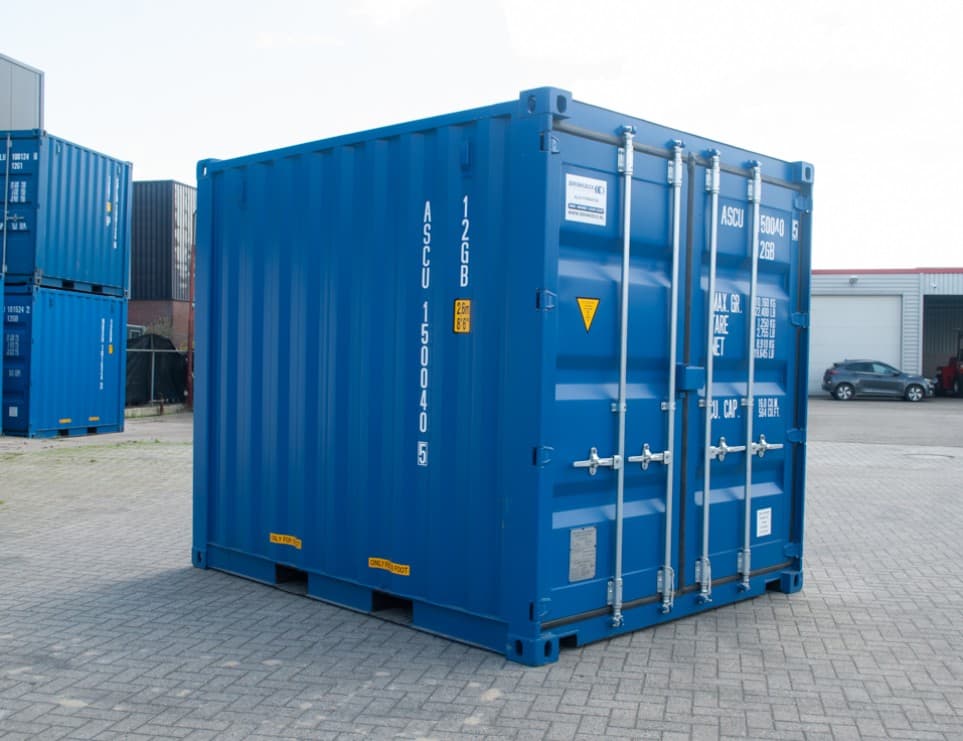
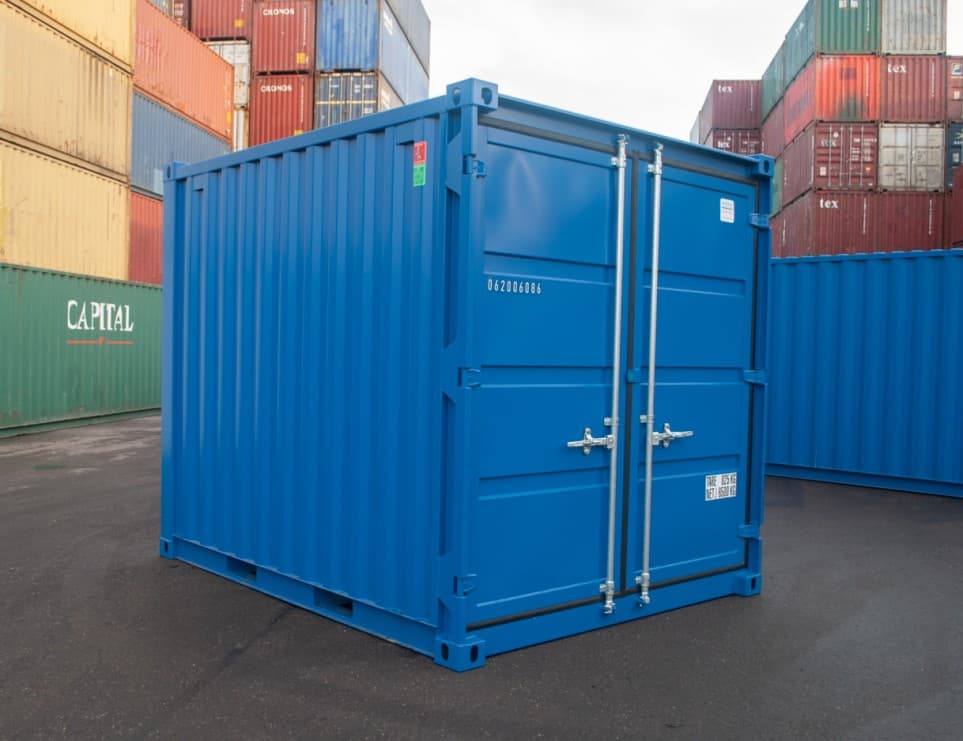
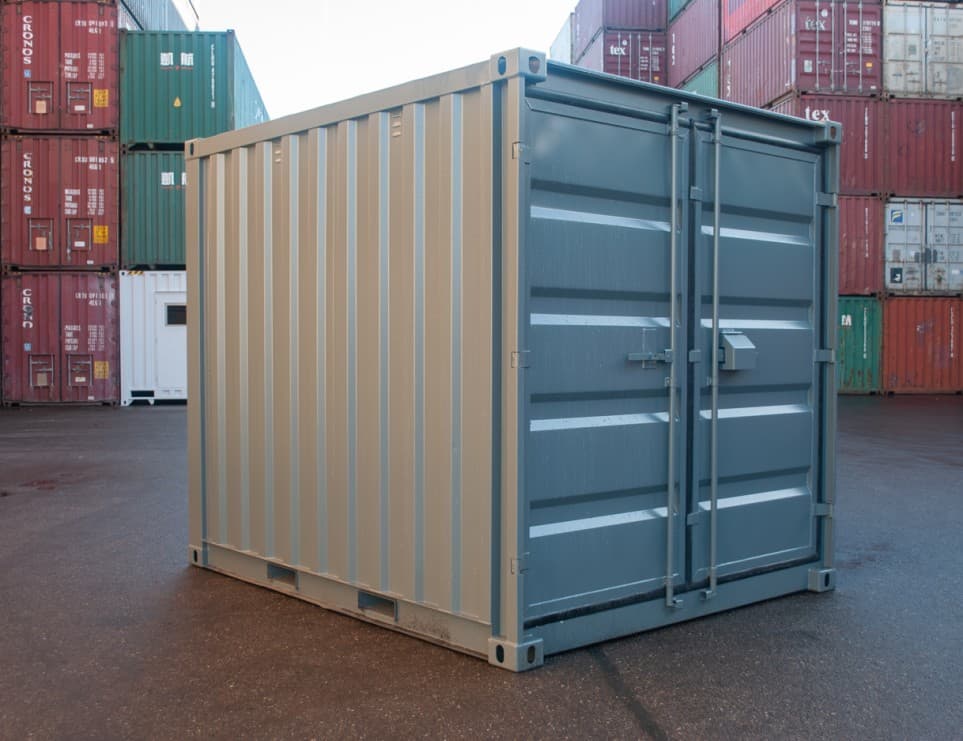
The used 10 ft container we offer is a compact and robust model, originally designed for maritime transport and now refurbished to meet storage or fit-out needs. Its Corten steel construction, a low-alloy steel that resists atmospheric corrosion, gives it proven long-term durability. At about 3 metres long, it is the smallest standard size in the ISO container range, making it particularly suitable for tight spaces, urban yards or construction sites where space is limited. Unlike 20 or 40 ft containers, it can be moved with lighter lifting equipment and requires a smaller footprint. This size is often sought for domestic or craft use, as it offers an economical alternative to traditional garden sheds or permanent structures. In the following paragraphs, we detail its technical characteristics, practical uses, points to watch when buying a used container, and the regulatory aspects of transporting and installing it in France.
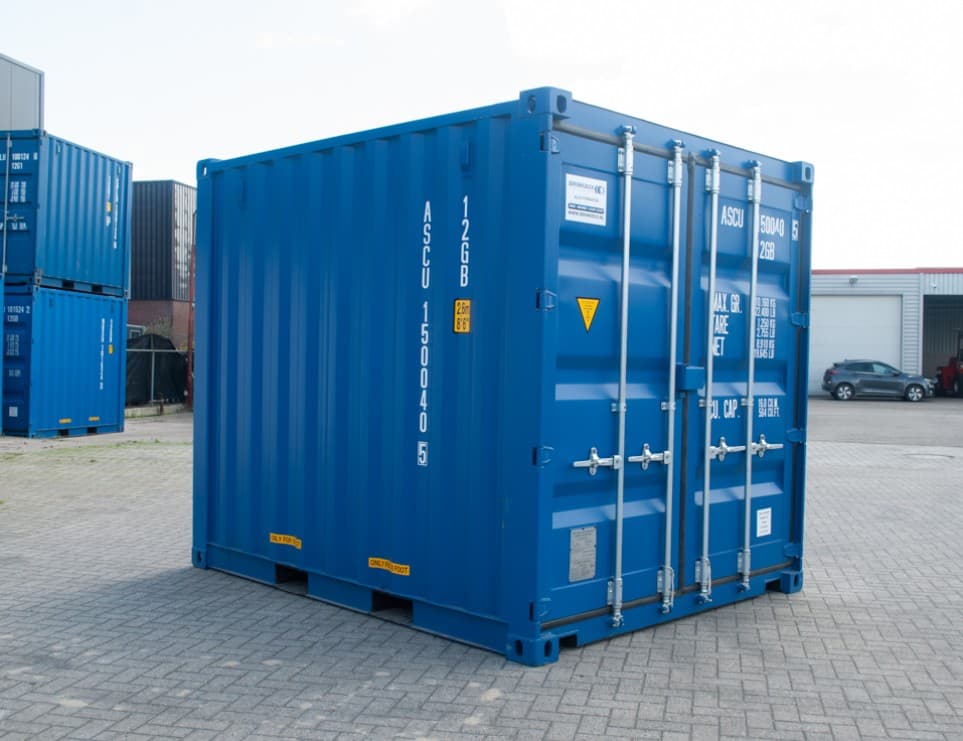
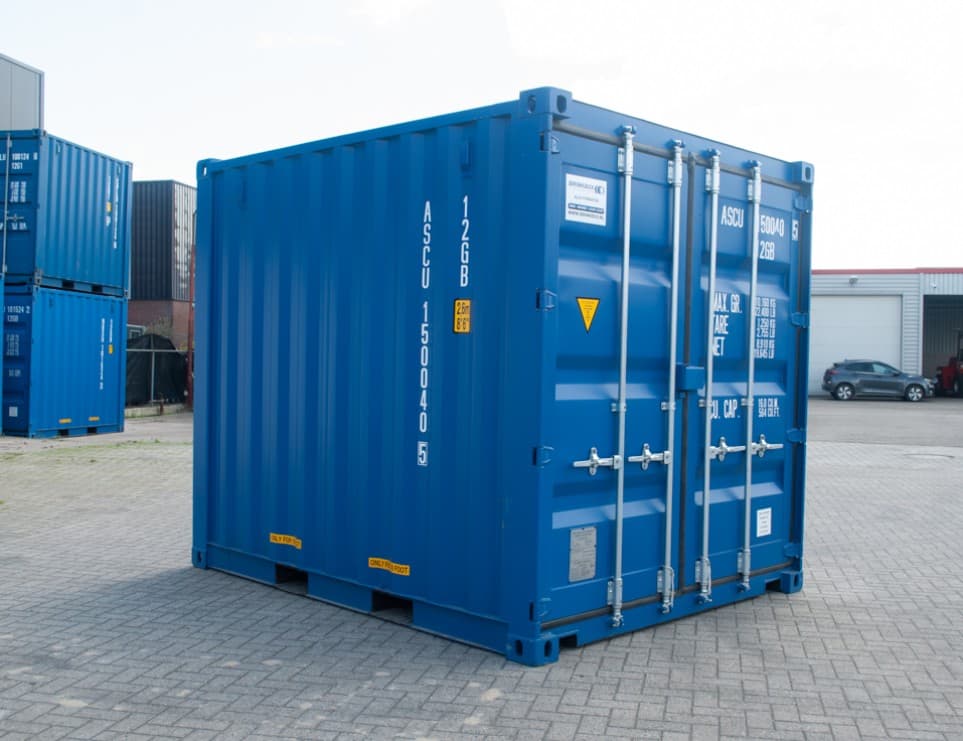
Technically, a standard 10 ft container complies with ISO 668 and ISO 1496-1, which define the dimensions and structural strength of maritime containers. Its usual external dimensions are approximately 2,991 mm long, 2,438 mm wide and 2,591 mm high (or 2,896 mm for a high cube version). Typical internal dimensions are approximately 2,830 mm long, 2,352 mm wide and 2,393 mm high, giving an internal volume of approximately 15.9 cubic metres. The floor area is approximately 6.6 square metres. The tare weight is generally around 1,300 to 1,500 kg, and the maximum payload can reach approximately 8,000 to 10,000 kg depending on the model, although for static storage use this limit is rarely reached. The floor is made of 28 mm thick marine plywood, a material resistant to moisture and heavy loads, often treated for better durability. The walls, roof and doors are made of Corten steel, with reinforcing ribs that ensure the rigidity of the whole. The rear double doors are equipped with container locks (four locking bars with handles and cams), guaranteeing secure closure and airtight and watertight sealing. Rubber seals are present around the doors. The container is also fitted with ISO corner fittings at the four top and bottom corners, allowing it to be lifted, lashed and stacked. These fittings are essential for transport and handling.
This container is offered used, meaning it has already been used, generally for maritime transport, and has been inspected before sale. The inspection includes a watertightness check, a structural examination (floor, walls, roof) and cleaning. It may show superficial wear, such as scratches, minor dents or surface rust spots, without affecting its functionality. The buyer should be aware that the aesthetic appearance may vary from one unit to another, but priority is given to strength and watertightness. If a flawless appearance is desired, repainting can be considered, but this is not essential for storage use. The mention "watertight and inspected, ready for immediate use" indicates that the container has been tested and has no leaks. It is important to check on delivery that the door seals are in good condition and that the locks work properly.
The uses of a 10 ft container are many. First, storage: it protects tools, construction equipment, goods, archives or moisture-sensitive equipment. Thanks to its watertightness, it provides a barrier against rain, dust and rodents, provided the doors are properly closed and the container is placed on a stable surface. On a construction site, it can serve as a technical room or tool store, preventing theft and damage. For individuals, it is a robust garden shed, a garage for a motorcycle or small equipment, or additional storage space. In the events sector, it can be used as temporary storage. Second, fit-out: a 10 ft container can be converted into a site office, sales unit, sanitary facilities or even a small dwelling (with the necessary fit-out). Its metal structure allows cut-outs for installing windows, additional doors, air conditioning or electricity. However, any modification must be carried out by professionals to preserve the structural rigidity. Due to its small size, it is often chosen for tiny house or garden studio projects, but it then requires suitable thermal and sound insulation. Finally, it can be used as a stackable storage module, as its corner fittings allow stacking, but care must be taken with the stability of the whole and safety rules.
When buying a used container, several points should be examined. First, the condition of the structure: check that there is no perforating corrosion on the walls, roof or floor. Surface rust is normal, but holes or weakened areas can compromise watertightness and strength. The plywood floor must be inspected: it should not have soft areas, delamination or rot. The doors must open and close without excessive effort, and the seals must be flexible and not cracked. The locks must work properly and keep the doors tightly closed. It is advisable to ask for recent photos or, better, to visit the container before purchase. If buying remotely, ensure the seller provides an accurate description and, if possible, a conformity guarantee. Then, check compliance with standards: a used container may have lost its CSC (Convention for Safe Containers) certification for maritime transport, but for static use this is not mandatory. However, if you plan to transport it on public roads, it must be compliant. Finally, find out about the container's origin: some have transported chemicals or foodstuffs and may require specific cleaning. A container used for dangerous goods must be decontaminated. Do not hesitate to ask for its history.
Maintaining a Corten steel container is relatively simple. To extend its lifespan, it is recommended to place it on supports (concrete blocks, pads, wooden beams) to avoid direct contact with the ground, which limits corrosion from moisture. A gap of at least 10 to 15 cm is ideal. Also ensure that water does not stagnate on the roof: a slight slope can be achieved by shimming the container. Regularly inspect the door seals and replace them if necessary (they are available commercially). Clean the surface with a damp cloth or a gentle water jet to remove dirt and bird droppings, which can accelerate corrosion. Avoid abrasive products or overly powerful pressure washers that could damage the paint. If paint chips appear, touch them up with a suitable anti-rust paint. For long-term use, a full repaint every 5 to 10 years can be considered. Finally, if the container is used to store sensitive materials, it is advisable to add a dehumidifier or moisture absorbers, as condensation can form inside when temperatures vary.
In France, installing a container on private land is subject to certain planning rules. A container is generally considered a construction if its floor area exceeds 5 square metres and its height is greater than 1.80 metres. In this case, a prior declaration of works to the town hall is often required, or even a building permit if the area exceeds 20 square metres. A 10 ft container has a footprint of approximately 6.6 square metres, so a prior declaration is likely to be required. It is therefore essential to check with the local planning department before installation, as rules can vary between municipalities (protected areas, local urban plan, etc.). Moreover, if the container is intended for habitation, it must comply with construction standards (insulation, safety, etc.) and obtain the appropriate authorisations. For temporary use on a construction site, a temporary occupation permit may be required. Regarding transport, a 10 ft container can be transported on a container truck or a suitable trailer. Its weight (about 1.3 to 1.5 tonnes empty) requires an approved vehicle and compliant lashing. Exceptional transport is generally not necessary for this size, but loading rules (lashing, signage) must be respected. If you buy from a professional, they can arrange delivery with a crane truck or container carrier, which makes setting it down easier. Allow clear access for the truck and stable ground for unloading.
Compared with other storage solutions, the 10 ft container has advantages. It is more secure than a wooden or resin garden shed, as it is difficult to break into and withstands bad weather. It is more durable than a lightweight site cabin. Its used purchase price is competitive compared with a new build. However, it can be heavier and require planning permission. It is also less thermally insulated than a traditional construction, which can be a drawback if you store products sensitive to cold or heat. In that case, additional insulation is recommended. In terms of dimensions, the 10 ft is shorter than a 20 ft, which can limit the storage of long items. For transporting goods, it is not suitable for standard European pallets (1.20 m x 0.80 m) designed for wider containers, but it can accommodate smaller pallets or bulk goods. In summary, it is a versatile solution for compact and secure storage needs.
At D.S. Globe Conteneur, we are based in Marseille and offer a range of used and new maritime containers. This 10 ft container is available at the price of 1,950 euros. We invite you to contact us to check availability, obtain additional photos or arrange a visit. We can advise you on choosing the container for your use and guide you towards useful accessories (padlocks, ventilation grilles, etc.). Delivery can be arranged in the Marseille region and beyond, according to terms to be agreed. Do not hesitate to ask us any technical or regulatory questions. Our team knows containers well and can support you in your project.
To usefully complete this presentation, let us examine preventive and curative maintenance in more detail. A used container, even inspected, remains exposed to weather. In addition to the periodic checks already mentioned, it is wise to check the condition of welds and ribs, particularly on corner posts and bottom rails, which are areas prone to corrosion. If you notice paint blistering, scrape it back to sound steel, apply a rust converter then a finishing paint. For small perforations, repair with epoxy resin or welding is possible, but it is better to call a professional. The marine plywood floor can be protected with a wood stain or specific paint, which limits wear and makes cleaning easier. If storing powdery products, an additional floor covering (OSB board, rubber mat) can be installed. Also consider ventilation: a fully sealed container can experience internal condensation. Adding ventilation grilles (on the walls, high and low) allows minimal air circulation without compromising rain tightness. These grilles must be fitted with insect mesh to prevent insects entering. If the container is for regular use, interior lighting (battery LED or mains-connected) improves comfort. Finally, for outdoor use, an annual anti-rust treatment of the lower parts (door bottoms, threshold, corners) significantly extends the lifespan.
Let us now address sector-specific use cases, as the 10 ft container meets specific needs depending on the trade. In the construction sector, it serves as a site office for storing power tools, PPE, consumables, or as a mobile changing room. Its compactness allows it to be positioned on narrow urban sites where a 20 ft would not fit. In agriculture, it can store seeds, fertilisers, small irrigation equipment, or serve as a temporary packing room. Winegrowers sometimes use it as an ageing cellar for small volumes, but be careful with temperature regulation. In retail, it can become a seasonal sales point (ice cream, souvenirs) after simple fitting-out (counter, lighting). Craftsmen (plumbers, electricians, carpenters) store their tools and spare parts in it, protected from bad weather and theft. In the leisure sector, it serves as a storage room for sports clubs (kayaks, diving equipment, bicycles), or as a site changing room. Local authorities use it to store municipal equipment (street furniture, signage, cleaning products). Finally, individuals see it as a storage solution for gardening, DIY, or even a personal workshop. This versatility is explained by the right balance between capacity (15.9 m³) and ground footprint (6.6 m²), which allows it to be installed in a city garden without taking up too much space.
Let us now compare the 10 ft with other container sizes and types to help with the choice. The 20 ft container (6.06 m long) offers approximately 33 m³ and a floor area of 14.8 m². It is more suitable for storing large volumes or transporting European pallets (11 pallets). The 40 ft (12.19 m) offers approximately 67 m³ and 29.7 m², ideal for international moving or mass archiving. The 40 ft high cube gains 30 cm of internal height, useful for tall volumes. Open top containers (opening roof) and flat racks (without side walls) are designed for out-of-gauge loads. Reefers (refrigerated) are intended for transporting perishable goods and require a power supply. The 10 ft, however, is the most manoeuvrable and least bulky. It is often used as a "proximity" storage container or as a base module for stackable modular constructions. In terms of price, a used 10 ft is generally cheaper than a 20 ft, but the cost per cubic metre is higher. The choice therefore depends on available space and the volume to be stored. If you have little space and a moderate need, the 10 ft is relevant. If you plan to accumulate a lot of equipment, a 20 ft will be more economical per volume.
Finally, for transport and handling, some clarifications are needed. The 10 ft container can be lifted by a forklift equipped with suitable forks (be careful not to damage the floor) or by a mobile crane. ISO corner fittings allow the use of standard spreaders. For road transport, a container truck of the flatbed or platform type may suffice, but the total height (about 2.59 m + chassis height) must be checked to pass under bridges. The gross vehicle weight (container + goods) must not exceed the vehicle limits. In France, container transport is subject to regulations on weights and dimensions (max width 2.55 m, max height 4 m, length 16.5 m for an articulated combination). A 10 ft container alone on a truck remains within the rules. If you have it transported by a professional, ask for a stowage plan and compliant lashing. For moving it on your land, a tractor or forklift may suffice. Do not forget to check the ground bearing capacity before placing the container, especially if it is loaded. Soft or sloping ground may require stabilisation work. In summary, the used 10 ft container is a reliable, durable and versatile solution for many projects. With minimal maintenance and compliant installation, it will provide good service for years.