Description
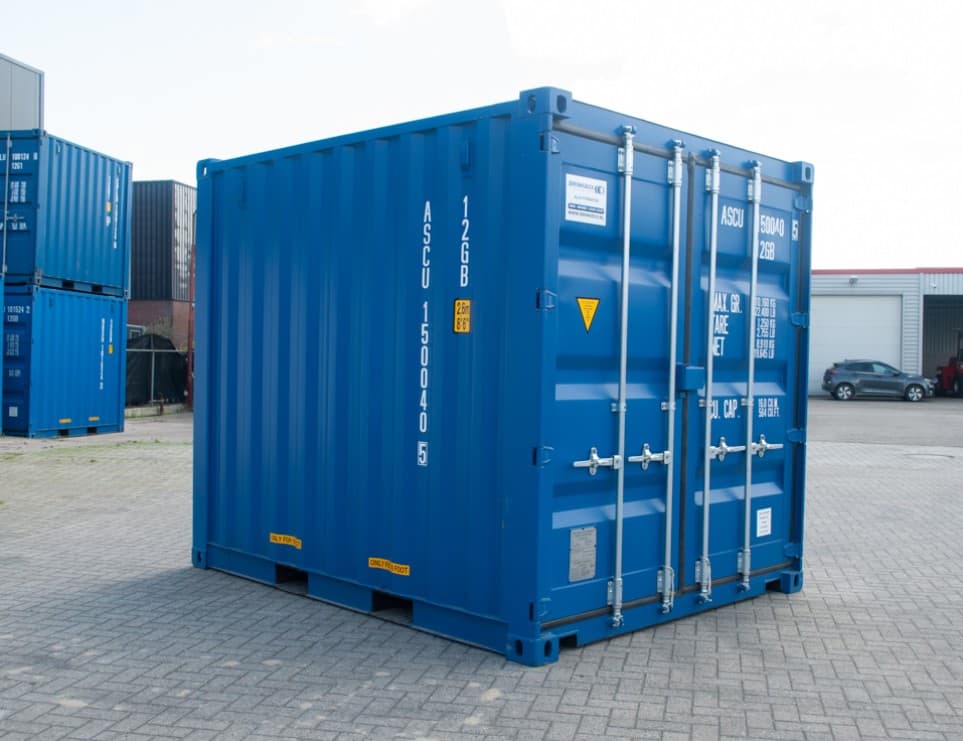
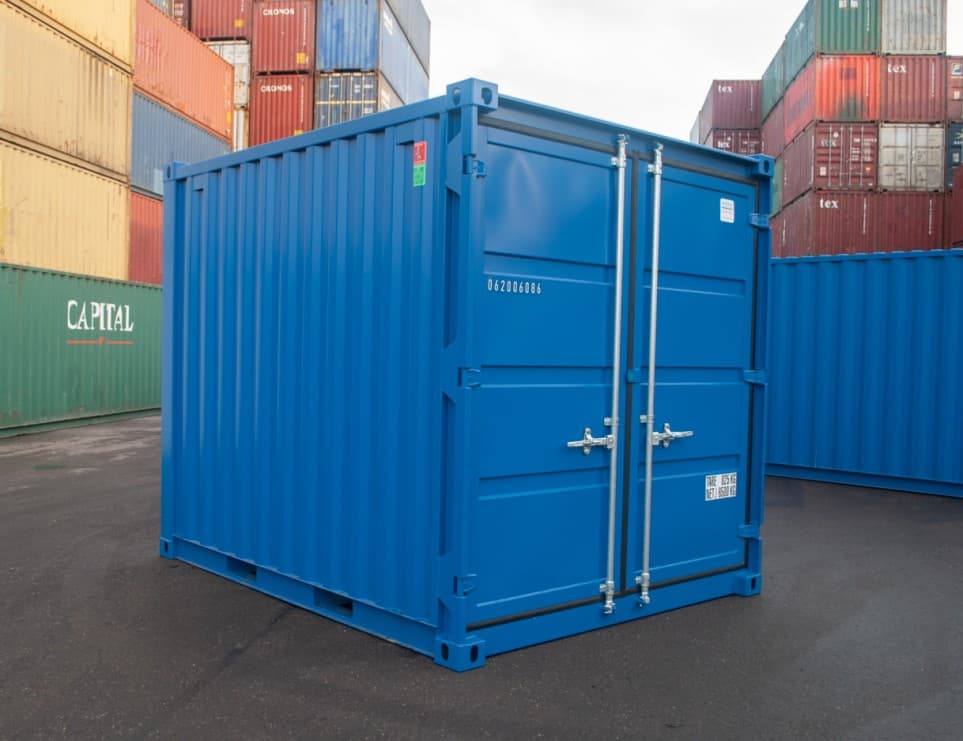
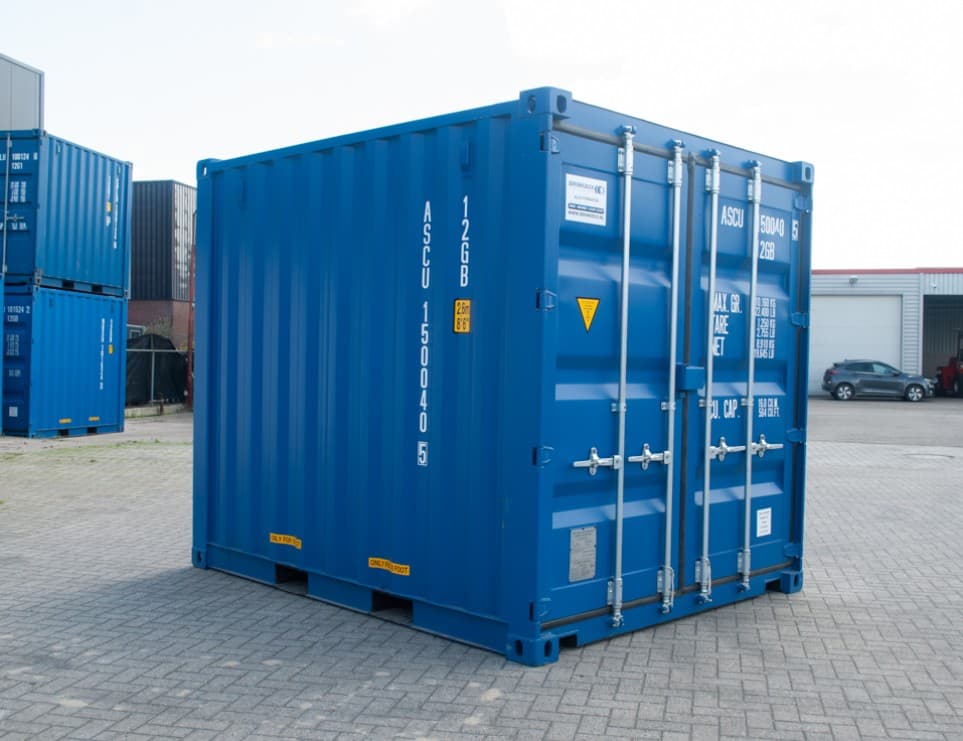
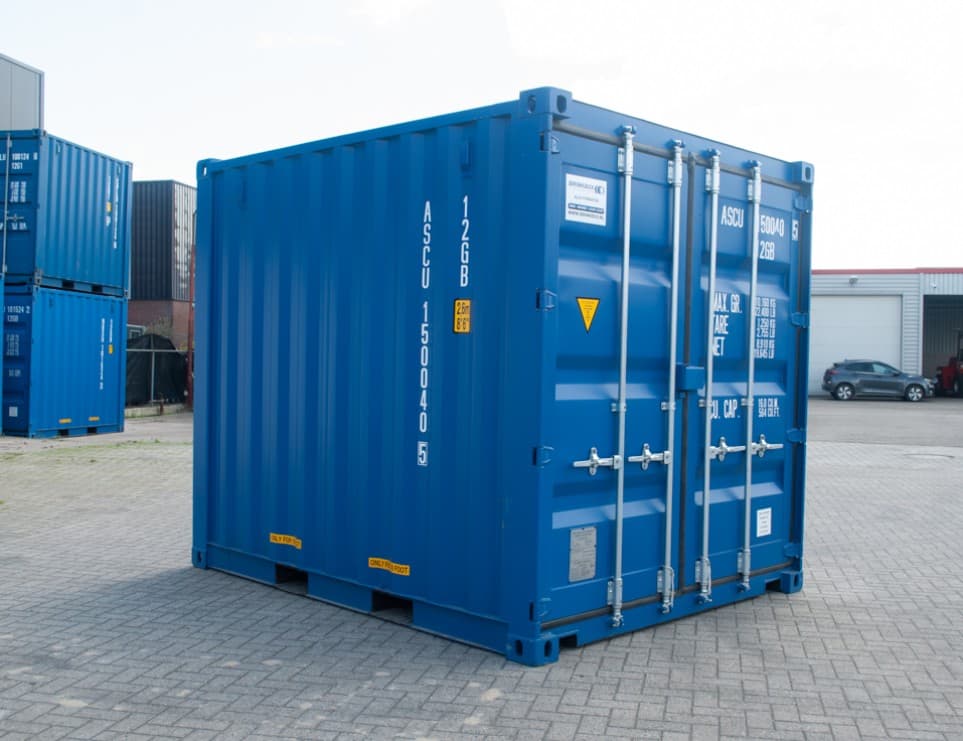
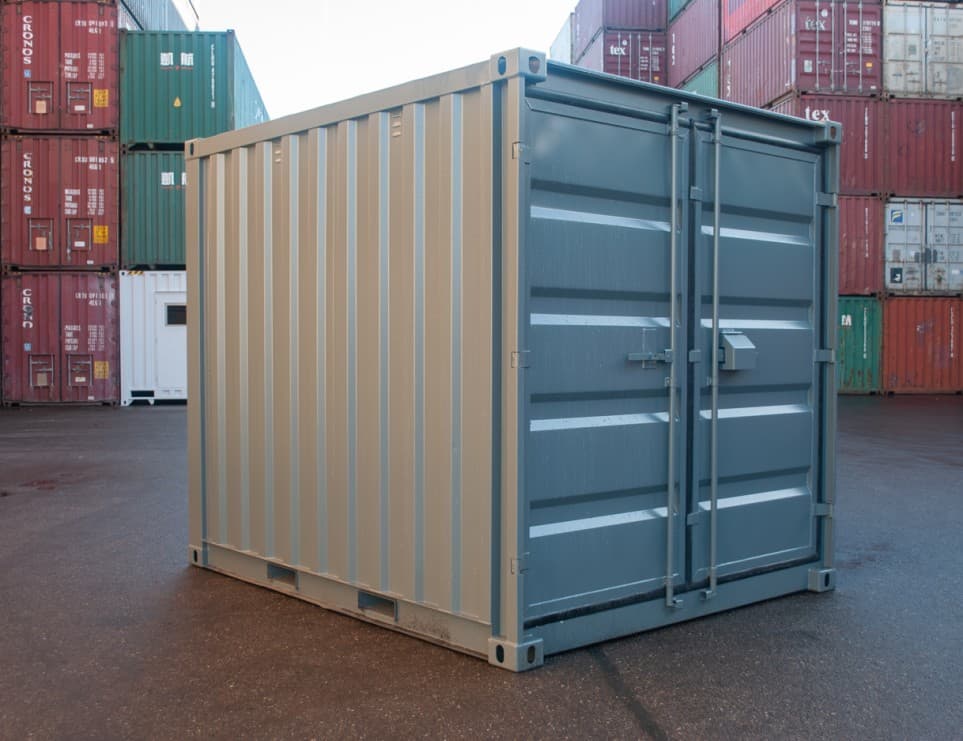
The 10-foot shipping container is a compact and sturdy format, often overlooked by the general public, yet it fits perfectly in many situations where available space is limited. This used container, offered by D.S. Globe Conteneur in Marseille, has been refurbished and restored to guarantee its watertightness and solidity. It is a reliable storage solution, immediately usable, without requiring prior work. In the following paragraphs, we detail its technical characteristics, its practical uses, the points to watch when buying, as well as the regulatory aspects related to its transport and installation in France.
To begin, it is worth recalling what a shipping container is. It is a standardized metal box, designed for intermodal transport of goods. The dimensions and strength characteristics are defined by international standards, notably ISO 668 for dimensions and ISO 1496 for technical specifications. The 10-foot container, although less common than 20 or 40-foot models, meets these same standards. Its approximate length is 3 meters, width 2.44 meters and height 2.59 meters. These external dimensions may vary slightly depending on the manufacturer, but they remain within the tolerances provided by the standard. The useful internal volume is about 15 to 16 cubic meters, which offers appreciable storage capacity for a small footprint.
The structure of this container is based on a Corten steel frame, also called weathering steel. This steel has superior corrosion resistance to ordinary steel, thanks to the formation of a protective oxide layer on the surface. It has been used in the construction of shipping containers for decades, ensuring a long service life even in outdoor environments. The side walls and roof are made of corrugated sheets, which provide rigidity and resistance to deformation. The floor is made of 28 mm thick marine plywood. This material is treated to resist moisture and heavy loads. It is common to find this type of floor in containers, as it offers good thermal and sound insulation, while supporting significant distributed loads.
The rear doors are double-leaf, equipped with standard container locks. These locks, often four per leaf, allow effective locking and good sealing. Rubber seals, placed around the doors, ensure no water or dust infiltration when in good condition. When buying a used container, it is essential to check the condition of these seals, as their replacement is inexpensive but guarantees the protection of stored goods. The ISO certification mentioned in the specifications attests that this container was manufactured in accordance with current standards. For a used container, the CSC (Convention for Safe Containers) certificate may be required for sea transport, but for static storage use, it is not essential. D.S. Globe Conteneur can provide additional information on this point.
Let us now turn to the practical uses of this 10-foot container. Its compact size makes it particularly suitable for restricted spaces: home courtyard, small garden, company parking, urban construction site. It can serve as storage for tools, gardening equipment, bicycles, motorcycles, or various goods. Thanks to its watertightness, it effectively protects against rain, snow and rodents, provided the doors are properly closed and the seals are intact. It can also be converted into a site office, technical room, or mobile workshop. For a conversion, it is possible to add interior insulation, ventilation, openings for natural light, and electrical supply. However, these modifications must be carried out in compliance with safety rules and, if the container is intended to be occupied, it may be subject to building permit requirements according to local regulations.
Another common use is temporary storage during moves or renovations. Its capacity of 15 cubic meters allows storing the contents of a small apartment or garage. It can be delivered on site by crane truck, then picked up once empty. This rental or purchase with delivery service is common among container rental companies. D.S. Globe Conteneur, based in Marseille, can ensure delivery in the Provence-Alpes-Côte d'Azur region and beyond, according to terms to be agreed.
When buying a used container, several points of vigilance must be examined. First, the condition of the metal structure: look for perforating rust, significant deformations, or cracked welds. Surface rust is normal and can be treated, but deep corrosion can compromise the integrity of the container. Then, check the condition of the floor: it should not have soft spots, rot, or delamination. Marine plywood can be replaced, but this represents an additional cost. Also check the operation of the doors: they must open and close without force, and the locks must engage correctly. Watertightness can be tested by spraying water on closed doors and checking for no infiltration inside. Finally, ensure that the container is properly refurbished, i.e., cleaned, and that any repairs have been carried out properly.
Another important aspect is the regulations relating to transport and installation. In France, transporting a 10-foot container on the road requires a suitable vehicle, generally a container truck or a crane truck. The empty weight of a 10-foot container is about 1,300 to 1,500 kilograms, depending on its design. Once loaded, the total weight can reach several tons, which may subject the vehicle to traffic restrictions (gross vehicle weight, dimensions). It is advisable to use a specialized carrier, who knows the constraints and can obtain the necessary permits if needed. For installation on private land, it may be necessary to request a planning permission if the container is fixed to the ground and used as a building. In the case of simple temporary storage, no formality is generally required, but it is prudent to check with the town hall.
Regarding maintenance, a Corten steel container requires little care. It is recommended to regularly clean the surface with a water jet and mild detergent to remove dirt and salt deposits, especially by the sea. An annual inspection of seals and locks helps prevent problems. If paint chips appear, it is advisable to treat them with anti-rust paint to prevent corrosion. The plywood floor can be protected with a coat of paint or marine varnish, but this is not mandatory. When storing moisture-sensitive products, adding a dehumidifier or desiccant bags can be useful.
Compared to other storage solutions, the shipping container has several advantages. It is more resistant than a wooden or resin garden shed, and it offers better security against theft thanks to its steel walls and locks. It is also more durable and requires less maintenance. Its purchase cost, for a used 10-foot model, is competitive compared to building a masonry room. Moreover, it is movable, allowing it to be reused on different sites. On the other hand, it can be subject to condensation if ventilation is insufficient, and it can become very hot in summer if the sun hits it directly. Insulation or reflective paint can mitigate this phenomenon.
D.S. Globe Conteneur, as a specialist based in Marseille, offers this used 10-foot container at a price of 1,950 euros. This price reflects the refurbished condition of the container and its immediate availability. For more information on delivery terms, conversion options, or to visit the container, it is possible to contact the company. Marseille, as a major Mediterranean port, offers easy access to many containers, allowing to find varied models. Do not hesitate to ask for additional photos or to ask specific questions about the condition of this container.
Let us now delve deeper into routine maintenance and preventive interventions that extend the life of a used container. Beyond simple cleaning, it is useful to establish a seasonal routine. In spring, inspect the roof after winter weather: accumulated leaves and debris can retain moisture and promote corrosion. Sweeping and rinsing are usually sufficient. In summer, check that natural ventilation (the ventilation grilles present on some models) is not obstructed. In autumn, check the door seals before heavy rains. In winter, avoid letting snow accumulate on the roof, as its weight can reach several hundred kilos and stress the structure. If the container is stored on grassy ground, it is advisable to place it on sleepers or concrete blocks to prevent ground moisture from rising by capillarity and attacking the base. A few centimeters of space under the floor also improves air circulation.
Condensation is a common phenomenon in metal containers. It occurs when the outside temperature varies greatly between day and night, causing droplets to form on the interior walls. To limit this risk, several solutions exist: installing low and high ventilation grilles, using passive dehumidifiers (containing calcium chloride) or electric ones, or applying insulating paint on the walls. For storing electronic equipment, documents or clothing, these precautions are important. Conversely, for construction equipment or resistant tools, minimal ventilation may suffice.
Let us now address in more detail French regulations regarding transport and installation. Road transport of a 10-foot container is subject to the Highway Code rules concerning heavy goods vehicles. The gross combined weight (GCW) of the vehicle and its trailer must not be exceeded. An empty 10-foot container weighs about 1.3 tons, but once loaded, it can easily reach 5 to 10 tons, depending on the nature of the goods. The carrier must therefore know the exact weight and ensure that the truck is suitable. In addition, the container's dimensions (width 2.44 m) remain within the limits allowed for circulation without an exceptional convoy, which simplifies procedures. The total height of the loaded vehicle may however exceed 4 meters, which requires particular attention to bridges and tunnels. Finally, the securing of the container on the truck must comply with safety standards (straps, twist-locks).
For installation on land, the regulations depend on the use. A container used as a simple storage room, not accessible to the public and not intended for habitation, is generally considered as movable equipment, unless it is permanently fixed to the ground. In that case, it may be subject to planning permission. The rules vary by municipality and zone (urban, agricultural, protected). It is therefore recommended to consult the local urban plan (PLU) or to inquire with the town planning department of the town hall. For residential or office use, the requirements are stricter: compliance with construction standards, insulation, fire safety, accessibility. A container converted into housing must often obtain a building permit. D.S. Globe Conteneur can guide its clients to the competent contacts, but does not replace administrative authorities.
Let us now broaden the reflection to sector-specific use cases. In the building and public works sector, the 10-foot container is appreciated as a compact site office or as a storage room for tools and materials. Its reduced size allows it to be installed on urban sites where space is limited. It can be equipped with shelves, racks, and lighting powered by a generator or electrical extension. In the events sector, it serves as a technical control room, storage for sound and lighting equipment, or mobile changing room. In retail, it can become a pop-up store after conversion, particularly on brownfields or parking lots. In agriculture, it stores seeds, fertilizers, or small equipment, provided safety rules are respected and dangerous products are not stored without precautions. In the maritime and port sector, it is used for storing spare parts or maintenance equipment. Finally, for individuals, it advantageously replaces a garden shed or an extra garage.
Let us now compare the 10-foot container to other formats. The 20-foot container (6.06 m long) offers double the volume, about 33 m³, for a larger footprint. It is more common and often cheaper per cubic meter, but requires more space. The 40-foot container (12.19 m) offers about 67 m³, ideal for massive storage or international transport, but difficult to install in an urban garden. The 10-foot, on the other hand, stands out for its maneuverability: it can be moved by a modest-sized crane truck, and it fits into narrow courtyards. In terms of price, a used 10-foot is often between 1,500 and 2,500 euros depending on condition and location, making it accessible. The used 20-foot is generally offered between 2,000 and 3,500 euros. The 10-foot is therefore an interesting option for small needs.
Among container types, there are variants: dry (standard, like this one), reefer (refrigerated, with cooling unit), open top (open roof), flat rack (without side walls), and high cube (height increased by about 30 cm). The 10-foot container is almost always of the dry type, as the other variants are rare in this format. The high cube in 10 feet exists but is uncommon. For classic storage use, the dry is the most suitable and the most economical. The reefer, heavier and more expensive, is only justified for perishable or temperature-sensitive goods. The open top facilitates loading from above, useful for bulky objects or machines. The flat rack is used for transporting out-of-gauge objects. The choice therefore depends on the nature of the goods to be stored or transported.
Finally, let us not forget the aesthetic aspect and integration into the environment. A raw Corten steel container has an industrial look that may displease. It is possible to paint it with a suitable paint (epoxy or polyurethane) in the color of your choice, which improves its appearance and adds extra protection. It can also be clad with wood siding, composite panels, or vegetation (green roof) for better landscape integration. These arrangements must however be carried out in compliance with safety rules and not compromise watertightness. A well-maintained and customized container can become an interesting architectural element, as seen in many modular construction projects.
In conclusion, this used 10-foot container offered by D.S. Globe Conteneur represents a pragmatic solution for many storage or conversion needs. Its price of 1,950 euros, its refurbished condition, and its availability in Marseille make it an option to consider. We invite you to contact us for any technical question, to organize a visit, or to obtain a delivery quote. Our team will advise you on the most suitable use for your project.