Description
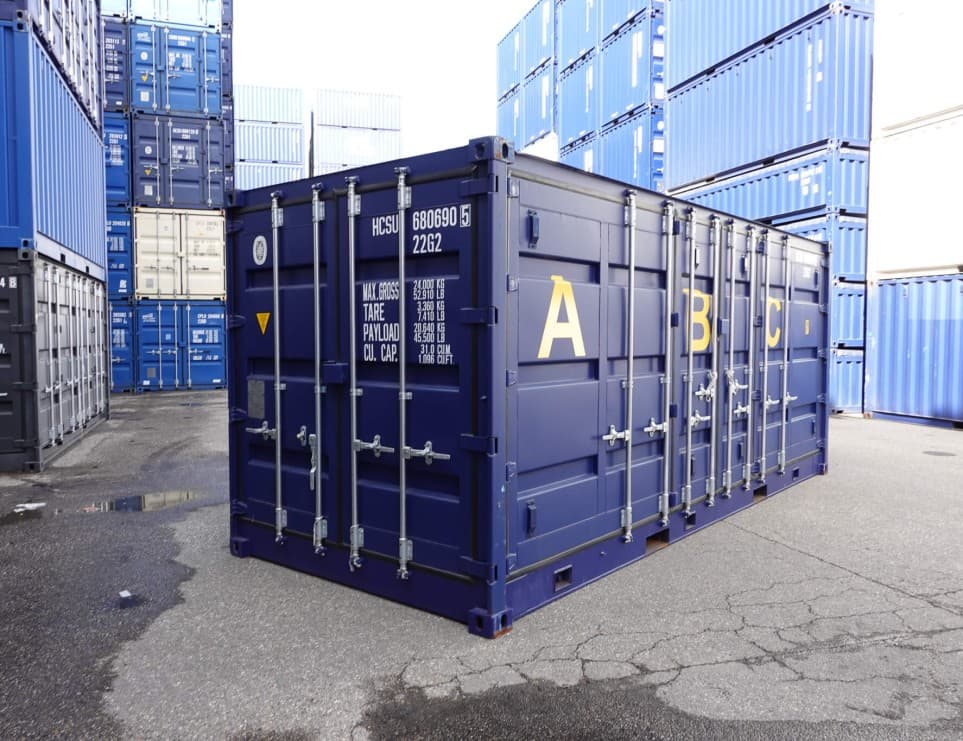
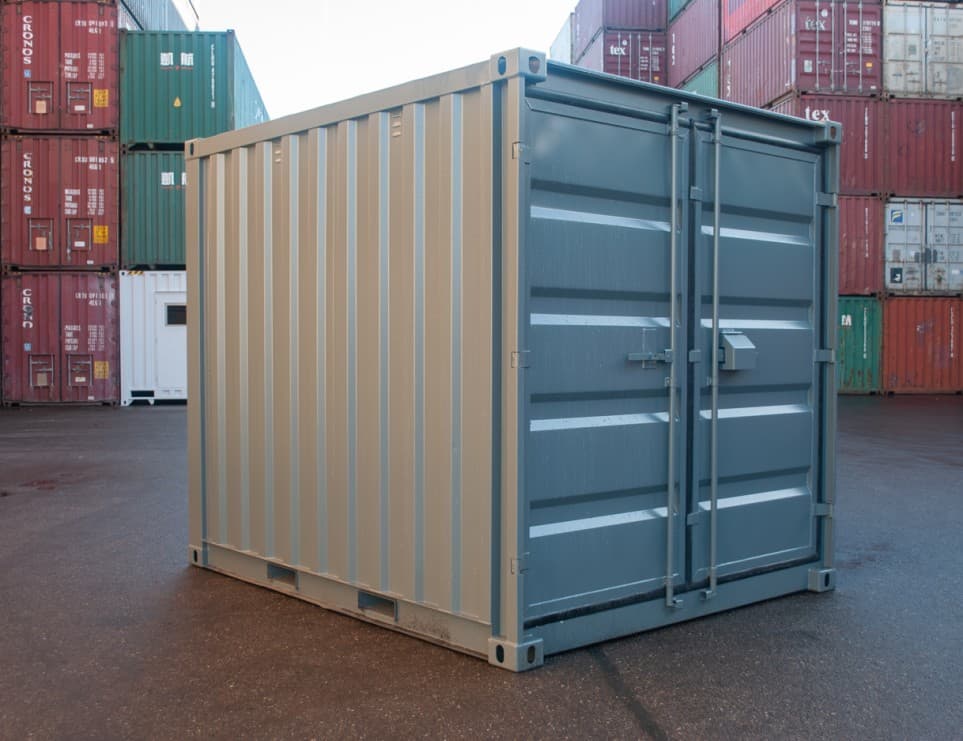
The new 20ft Open Side container is a storage and transport solution that stands out for its full side opening. Unlike a standard dry container, which is accessed only through the rear doors, this model has one or more side panels that open along the entire length of the container. This design greatly facilitates loading and unloading of wide, long or hard-to-handle goods from the rear. This container is new, meaning it has never been used for sea transport, which guarantees a structure without deformation, optimal watertightness and a longer service life.
Let's start with the essential technical characteristics. A 20ft container complies with the standard dimensions defined by ISO 668 and ISO 1496-1. Its external dimensions are generally 6.058 m long, 2.438 m wide and 2.591 m high. The internal dimensions offer a useful volume of approximately 33 cubic metres, with an internal length of approximately 5.898 m, a width of approximately 2.352 m and a ceiling height of approximately 2.393 m. The tare weight is around 2,200 to 2,400 kg depending on the manufacturer, and the maximum payload can reach approximately 28,000 kg. These values may vary slightly from one manufacturer to another, but they remain within these standardised ranges. The Open Side container keeps these external dimensions, making it compatible with the same lifting and transport equipment as a standard dry container.
The main difference lies in the side wall. It consists of two or four panels that open outwards, usually held by robust hinges and locked by locking bars similar to those on the rear doors. The opening can be total or partial depending on the model. This configuration provides side access over the full height and length of the container, allowing pallets, tubes, profiles, machines or vehicles to be loaded without having to rotate them inside. This is a major advantage for professionals handling bulky loads or wishing to fit out the interior space with great freedom.
The structure is made of Corten steel, also known as weathering steel. This is a low-alloy steel that develops a protective surface rust layer, giving it excellent resistance to atmospheric corrosion. This characteristic is particularly important for a container intended to be stored outdoors or used in marine or industrial environments. The floor is made of 28 mm thick marine plywood, a dense, moisture-resistant material capable of supporting heavy loads and frequent traffic. The rear doors are fitted with standard container locks, ensuring secure closure. The whole unit complies with ISO standards, guaranteeing compatibility with international handling and transport systems.
The new 20ft Open Side container is supplied with ISO certification, a guarantee of quality and compliance with international requirements. It is watertight and airtight, protecting goods from bad weather and humidity. In addition, it is inspected and ready for immediate use. This means it has been checked and all functional elements (doors, seals, locks) are in good working order.
What are the concrete uses of this type of container? The first use is the transport of oversized goods. Companies shipping machines, construction equipment, boats, vehicles or very long items find the Open Side a practical solution. For example, a generator, compressor or genset can be loaded from the side with a forklift, without having to bring it in through the rear. Similarly, construction materials such as tubes, beams or large panels can be slid in from the side, reducing the risk of damage and handling time.
The second use is on-site storage. Many companies use shipping containers as temporary or permanent warehouses. The Open Side allows easier and faster access to stored goods, especially when they are stacked on pallets or arranged along the walls. Farmers, craftsmen, manufacturers and local authorities appreciate this configuration for storing bulky materials, tools, spare parts or seasonal equipment. The side opening also facilitates direct loading from a dock or trailer, without having to move goods inside the container.
The third use is conversion into a workspace or technical room. An Open Side container can be transformed into a workshop, site office, changing room, waste storage room or guard post. The side opening offers great flexibility for installing workbenches, machine tools or shelving. It also makes it possible to create an additional opening for ventilation or natural light by adding grilles or windows on the panels. Some models are even used as mobile showrooms or exhibition stands, thanks to their industrial appearance and modularity.
The fourth use is multimodal transport. The 20ft Open Side container is designed to be stackable and handled by the same equipment as standard containers (reach stacker, crane, forklift). It can be transported by truck, train or ship. However, it is important to note that the side opening may require additional precautions during sea transport, as the panels must be properly locked and sealed to ensure watertightness and safety. In general, shipping lines accept this type of container, but it is recommended to check the conditions with the carrier.
Now let's look at the points to watch when buying. A new container must have a structure without dents, holes or signs of repair. Check that the door and side panel seals are supple and intact. Inspect the hinges and locks: they must work without forcing and hold the panels firmly. The floor must be clean, without splinters or rotten areas. Ask for the ISO certification and, if possible, a CSC (Convention for Safe Containers) certificate, which confirms that the container is suitable for international sea transport. For a new container, the CSC is generally supplied with the plate affixed to the structure. Also check for the identification plate and regulatory markings (serial number, weights, capacity).
Maintenance of a Corten steel container is relatively simple. It is advisable to regularly clean the surface with a water jet to remove salt, dust or pollutant deposits, especially in coastal areas. Avoid abrasive products that could scratch the protective rust layer. If paint chips appear, they can be touched up with suitable paint to prevent corrosion. Periodically check the condition of seals and locks; a worn seal can let water in. Grease the hinges and locking mechanisms once or twice a year. For prolonged outdoor use, you may consider a finishing coat on exposed parts, but Corten steel is designed to withstand without special treatment.
Regarding transport regulations in France, a shipping container is considered an intermodal transport unit (ITU). Its road transport is subject to the applicable size and weight rules. A 20ft container can be transported on a container truck without special authorisation if the total gross vehicle weight does not exceed legal limits (40 tonnes for a standard road train). However, if the container is loaded beyond the limits, exceptional transport permits may be required. For sea transport, the container must be CSC certified and comply with the SOLAS convention on verified gross mass. In France, using a container as a storage room or office may require planning permission if the installation is fixed and exceeds a certain duration. It is recommended to check with the town hall or the DDT (Direction Départementale des Territoires) before any permanent installation.
Another important point is anchoring and stability. An empty container can be moved by strong winds. It is therefore advisable to secure it to the ground, especially in exposed regions. Anchoring kits are available commercially. In addition, if you stack containers, make sure the corner castings are properly locked with twist-locks. Do not exceed the stacking limits recommended by the manufacturer, generally three to four containers high for empty containers, and fewer if the containers are loaded.
In terms of security, an Open Side container offers protection against theft and intrusion, provided the locks are in good condition and the container is fitted with a padlock or additional locking system. The doors and side panels can be secured with anti-burglary bars. For sensitive use, an alarm or video surveillance system can be installed.
The new 20ft Open Side container is therefore a versatile, robust and durable solution for many professional and private uses. Its price of €5,450.00 excl. VAT reflects its quality and specificity. It is important to note that this price may vary depending on options (painting, interior fit-out, insulation) and delivery costs. D.S. Globe Conteneur, based in Marseille, offers this model in its special container catalogue. For a confident purchase, do not hesitate to ask for detailed photos and to ask all your questions about the exact characteristics of the model offered.
Finally, remember that this container is new, which means it has not undergone the stresses of sea transport and shows no signs of wear. It is therefore particularly suitable for companies looking for reliable and durable equipment, or for individuals wishing to create a storage space or technical room. Its unique side opening makes it a wise choice for anyone who needs easy and quick access to the inside of the container.
To complete this presentation, let's look in more detail at sector-specific use cases. In the construction sector, the Open Side container is frequently used to store construction materials on sites. Scaffolding tubes, metal profiles, formwork panels and electrical cables can be loaded and unloaded from the side, which speeds up turnover and reduces the risk of falls. Public works companies see it as a way to secure their equipment on site while having quick access to the necessary parts. In addition, the side opening allows a workbench or small work area to be set up inside, sheltered from the weather.
In the agricultural sector, farmers use containers to store seeds, fertilisers, plant protection products or fodder. The Open Side facilitates loading of big bags, hay bales or pallets of packaged products. It also allows small agricultural machines, such as tillers or mowers, to be stored without having to manoeuvre them in a confined space. Some farmers even convert a container into a direct sales outlet, with a side opening serving as a counter.
In the events sector, Open Side containers are used as dressing rooms, pop-up bars, technical control rooms or storage spaces for stage equipment. The side opening offers great visibility and makes it easy to integrate decorative or signage elements. Festival organisers appreciate the speed of installation and the robustness of these structures.
In the retail and logistics sector, the Open Side can serve as a mini-warehouse for retailers short of space. It allows bulky goods such as furniture, appliances or construction materials to be stored while having direct access from outside. Delivery companies can also use it as a temporary consolidation point.
Now let's compare the 20ft Open Side container with other types of containers. The standard 20ft dry container is the most common and the cheapest, but it only has a rear opening. It is suitable for goods that can be loaded on pallets or by hand. The Open Top container, on the other hand, has an opening or removable roof, allowing goods to be loaded from above using a crane. It is used for heavy or bulky loads that cannot pass through the doors. The Flat Rack container has no side walls or roof, allowing very wide or very high loads to be loaded, but it offers no protection against bad weather. The Open Side container sits between these two extremes: it offers full protection like a dry container, but with side access that facilitates loading of wide loads. It is more versatile than the standard dry container, but less open than the Flat Rack.
In terms of size, the 20ft is the most common format for heavy and compact loads. The 40ft offers double the volume, but it is less suitable for very heavy loads because its tare weight is higher and its structure is more flexible. The 20ft Open Side is therefore a good compromise for companies that need side access without sacrificing robustness. There are also 40ft Open Side containers, but they are less common and more expensive.
Another point to consider is height. The standard container is 2.591 m high externally, in line with the ISO standard. There are High Cube (HC) versions that are approximately 2.896 m high, offering an additional internal volume of about 15%. For an Open Side, the High Cube version is interesting if you need to store tall loads, but it can cause transport problems because it exceeds the standard height of some tunnels or bridges. It is therefore important to check the constraints of your site and route.
Finally, let's talk about insulation and fit-out. A new Open Side container can be insulated with rock wool or polyurethane foam panels, then lined with plywood or panelling. The side opening can be retained or replaced by a glazed door or roller shutter. For office use, a partition can be installed to separate a work area and a storage area. Electricity can be run inside, with sockets and suitable lighting. However, these fit-outs must comply with current electrical and fire safety standards. It is advisable to call on a professional for these conversions.
In summary, the new 20ft Open Side container is a versatile, robust and durable piece of equipment that meets many needs. Its full side opening facilitates handling and access, while its Corten steel construction and marine plywood floor guarantee a long service life. Compliant with ISO standards, it is ready to use and can be used for transport, storage or fit-out. Before buying, check the points to watch and make sure this type of container suits your use. For any questions, the D.S. Globe Conteneur team is at your disposal.