Description
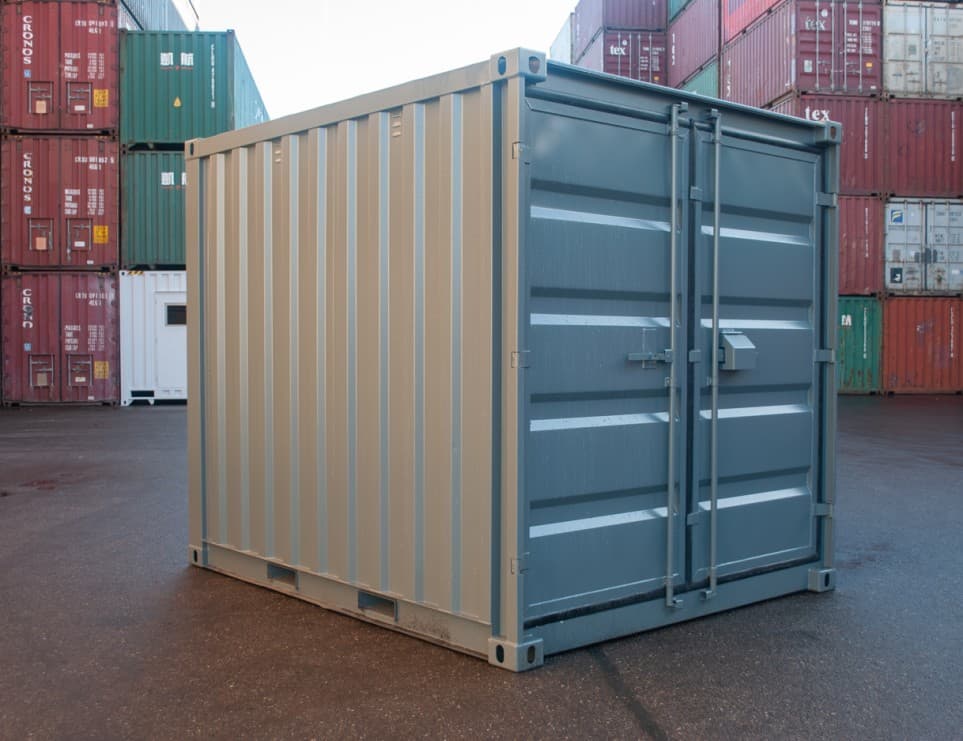
The 8ft shipping container is a compact and uncommon format, often sought for specific storage or fitting needs on tight sites. This new model, known as first trip, has never been used to transport goods: it comes straight from the factory and retains all its original characteristics. Its Corten steel structure, recognised for its resistance to atmospheric corrosion, gives it durability suited to intensive outdoor use. Unlike used containers, a new container shows no rust, no impact and no repair: the walls, roof and floor are intact, and the seals are in perfect condition. This guarantees optimal air and water tightness, an essential criterion for protecting goods sensitive to humidity.
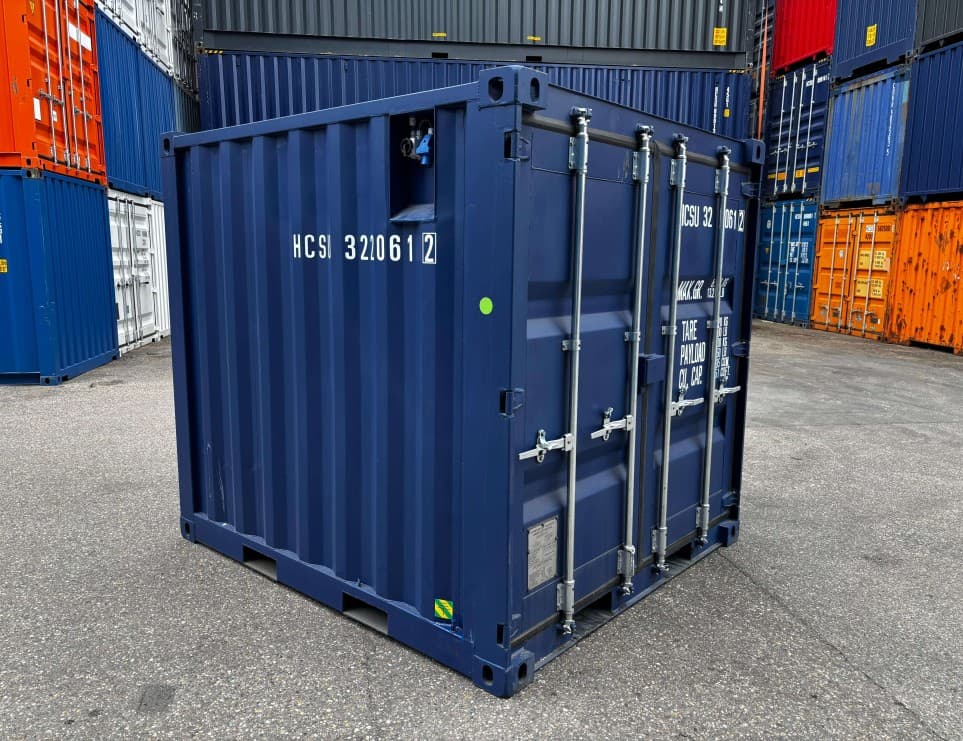
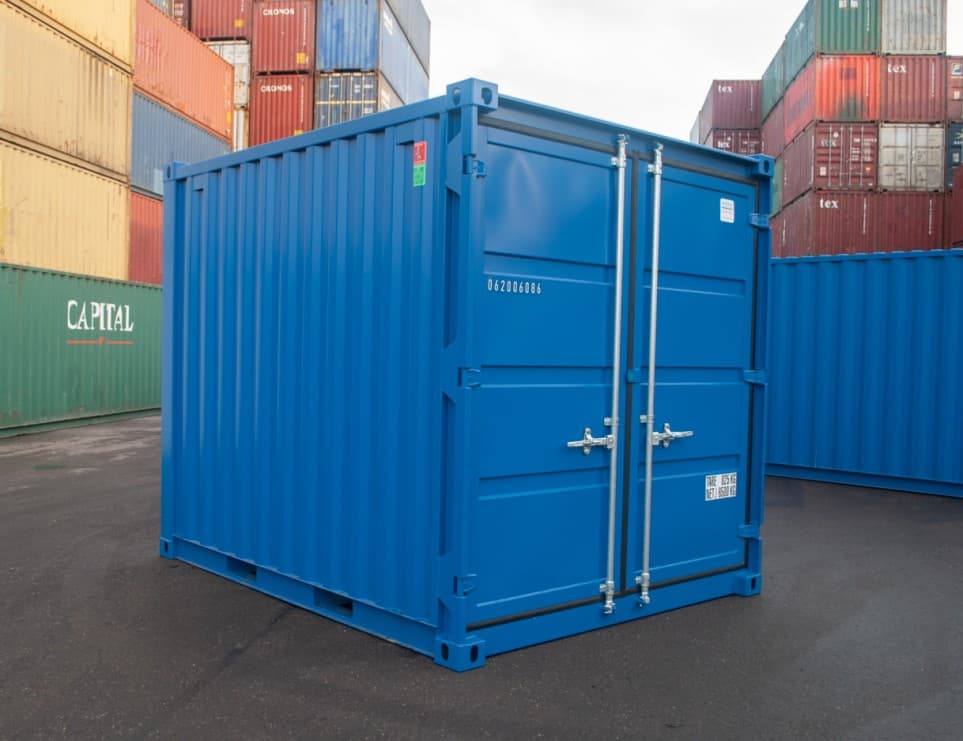
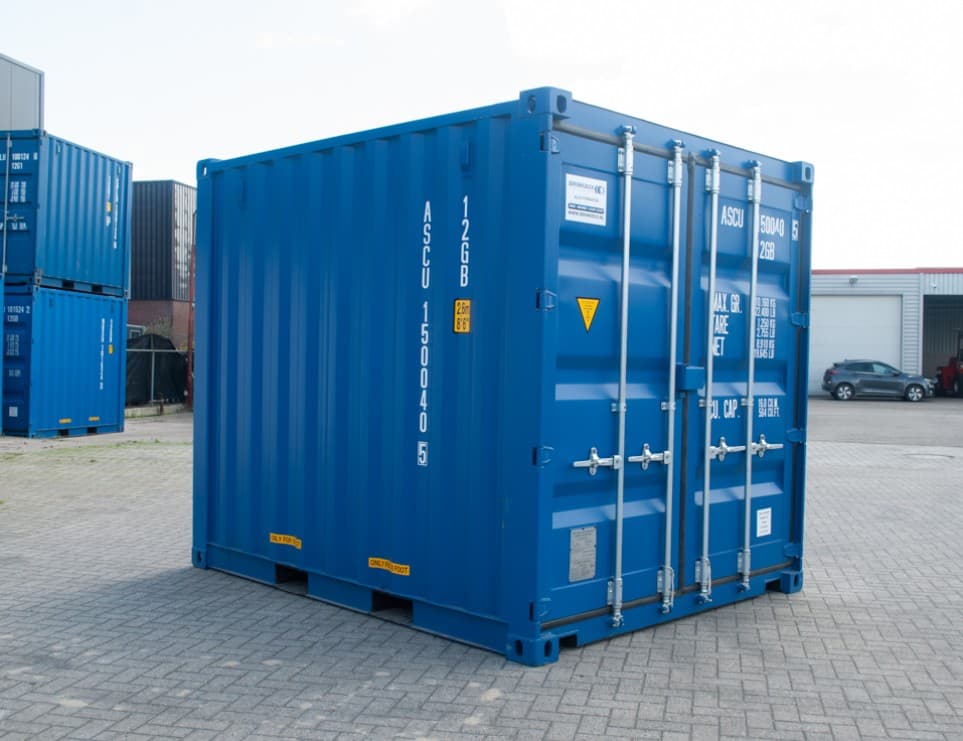
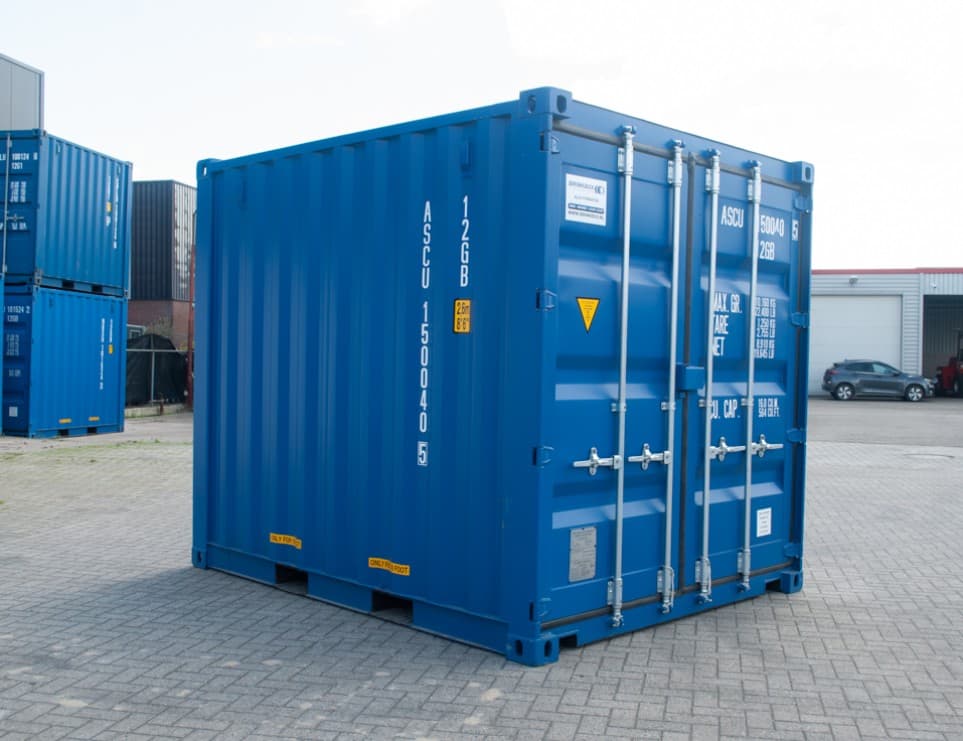
This 8ft container belongs to the special container category because of its non-standard length. It is shorter than a 10ft container and much smaller than a standard 20ft. Its approximate external dimensions are around 2.44 m long, 2.44 m wide and 2.59 m high, with an empty weight generally between 1,000 and 1,300 kg depending on the manufacturer. These values may vary slightly from one batch to another, but remain close to ISO standards for this type of format. The usable internal volume is around 10 to 12 m³, which allows a significant amount of equipment to be stored while keeping a small footprint. The width and height are identical to those of a 20ft container, allowing handling with the same lifting equipment and stacking on other containers of compatible dimensions.
The design remains faithful to ISO 668 and 1496 standards, which define the dimensions and structural strength of shipping containers. The model presented is a dry container, i.e. without a refrigeration or mechanical ventilation system. It is designed for the transport and storage of dry goods, protected from the weather. Its structure includes a welded steel frame, corrugated side and front walls, a flat steel roof, and a 28 mm thick marine plywood floor, treated to resist humidity and heavy loads. This floor rests on steel cross members, allowing it to support significant distributed loads, often exceeding 1,000 kg per square metre depending on the manufacturer's specifications. The double rear doors are fitted with standard container locks, with vertical locking bars and ergonomic handles. These doors open to around 270 degrees, making loading and unloading from the rear easier. Rubber seals ensure watertightness all around the opening.
Corten steel, also known as weathering steel, contains alloying elements such as copper, chromium and nickel that promote the formation of a protective oxide layer on the surface. This surface patina slows corrosion and prevents deep degradation of the metal. This is why this material is widely used in the construction of shipping containers, permanently exposed to sea spray and climatic variations. A new Corten container therefore offers excellent weather resistance, whether by the sea, in an industrial area or in a rural environment. It can be repainted if necessary, but the original finish is generally an epoxy or polyurethane paint applied at the factory, which protects the steel and limits maintenance work in the first years.
This 8ft format is particularly appreciated for storage on urban land or in co-ownership, where available space is limited. It can serve as a technical room for gardening equipment, tools, bicycles, archives or seasonal equipment. Its standard height allows access standing up, but it should be noted that a classic dry container has no built-in lighting or ventilation: for frequent use, it is advisable to add low and high ventilation to limit condensation. Natural aeration can be installed without compromising watertightness, provided suitable grilles are used. Similarly, the absence of a window means artificial lighting must be provided if the container is used as a workshop or office.
In terms of fitting out, the 8ft container can be transformed into a site office, sales unit, changing room, sanitary facilities or a small temporary living unit. Its floor area of around 5.5 m² allows a compact workspace with a desk, a chair and some storage. For sanitary use, installing water and drainage networks requires structural modifications: drilling the floor or walls, reinforcing insulation, and complying with local planning rules. It is important to remember that installing a container on private land may be subject to planning permission in France, depending on the duration of installation and the nature of the project. A container used as a storage unit may, in some cases, be exempt from a permit if its surface area and height remain below regulatory thresholds, but it is prudent to check with the town hall before any installation.
Transporting an 8ft container is relatively easy. Its moderate empty weight allows it to be moved with a crane truck or a forklift equipped with suitable forks. The four bottom and top corners are fitted with corner castings compliant with ISO standards, allowing it to be lifted, chocked and secured with twist-locks. These parts are essential for handling and for sea or road transport. On delivery, it is recommended to check the condition of the corner castings, door seals and floor. A new container should show no deformation, no perforating rust and no watertightness defect. A simple test is to close the doors and observe whether daylight passes through the seals: if it does, the watertightness is not perfect. Another test is to spray water on the roof and walls and check for absence of infiltration inside.
Maintenance of a new Corten steel container remains limited in the first years. It is advisable to regularly clean the roof and the natural gutters formed by the ribs, to avoid accumulation of dead leaves or debris that retain humidity. The walls can be washed with clean water or a mild detergent, without using abrasive products that would scratch the paint. In case of a deep scratch exposing bare steel, a touch-up of anti-rust paint is recommended to preserve protection. Door seals should be inspected once or twice a year and replaced if they harden or crack. The marine plywood floor can be cleaned with a broom or a slightly damp mop; it should not be left in prolonged contact with standing water. If the container is used to store chemicals or damp materials, additional ventilation and a suitable floor coating may be necessary.
Buying a new first-trip container has several advantages. It guarantees a longer lifespan than a used container, better watertightness and an aesthetic appearance without rust or dents. It also generally offers a more stable resale value. However, the price of a new container is higher than that of a used one, and the 8ft format is less common than 20 or 40ft, which can lead to longer supply times. It is therefore important to check availability and delivery conditions with the seller. In addition, this type of container may be subject to transport restrictions depending on the country, as its non-standard length can complicate loading on certain ships or trucks. In Europe, road transport of an 8ft container is generally possible on a suitable container truck, but it must be ensured that the vehicle has adequate fixings.
From a regulatory point of view, a new shipping container must meet the requirements of the CSC (Convention for Safe Containers) of the International Maritime Organization. This convention requires a CSC approval plate, which certifies that the container has been tested and approved for sea transport. The plate indicates the date of manufacture, the serial number, the maximum authorised weight and the date of the next inspection. A new first-trip container has this plate and has not yet undergone periodic inspection. When purchasing, it is recommended to check the presence of this plate and its compliance. In France, using a container as a storage or living space may fall under construction and planning regulations. A container placed on the ground without foundations may be considered a lightweight construction, but if it is fixed to the ground or constitutes a living space, it may require a building permit. It is therefore essential to contact the local planning department before any permanent installation.
To go further into the question of maintenance, a distinction must be made between preventive and corrective maintenance. Preventive maintenance consists of monitoring the appearance of surface rust, particularly on edges, welds and lower walls, where standing water can accumulate. A quarterly visual check is generally sufficient in a temperate environment. By the sea, where the air is salt-laden, more frequent inspection is advisable, as sea spray accelerates oxidation of unprotected areas. Corrective maintenance comes into play when a rust area is detected: the rust must then be brushed back to sound metal, an anti-rust primer applied and then a suitable finishing paint. This operation, carried out in time, prevents the spread of corrosion and extends the container's lifespan. The roof is the most exposed part: the ribs retain water and debris, and accumulation can create corrosion points. Annual cleaning of the roof, with checking of welds, is therefore recommended. Corner castings and door hinges should also be greased periodically to prevent seizing of the locking mechanisms. Regular maintenance, even minimal, maintains the container's value and guarantees its watertightness over the long term.
Regarding transport regulations in France, a shipping container is considered an intermodal load unit. Its road transport is governed by the Highway Code and by rules on vehicle weights and dimensions. An 8ft container, measuring around 2.44 m long, can be transported on a container truck or a suitable trailer. The vehicle's gross combined weight rating (GCWR) and gross vehicle weight rating (GVWR) must be respected, taking into account the mass of the container and its contents. For exceptional transports, specific permits may be required if dimensions exceed regulatory limits, but an 8ft container remains within common dimensions. Rail and inland waterway transport are also possible, but require handling equipment suitable for the corner castings. During sea transport, the container must be secured in accordance with IMO rules and the carrier's instructions. Finally, for import or export, a new container may be subject to customs duties and taxes depending on its origin and destination; it is advisable to check with a freight forwarder.
Sector-specific use cases are varied. In the construction sector, an 8ft container can serve as a storage unit for tools and valuable materials on a site, or as a site office for the site manager. Its reduced size makes it easy to position on urban sites where space is limited. In events, it can be used as a technical room for sound and lighting equipment, or as a changing room for artists. In retail, it can become a seasonal sales point, a kiosk or a pop-up shop, after interior fitting and electrical installation. In agriculture, it can store seeds, fertilisers or small equipment, provided ventilation is included to avoid humidity. In logistics, it can serve as a locker or parcel office. Finally, for individuals, it is an additional storage solution for garden tools, bicycles, motorbikes or leisure equipment. In all cases, it is recommended to raise the container on blocks or beams to avoid direct contact with the ground and limit rising damp.
Compared with other container sizes and types, the 8ft stands out for its compactness. A 10ft container offers a slightly larger volume but remains more bulky. A standard 20ft container, 6.06 m long, offers around 33 m³ of volume and a floor area of 14.8 m², nearly three times that of an 8ft. It is more common and often cheaper per cubic metre, but requires more manoeuvring space. A 40ft container, even larger, is intended for large volumes and is not suitable for domestic use. High cube containers, 30 cm taller, offer additional volume but are not available in 8ft. Reefer containers are fitted with a refrigeration unit and are used for transporting perishable goods; they are not suitable for standard dry storage. Open top and flat rack containers are designed for out-of-gauge loads and are not enclosed. The 8ft dry container therefore positions itself as an intermediate solution between a simple garden shed and a large storage container, with the advantage of being a shipping container, therefore robust and stackable. Its price, higher per square metre than a 20ft, is justified by its rarity and ease of installation.
In summary, the new first-trip 8ft container is a robust, secure and durable solution for storage or fitting out in small spaces. Its Corten steel, its 28 mm marine plywood floor and its lockable double rear doors make it a reliable product, ready to use. However, its limitations should be kept in mind: no built-in ventilation or lighting, need for permits for habitable use, and more limited availability than standard formats. For professional or domestic use, it represents a durable investment, provided safety and maintenance rules are respected. At D.S. Globe Conteneur, this product is offered for sale, with delivery possible in Marseille and the surrounding region. We invite you to contact us to check availability and transport arrangements.