Description
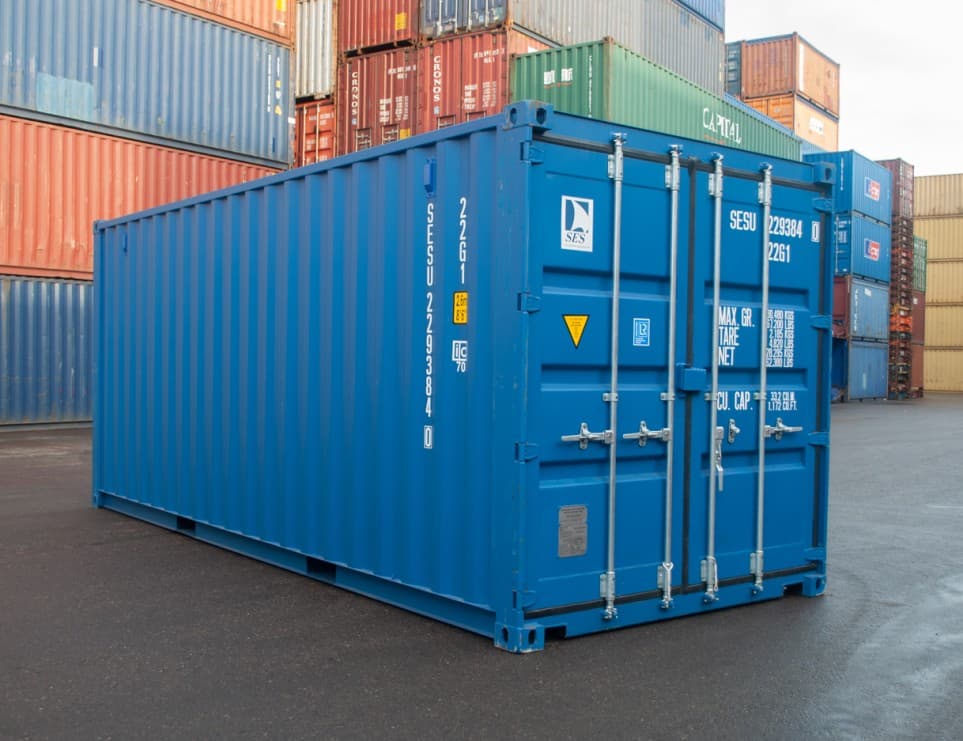
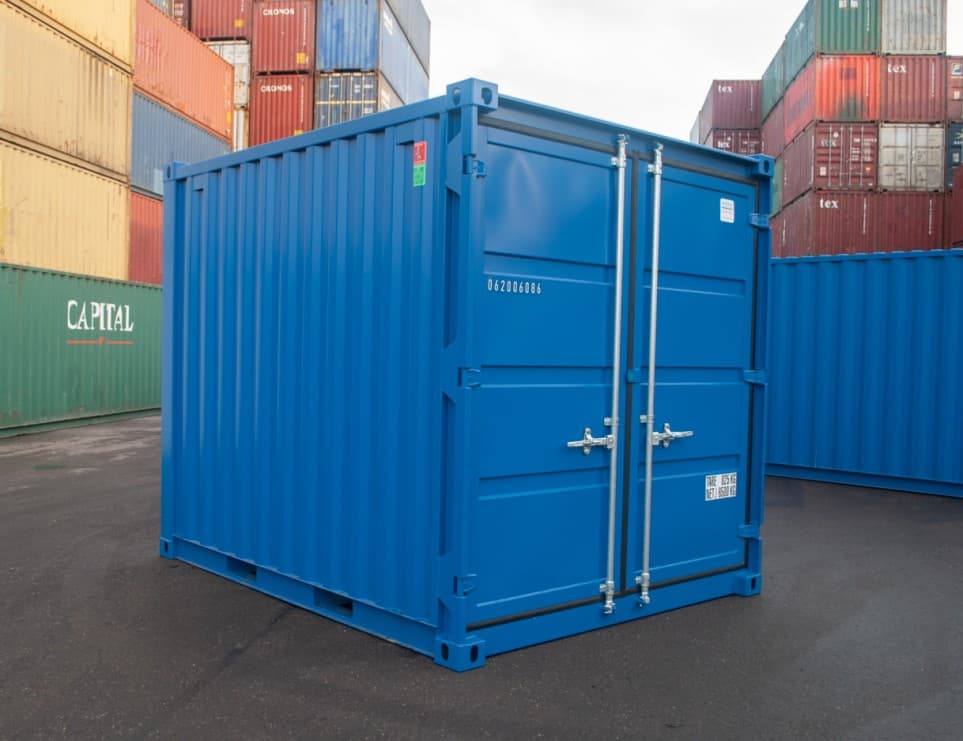
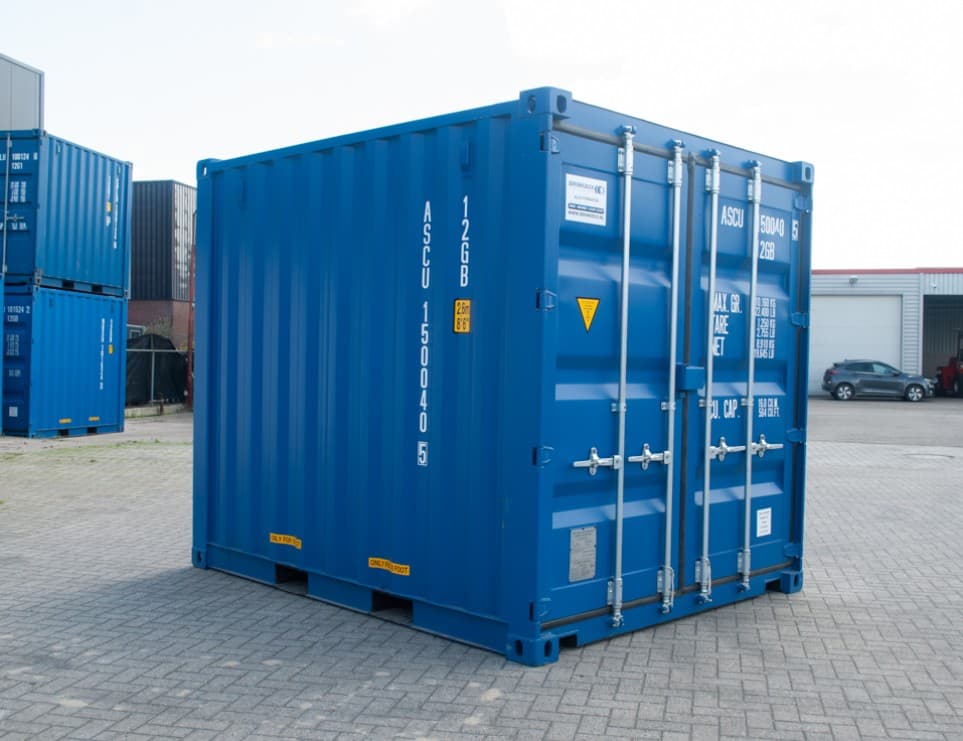
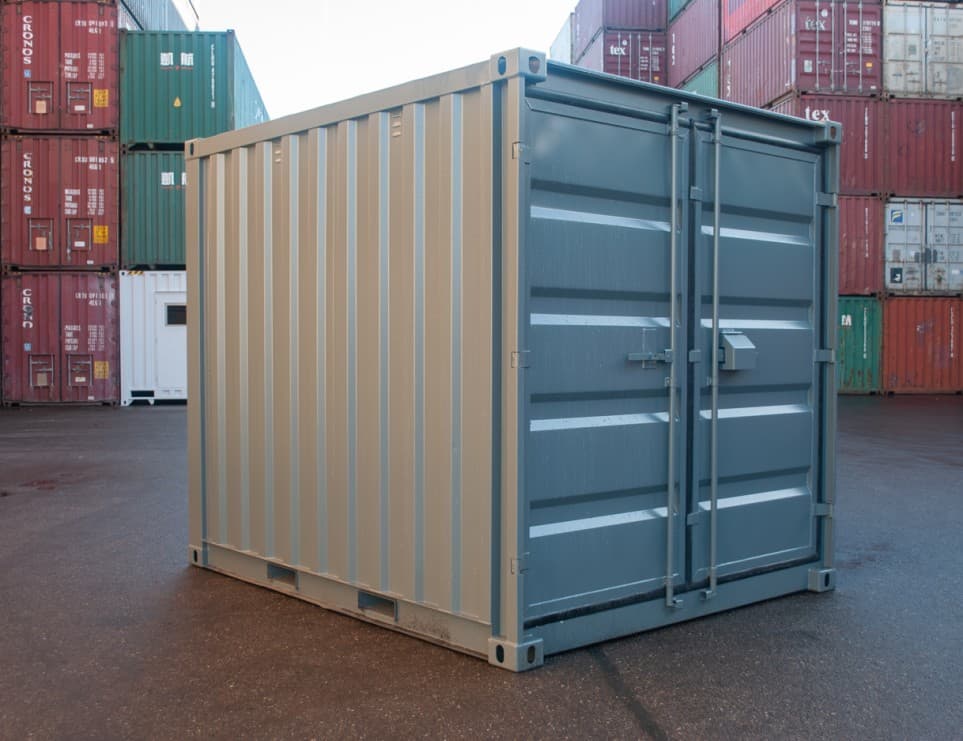
The 20 ft "First Trip" shipping container is a new container, also called "one trip". It was manufactured in the factory, then used to carry a cargo from its production site to Europe. It therefore has an impeccable aesthetic and structural condition, very close to new, without the wear marks, deep scratches or corrosion traces found on a used container that has already made many rotations. It is the compromise sought by professionals who want the reliability of new without necessarily paying the price of a container straight from the factory and never used.
This container is made of Corten steel, a low-alloy steel that resists atmospheric corrosion thanks to the formation of a protective oxide layer on the surface. This feature is essential for equipment intended to remain outdoors for years, exposed to rain, sea air or spray. The structure is based on welded steel profiles, with corrugated walls that ensure the rigidity of the whole. The floor is 28 mm marine plywood, a glued wood panel resistant to humidity, capable of supporting heavy loads and frequent passage. The rear doors are double doors equipped with container locks, the vertical bars and handles that keep the leaves closed and ensure water and dust tightness when the seals are in good condition.
In terms of dimensions, this container complies with ISO standards applicable to 20 ft shipping containers. Its standard external dimensions are approximately 6.06 m long, 2.44 m wide and 2.59 m high. The useful internal dimensions are approximately 5.90 m long, 2.35 m wide and 2.39 m high. The internal volume is approximately 33 m³ and the floor area approximately 13.8 m². The tare weight is generally around 2,200 to 2,400 kg depending on manufacturers, and the maximum payload can reach approximately 28,000 kg, within the limits of certificates and transport rules. These values are common references for a standard 20 ft container; they may vary slightly from one manufacturer to another.
Among the equipment on this model is the security lockbox. This is a metal box welded to the doors, which protects the padlock or lock against cutting or break-in attempts. It is equipment appreciated for storing valuable materials, as it significantly complicates forced opening of the doors. The container also has forklift pockets, openings in the base that allow a forklift to lift the whole without damaging the structure. These pockets facilitate handling on site, particularly when the container must be moved within a yard, warehouse or construction area.
The standard color offered is RAL 5010 (blue) or RAL 7035 (grey). These shades are common in the shipping container world and fit as well into an industrial environment as into a more refined setting, for example for event use or a location visible from the public road. The factory-applied paint protects the steel and limits corrosion touch-ups. It is however normal, over time, for scratches or chips to appear, particularly during handling. Simple maintenance, consisting of cleaning the affected areas and applying a suitable anti-rust paint, extends the life of the shell.
The 20 ft container is the most widespread format in global shipping. Its length of 20 feet (about 6 meters) corresponds to the reference unit used by shipping companies, which facilitates its transport, stacking and integration into logistics chains. For an individual or a company, this means it is relatively easy to resell, move and have transported by equipped professionals. The 20 ft format is also more maneuverable than a 40 ft: it passes more easily through narrow accesses and can be placed on sites where a 40 ft would be too bulky.
In terms of uses, this new "first trip" container is suitable for many applications. Storage is the most direct use: construction equipment, tools, furniture, archives, various goods, seasonal equipment. Thanks to its watertightness and rigid structure, it protects the contents from rain, wind and dust, provided the door seals are in good condition and the container is placed stably. For visible storage, for example in a company parking lot or a commercial area, the aesthetic appearance of the "first trip" is an asset: the container does not give the impression of degraded equipment.
Events are another area where this type of container is used. It is seen as a reception point, ticket office, cloakroom, technical room, catering stand or temporary storage space at a festival, trade show or sporting event. Its standard color and new condition allow it to be integrated into a neat visual layout, possibly with graphic customization. The container can also serve as a conversion base: site office, caretaker's room, workshop, changing rooms, sanitary facilities, break room, studio, sales room, etc. Converting a new container is often simpler than converting a used one, because the structure is sound, without previous repairs or significant corrosion. Cuts for doors, windows and technical passages are made in a homogeneous material, which limits bad surprises.
When considering buying a shipping container, several points deserve attention. First, check the ISO certification and the CSC plate (Convention for Safe Containers), which certifies that the container is suitable for international shipping. This plate is generally located on the rear door or on the side. For a "first trip" container, it must be present and in good condition. Then, it is advisable to inspect the floor: the 28 mm marine plywood must be dry, without soft areas, delamination or persistent moisture traces. A sound floor is essential to support heavy loads and avoid mold smells. The walls and roof must be examined for impacts, deformations or rust spots. Even on a new container, slight handling scratches may exist; they do not compromise the structure, but they may require paint touch-up.
The doors must open and close without forcing, with flexible and uncracked seals. The locks must slide correctly and keep the leaves tight. The lockbox must be solidly welded and aligned with the attachment points. The forklift pockets must be clear and unobstructed. Finally, it is recommended to check that the container is rectangular, without significant twisting: a geometry defect can complicate stacking, fitting accessories or conversion.
Transporting a 20 ft container in France and Europe is governed by rules that depend on the mode of travel. On the road, a 20 ft container can be transported on a container truck or a suitable trailer. The authorized gross vehicle weight, dimensions and signage must comply with the Highway Code. For an exceptional convoy, specific permits may be required, but a standard 20 ft container generally fits within authorized dimensions. Rail and river transport is also possible, particularly from major ports such as Marseille, where the company D.S. Globe Conteneur is located. The port of Marseille is a major entry point for shipping containers in France, which facilitates supply and logistics.
On-site installation requires minimal preparation. The container must be placed on a flat and stable surface: concrete slab, compacted gravel, concrete blocks or beams. An uneven ground can cause structural deformations, particularly at the corners. It is important to respect the four lifting points at the corners, which are designed to support the weight of the whole. The container can be placed directly on the ground, but a slight elevation (for example with blocks) limits contact with humidity and improves ventilation under the floor. If the container is intended to remain for a long time, it is useful to provide drainage around the area and check that water does not stagnate against the walls.
For interior fitting, several options exist. Insulation is often the first step: without insulation, a steel container can become very hot in summer and cold in winter, and condensation can form on the walls. Insulating panels, a light frame and interior cladding create a comfortable space. Ventilation is also important to evacuate humidity and renew air. Electricity must be installed according to current standards, with suitable conduits and correct grounding. For residential or office use, it is necessary to comply with local urban planning rules: prior declaration, building permit depending on surface and purpose, compliance with safety and accessibility rules. It is recommended to inquire with the town hall before any conversion.
Maintaining a shipping container is relatively simple. Regular cleaning with clear water, with a mild detergent if necessary, removes dust, salt and debris. Avoid overly powerful pressure washers on seals and weakened painted areas. An annual inspection of sensitive points (corners, lower walls, door surrounds, roof) detects early corrosion. Small scratches can be treated with anti-rust paint of a similar shade. Door seals, if worn, can be replaced; this is a common wear part. Hinges and locks can be lightly lubricated to facilitate handling. Finally, it is advisable to keep the container closed when not accessing it, to limit the entry of moisture and pests.
The 20 ft "first trip" container has several advantages over a used container. First, the aesthetic and structural condition is impeccable, which limits refurbishment work. Then, the presence of the lockbox and forklift pockets adds practical features from purchase. Finally, traceability is generally better: a new container has a short and known history, which reassures about its origin and quality. The price of €2,350.00 excl. tax is consistent with the market for new or first trip 20 ft containers, which often range from €2,000 to €3,000 depending on condition, equipment and availability. Note that this price may vary depending on market fluctuations, transport costs and demand.
For professionals, this container can be integrated into a storage fleet, used as a conversion base for repetitive modules, or resold after use. For individuals, it represents a durable storage solution, a workshop, a garage or a base for a light housing project. In all cases, it is recommended to verify compliance with local urban planning and safety rules, and to call on professionals for transport and handling. D.S. Globe Conteneur, based in Marseille, can support customers in choosing, delivering and installing this type of container, relying on knowledge of the maritime sector and local logistical constraints.
In summary, the 20 ft "First Trip" shipping container is reliable equipment, made of Corten steel, with marine plywood floor, lock doors, lockbox and forklift pockets. It is suitable for storage, events, site offices and conversion. Its new condition and ISO certification make it a sound base for many projects. Before purchase, it is advisable to inspect the structure, floor, doors and equipment, and to check transport and installation conditions. With simple maintenance, this container can serve durably, whether for professional or personal use.