Description
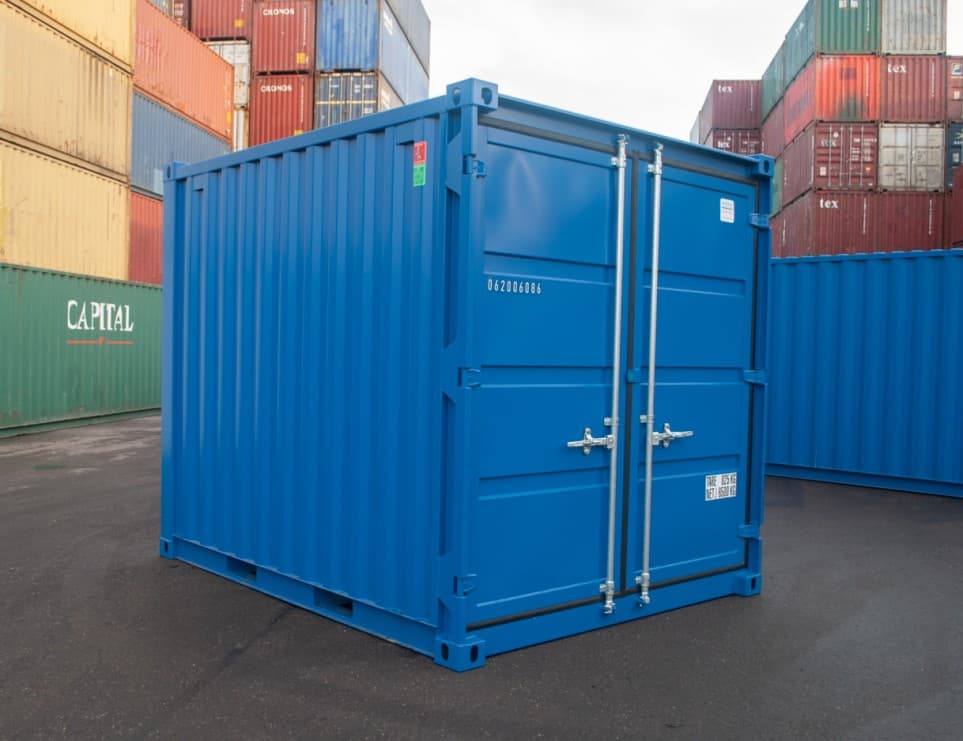
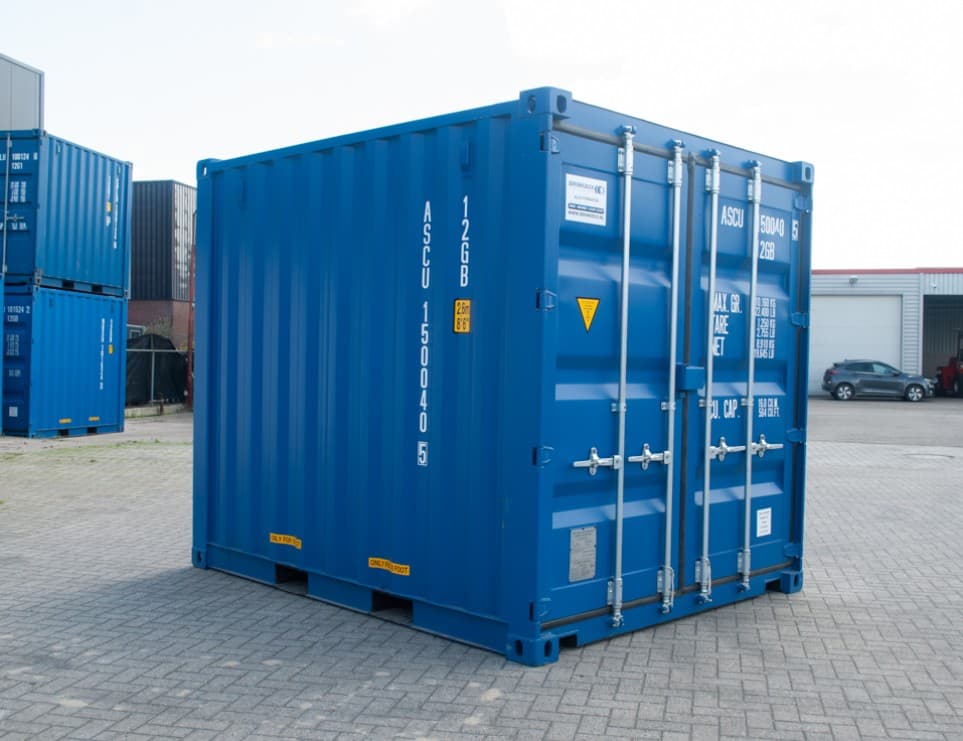
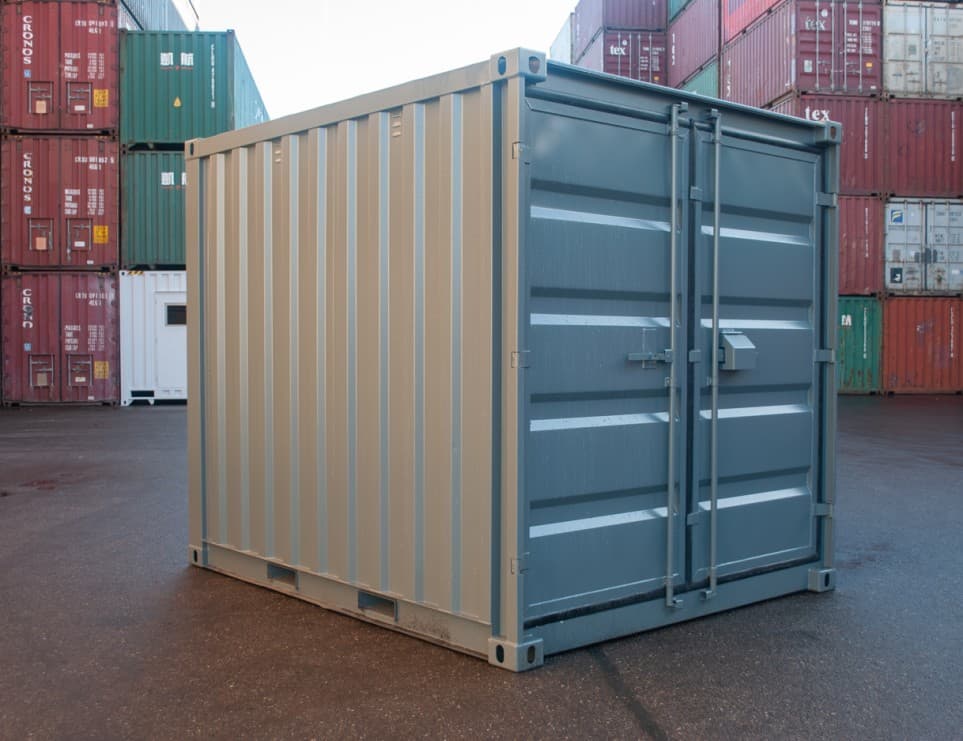
The used 20ft Dry shipping container is a widely used storage and transport unit, valued for its robustness and modularity. This model, from the international shipping fleet, has been inspected and checked to meet watertightness and safety requirements. It is an economical alternative to traditional storage solutions, while offering an extended lifespan thanks to its industrial design.
This container is called "Dry" (or "standard"), meaning it is designed for the transport and storage of dry goods, without a temperature control system. It should not be confused with "Reefer" (refrigerated), "Open Top" (opening roof) or "Flat Rack" (no side walls) containers. Its versatility makes it a common choice for many uses, from simple self-storage to a site technical room.
Technical specifications and dimensions. A 20ft shipping container complies with ISO 668 and ISO 1496 standards, which define its external dimensions and structural strength. Its standard external dimensions are approximately 6.058 m long, 2.438 m wide and 2.591 m high. Typical internal dimensions are approximately 5.898 m long, 2.352 m wide and 2.393 m high, giving an internal volume of about 33 m³. The tare weight is generally around 2,200 to 2,400 kg, and the maximum payload can reach about 28,000 kg, depending on the exact specifications of the model. The maximum gross weight (MGW) is commonly 30,480 kg. These values may vary slightly from one manufacturer to another, but they are the reference for this type of container.
The structure is made of Corten steel, a low-alloy steel that offers better corrosion resistance than ordinary steel. The side and front walls are made of corrugated sheets, which provide rigidity and resistance to deformation. The roof is also made of corrugated steel, and the floor is 28 mm thick marine plywood, treated to resist moisture and heavy loads. This floor is fixed on steel cross members, which ensure load distribution. The rear doors are double-leaf, equipped with container locking bars and rubber gaskets. These gaskets are essential to guarantee airtightness and watertightness; they must be checked regularly and replaced if necessary.
The 20ft Dry container is often described as "Wind & Watertight" (WWT) when it has been tested and certified wind and watertight. This guarantee means that the container has no water leaks in the roof, walls or doors, and that it effectively protects goods against bad weather. When buying a used container, it is recommended to visually check the condition of the gaskets, the absence of holes or perforating corrosion, and the proper functioning of the locks. A WWT container can be used for long-term storage, even outdoors, without fear for moisture-sensitive equipment.
Common uses. The 20ft Dry shipping container is used in many contexts. Static storage is the most widespread use: it secures archives, tools, electronic equipment, furniture or various goods. Its watertight design and lock (with the option of adding a padlock) provide protection against theft and bad weather. On construction sites, it serves as a site office, a storage room for materials, or a changing room for teams. It can be fitted with shelves, lighting and ventilation to improve comfort.
In modular housing, the 20ft container can be converted into a studio, office, bathroom or kitchen after fitting out. Its compact volume makes it suitable for small plots, and its robust structure allows several units to be stacked to create multi-level spaces. For export, it is used to transport goods by sea, road or rail. It can be stacked and handled with suitable lifting equipment (reach stacker, crane, forklift equipped with a spreader).
Points to watch when buying a used container. Buying a used container requires a careful examination of its condition. It is advisable to check for rust, especially on the roof, walls and bottom frame. Surface corrosion is normal and can be treated, but perforating corrosion can compromise watertightness and structural strength. Dents and deformations should also be inspected: they may indicate a violent impact and affect stacking or watertightness. The floor should be examined for rotten areas, splinters or sagging. The doors should open and close without excessive effort, and the gaskets should be supple and free of cuts. Finally, it is recommended to request a watertightness guarantee (WWT) and to check that the container is delivered with its identification plate (CSC) and identification number (BIC).
Transport regulations in France. In France, the transport of shipping containers is subject to regulations on vehicle weights and dimensions. A 20ft container can be transported by truck, but its total laden weight must not exceed the limits authorised on the road network (generally 44 tonnes for a road train). Exceptional transport may be required for convoys exceeding these limits. In addition, the container must be properly secured on the vehicle, in accordance with road safety rules. For import, customs duties and taxes may apply; it is advisable to check with the customs authorities.
Care and maintenance. A used shipping container requires minimal but regular maintenance. It is recommended to clean the roof and gutters to prevent the accumulation of leaves and debris, which can retain moisture and encourage rust. Door gaskets should be cleaned and lubricated (with a silicone-based product) to prevent them from drying out and cracking. Locks and hinges should be greased periodically. If rust areas appear, they should be brushed and treated with anti-rust paint. A well-maintained container can last several decades.
Choosing between new and used. A new container offers perfect watertightness and appearance, but its cost is higher. A used container, like the one offered here, is more economical and retains all the structural qualities needed for intensive use. It may show signs of wear (scratches, small dents) that do not affect its performance. It is a wise choice for a controlled budget, whether for professional or personal use.
In summary, the used 20ft Dry shipping container is a reliable, durable and versatile solution. Its Corten steel structure, marine plywood floor and watertight doors make it a safe shelter for your goods. Whether for storage, fitting out or shipping, it meets many needs with excellent value for money. Before purchase, inspect it carefully and make sure it is properly watertight (WWT). With simple maintenance, it will serve you for many years.
To go further in using this container, it is useful to examine in detail the practical aspects of interior fitting, condensation precautions, sector-specific use cases, and comparisons with other container sizes and types. These elements help make an informed choice and optimise the use of the unit.
Interior fitting and space optimisation. The 33 m³ internal volume of a 20ft Dry lends itself to various configurations. For storage use, installing metal shelves or racks saves height and organises references. The corrugated walls offer natural anchor points, but it is better to fix shelves on horizontal rails bolted into the top and bottom corner rails, so as not to pierce the sheet and preserve watertightness. Battery-powered LED lighting or lighting connected to an external power supply improves comfort. For use as a site office, adding insulation (mineral wool panels or polyurethane foam) and an interior lining (plywood or panelling) helps moderate temperature variations. Mechanical or natural ventilation (grilles at the top and bottom) reduces humidity and renews the air. If the container is to accommodate personnel, a side access door or window should be provided, as well as an electrical supply compliant with current standards.
Condensation and humidity. Condensation is a common phenomenon in metal containers, especially when they are exposed to large temperature differences between day and night. Relative humidity can increase inside and cause corrosion or mould on stored goods. To limit this risk, it is advisable to use dehumidifiers (electric or salt-based), install moisture absorbers, or ventilate the container. Another solution is to apply an insulating coating to the inside face of the roof, the main condensation point. The marine plywood floor resists moisture, but it should not remain in prolonged contact with water; it is therefore important to check for leaks and to clean up any spillage quickly.
Sector-specific use cases. In agriculture, the 20ft Dry container is used to store seeds, fertiliser, tools and small equipment. It protects inputs from rodents and bad weather. In construction, it is used as a site room to store power tools, PPE, spare parts, or as a changing room and break room. Logistics companies see it as a buffer storage method for pallets and parcels, especially during peak activity. Local authorities and associations use it to store event equipment, decorations, or as a technical room for road equipment. Finally, individuals use it as self-storage, a DIY workshop, or a secure garden shed.
Comparison with other container sizes and types. The 20ft container is the smallest standard format in shipping, with a length of about 6 m. The 40ft container is about 12 m long and offers double the volume (about 67 m³). The 40ft High Cube (HC) adds about 30 cm of internal height, increasing the volume to about 76 m³ and making it easier to store tall loads. The 20ft is more manoeuvrable, easier to move and to place on a cramped plot. It can be transported by standard trucks without exceptional convoy in most cases, whereas the 40ft often requires a longer container carrier. The 20ft is also better suited to stacking on small plots. On the other hand, the 40ft offers a better cost per cubic metre for storing large quantities. The choice therefore depends on the volume to be stored, the available space and transport constraints.
Specialised container types. Besides the Dry, there are Reefer containers, which are insulated and equipped with a refrigeration unit for transporting perishable goods or temperature-sensitive products. They are heavier and require a power supply. Open Top containers have a removable or opening roof, allowing oversized goods to be loaded from above. Flat Racks have folding or absent side walls, and are used for heavy or bulky loads (machinery, equipment). Tank containers are designed for liquids and gases. Finally, High Cube containers are a taller variant of the standard Dry. The 20ft Dry container remains the most versatile and economical for most common needs.
Security and protection against theft. A shipping container offers greater security than a conventional garden shed. Its steel walls and lockable doors discourage intrusion. To strengthen protection, it is possible to install a high-security padlock (disc lock type) on the handles, or to add an additional door lock. Some container models are equipped with reinforced locking bars. It is also advisable to park the container in a visible or lit location, and to check the condition of the locks regularly. For storing valuables, an alarm or remote monitoring system can be considered.
Foundations and installation. A 20ft container can be placed on flat, stabilised ground, such as a concrete slab, concrete blocks, or wooden beams. It is essential that the support is level to avoid any deformation of the structure. If the container is to be stacked, suitable foundations must be provided and safety rules respected. Anchoring to the ground is recommended in wind-exposed areas. For prolonged use, it is advisable to raise the container a few centimetres to allow air circulation under the floor and prevent moisture accumulation.
Planning regulations. In France, installing a container on private land may be subject to planning rules. A container used as a storage room may be considered a construction and require prior authorisation (prior declaration of works or building permit) depending on its surface area and installation duration. It is recommended to check with the town hall before any installation. For temporary use on a construction site, a declaration may also be required. The container must comply with fire safety and accessibility rules if it receives the public.
Transport and handling. The 20ft container is equipped with four corner castings at the corners, which allow it to be lifted and secured. For movement, a container truck with a hydraulic arm (ampliroll) or a forklift fitted with a spreader is required. As the tare weight is about 2.2 to 2.4 tonnes, a forklift with sufficient capacity is required. During transport, the container must be locked onto the truck chassis using twist-locks. It is important to respect height and width limits on public roads. An exceptional convoy may be necessary if the container is loaded beyond regulatory limits.
Conclusion. The used 20ft Dry shipping container is a durable and functional investment. Its robust design, watertightness and modularity make it a solution suited to many projects. By taking care to inspect it before purchase and maintain it regularly, you will benefit from secure and economical storage space for many years. Whether you are a building professional, a farmer, a logistics specialist or an individual, this container will meet your needs reliably.