Description
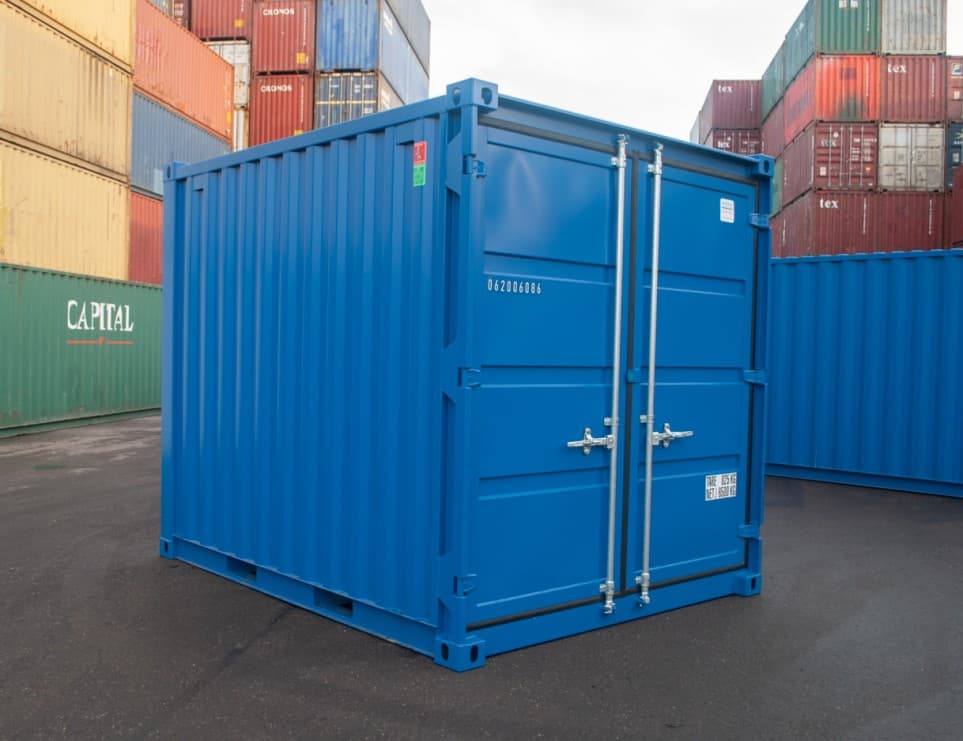
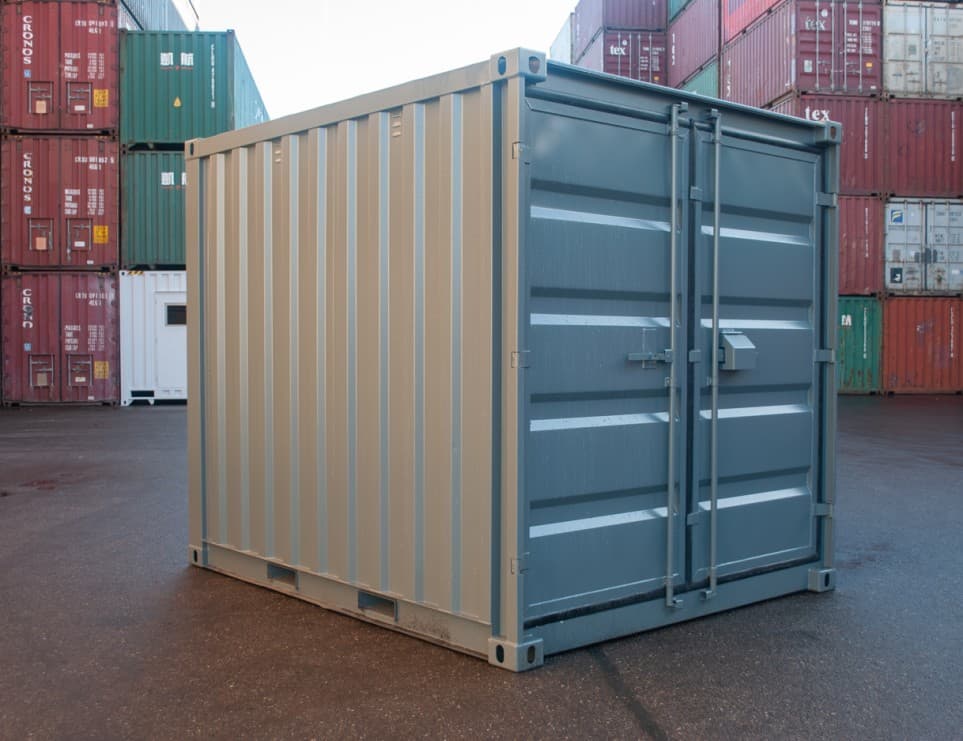
The used 40ft Dry shipping container we offer at D.S. Globe Conteneur is a proven storage and transport unit, built to current ISO standards. With a nominal length of 40 feet, about 12.19 metres, it offers an internal volume of around 67 cubic metres, making it particularly suited to bulk storage, farms, construction sites and logistics operations. This container is "Dry" (or "Standard"), meaning it has no refrigeration or forced ventilation: it is designed for transporting and storing dry goods that do not require temperature control. Its structure is made of Corten steel, a low-alloy steel that resists atmospheric corrosion thanks to a protective oxide layer that forms on the surface. This is essential for equipment meant to stay outdoors, exposed to the weather, over the long term.
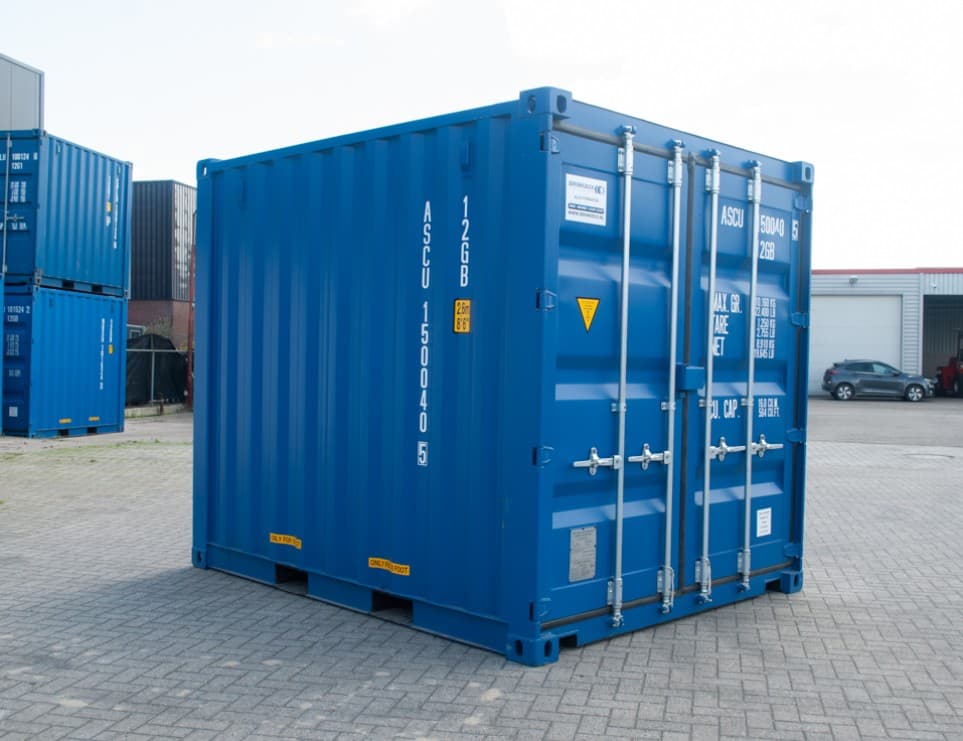
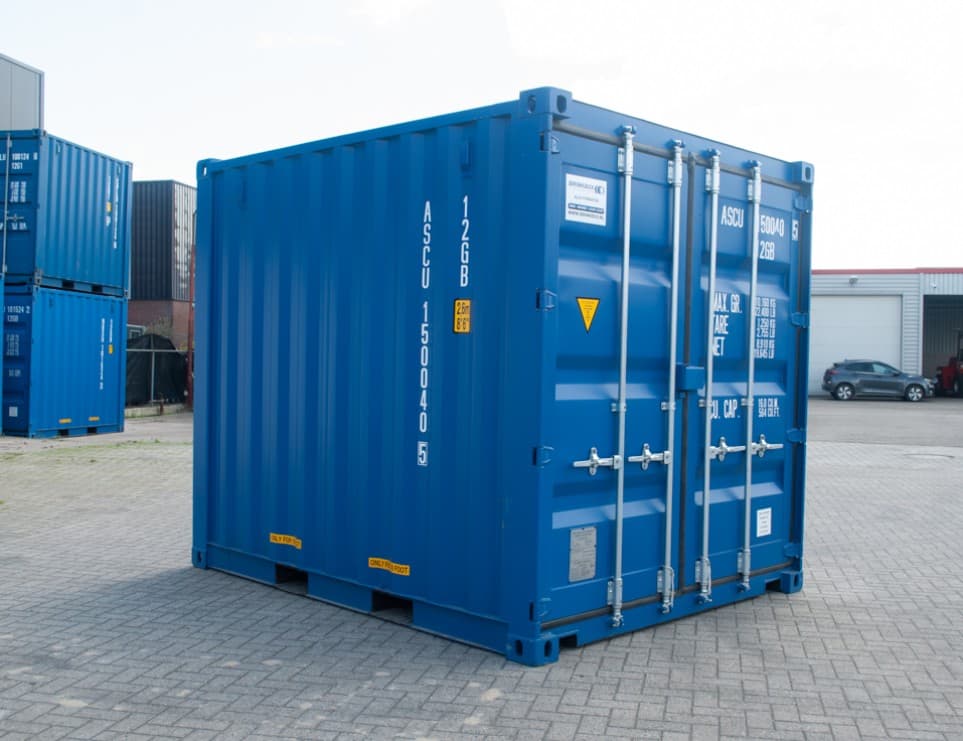
The standard external dimensions of a 40ft Dry container are about 12.19 m long, 2.44 m wide and 2.59 m high. Typical internal dimensions are about 12.03 m long, 2.35 m wide and 2.39 m high, giving an internal volume of around 67 m³. The tare weight is generally around 3,700 to 3,900 kg depending on the manufacturer, and the maximum payload is about 26 to 28 tonnes, for a maximum gross weight (MGW) of 30,480 kg, in accordance with ISO 668. These values may vary slightly from one container to another; the identification plates on the door or side wall state the exact tare, payload and maximum gross weight of the unit concerned. We recommend checking these plates when inspecting the container.
The container's structure is based on a steel frame of welded rails and posts. The side and roof panels are corrugated steel sheet, giving the whole unit significant rigidity and good impact resistance. The floor is 28 mm marine plywood, treated to resist moisture and rolling loads. This floor is fixed to metal cross members and can support a forklift, provided the machine's wheels are suitable and the load is properly distributed. The double rear doors are fitted with container locks (vertical and horizontal locking bars) and rubber seals. These seals make the container airtight and watertight, which is essential to protect stored goods from moisture and leaks.
The used 40ft Dry container is offered in "cargo worthy" quality. This means it has already been used for sea transport but has been inspected and judged fit to return to service, particularly for transporting dry goods. It generally shows normal signs of wear: scratches, minor surface dents, surface rust. These marks do not affect structural strength or watertightness, provided the container has been properly maintained. Cargo worthy quality is particularly sought after for storage on construction sites or in outdoor warehouses, as it offers a good balance between price and reliability.
One of the main uses of this container is storing materials and equipment on construction sites. Its size allows you to store tools, spare parts, building materials or sensitive equipment. It can also serve as a technical room or site office, after basic fitting out. In agriculture, it is commonly used as a storage shed for crops, fodder, seeds or farm equipment. Its watertight design protects against rodents and bad weather, a significant advantage over an open building. Logistics companies use it as a temporary or permanent storage unit, on a prepared site or in a yard. Finally, it can be converted into a commercial unit, workshop, break room or storage space for a business, with fitting-out work (insulation, electricity, ventilation).
When buying a used 40ft container, several points should be checked. It is advisable to visually inspect the general condition of the structure: look for major dents on posts, rails or panels, which could indicate a violent impact. Check the floor: soft, rotten or loose areas may need partial or full replacement. Check the door seals: they must be flexible and free of tears to ensure watertightness. Examine the locks and hinges: they must work without excessive jamming. Finally, make sure the container is watertight: a simple test is to spray water on the roof and walls, then check for leaks inside. If you buy remotely, ask for detailed photos and, if possible, an on-site visit or a third-party inspection.
Maintaining a Corten steel shipping container is relatively simple. It is advisable to clean the surface regularly to prevent dirt and debris buildup, especially on the roof where water can stagnate. Small scratches and scuffs can be treated with anti-rust paint to prevent corrosion. If rust spots appear, it is important to brush them and repaint quickly. Door seals should be cleaned and possibly treated with a rubber care product to extend their life. The marine plywood floor can be cleaned with water and soap; avoid high-pressure jets that could damage the wood. Finally, it is recommended to check ventilation periodically: a closed container can accumulate condensation, especially with temperature changes. Adding dehumidifiers or small vents can be useful for storing moisture-sensitive materials.
From a regulatory standpoint, transporting a shipping container in France is subject to certain rules. A 40ft Dry container has an overall length of about 12.19 metres, which exceeds the maximum length allowed for a standard articulated vehicle (16.50 m) when loaded on a container chassis. Road transport of 40ft containers therefore requires a suitable vehicle and, in some cases, a special permit for abnormal loads, depending on total rolling weight and dimensions. In addition, the total weight of the loaded container must not exceed the vehicle's legal axle load and gross vehicle weight (GVW) limits. It is advisable to use a specialist carrier for delivery and placement of the container on your site. D.S. Globe Conteneur, based in Marseille, can assist you with these procedures and provide the necessary information.
As for on-site installation, the container must be placed on a flat, stable surface, preferably on concrete blocks or wooden beams to avoid direct contact with the ground and allow ventilation. Sloping or unstable ground can cause structural deformation. If the container is to remain permanently, it is advisable to provide a drainage system around the base to prevent water accumulation. Ground anchoring may be necessary in areas exposed to strong winds. Finally, if the container is to be stacked, check the strength of the corner castings and use appropriate twist locks.
The used 40ft Dry container is an economical and durable solution for many uses. Its used price, well below that of a new container, makes it an attractive choice for businesses wanting to invest in a storage unit without straining their budget. Its service life remains long if properly maintained, and its resale value is generally stable. By choosing a used container of cargo worthy quality, you get reliable, watertight and secure equipment suited to a wide range of professional needs. Contact us to find out about availability and delivery options.
To go further in using this container, it is useful to detail certain sector-specific cases. In events, a 40ft container can serve as a mobile warehouse for stage equipment, stands, chairs and sound systems. Its capacity can store the equivalent of several pallets of equipment, while remaining accessible through a single rear door. Organisers appreciate its modularity: it can be delivered to a festival site, used during the event, then taken away and stored elsewhere. In construction, 40ft containers are often converted into site stores, with interior fittings including shelves, a desk and a water point. The 12-metre length allows storage and work areas to be separated, improving organisation. For landscaping or green space companies, it provides shelter for tools, mowers and consumables, protected from rain and theft. In retail, it can be used as storage for a shop, avoiding overcrowded back rooms. Finally, in agriculture, it can store bagged grain, fertiliser, plant protection products (subject to chemical storage rules) or irrigation equipment.
Compared with other container sizes and types, the 40ft Dry has advantages and drawbacks to weigh up. A 20ft Dry container offers about 33 m³ and a length of 6.06 m. It is easier to transport, as it can be loaded on a standard truck without exceeding length limits, and it is often cheaper to buy. However, it offers half the volume and a generally less favourable price/volume ratio. The 40ft is therefore more attractive for large storage needs, provided you have the space and suitable handling equipment. The 40ft High Cube (HC) has an internal height about 30 cm greater, around 2.69 m instead of 2.39 m, for a volume of about 76 m³. It is prized for transporting bulky but light goods, or for interior fitting (mezzanine, insulation). Its price is generally a little higher than a standard Dry. The Open Top container has an opening (tarpaulin) roof that allows tall objects to be loaded from above; it is useful for oversized machines or materials, but it is less watertight than a Dry and more expensive. The Flat Rack, with no walls or roof, is designed for heavy or bulky loads; it is not suitable for storing weather-sensitive goods. The Reefer, finally, is a refrigerated container fitted with a cooling unit, intended for perishable goods; its purchase and operating costs are significantly higher, and it requires a power supply. The choice therefore depends on the nature of the goods to be stored, the budget and logistical constraints.
Another important aspect concerns ventilation and condensation. Even a watertight Dry container can experience internal condensation when the outside temperature varies and the inside air is humid. To limit this, you can install ventilation grilles on the walls, or use moisture absorbers. When storing sensitive materials (paper, textiles, electronics), it is advisable to raise pallets off the floor using battens, to allow air to circulate. Regular checks of relative humidity can be done with a simple hygrometer. If the container is intended for food or pharmaceutical use, specific standards may apply, and it is advisable to consult a professional.
In terms of security, the 40ft container offers good resistance to break-ins thanks to its steel structure and locks. However, it is not inviolable. To enhance security, you can add extra locks (padlocks, security bars), an alarm system, or deterrent lighting nearby. It is also possible to install protective grilles on the top openings or vents. In high-risk areas, it is advisable not to store high-value goods without additional protection. Placing the container on a concrete slab or blocks can also limit access from underneath.
Sea transport and handling of the 40ft container require specific equipment. The corner castings at the eight corners are standardised under ISO 1161 and allow the use of spreaders, twist locks and slings. A 40ft container can be handled by a reach stacker, a side loader or a mobile crane. For loading onto a truck, a 40ft container chassis is required. The total weight (container + goods) must not exceed the vehicle's limits and road regulations. In France, the gross vehicle weight (GVW) for a road train is generally 44 tonnes for abnormal transport, but most standard trucks are limited to 40 tonnes. It is therefore essential to know the weight of the goods to comply with these limits.
Finally, buying a used container means checking traceability and history. A container that has carried dangerous goods may have been cleaned, but it is better to make sure. Containers intended for food storage must be free of chemical residues. A cleaning certificate can be requested from the seller. Likewise, if the container has been used to transport goods to countries subject to health restrictions, a treatment may have been applied (fumigation). It is advisable to find out about these points before buying. At D.S. Globe Conteneur, we can provide the available information on the origin and condition of each unit.
In summary, the used 40ft Dry container is a versatile, robust and economical tool. It suits many professional uses and can be adapted to specific needs. Its purchase should, however, be accompanied by a careful check of its condition and consideration of transport and installation constraints. By following the advice above, you can get the most out of this durable piece of equipment.