Description
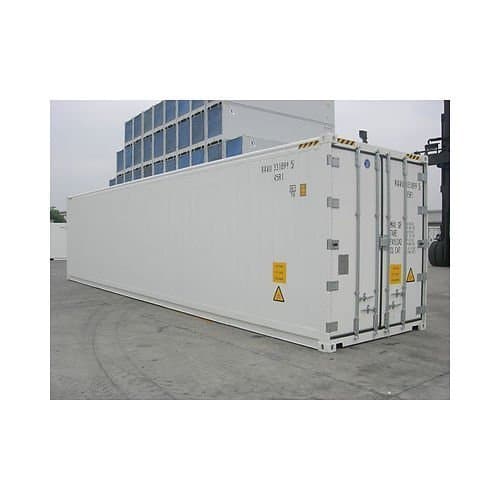
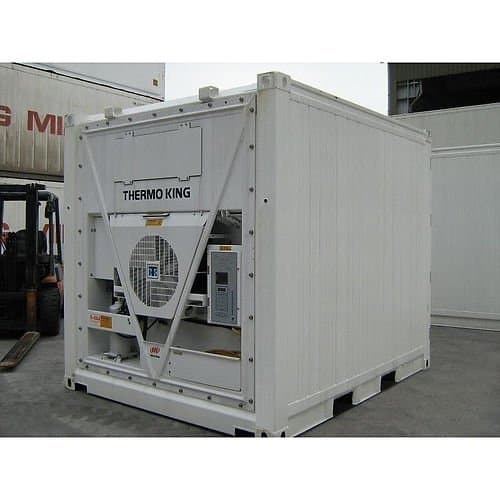
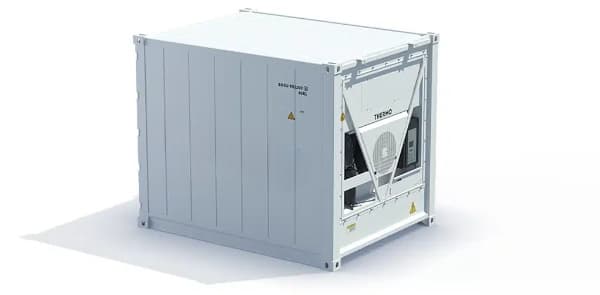
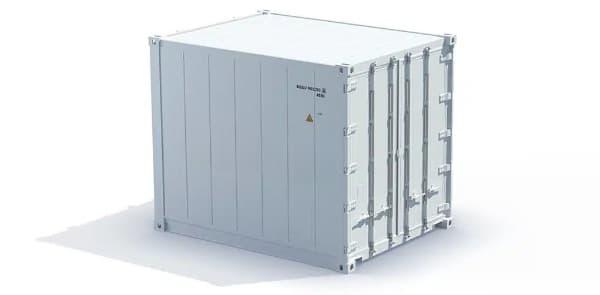
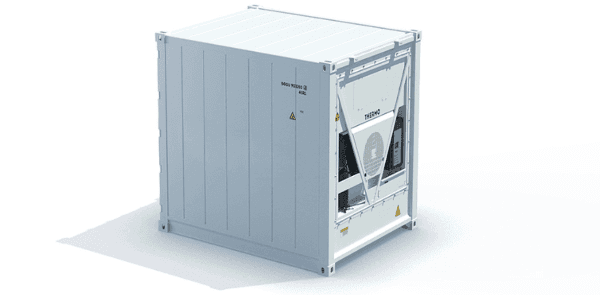
The 45 ft refrigerated container, also known as a 45 ft reefer container, is a temperature-controlled transport and storage unit. It differs from standard dry containers by its integrated cooling unit and reinforced insulation, which maintain a temperature range from -25°C to +25°C. This type of container is commonly used to store fresh, frozen or temperature-sensitive goods, whether food or non-food. In the food sector, it preserves fruit and vegetables, meat products, dairy products, prepared meals or frozen goods. In the non-food sector, it is used to store pharmaceuticals, cosmetics, cut flowers or certain chemicals requiring a stable temperature. The 45 ft refrigerated container connects to a 380V three-phase power supply and runs with a controlled cooling unit, operated via a Daikin, Thermoking or Carrier control panel. This precise regulation, with an accuracy of +/- 0.1°C, ensures reliable preservation of sensitive goods. The container structure combines Corten steel for the frame and stainless steel for certain parts, offering corrosion resistance suited to marine and industrial environments. The floor is flat aluminium, a light, durable and easy-to-clean material, meeting HACCP hygiene requirements. The 70 mm thick insulation helps limit heat loss and stabilise the internal temperature. The double-leaf doors on one external face open to 270°, facilitating loading and unloading, including with handling equipment. The 45 ft reefer container offers a usable internal volume of 83.14 m³ up to the maximum ventilation line, and can hold up to 33 Euro pallets. Its internal dimensions are 13,316 mm long, 2,440 mm wide and 2,569 mm high, with a usable height up to the loading limit of 2,469 mm. External dimensions are 13,716 mm long, 2,580 mm wide and 2,896 mm high. The doors are 2,440 mm wide and 2,562 mm high. The tare weight is 6,180 kg, the maximum payload 27,820 kg and the gross weight 34,000 kg. This container complies with the ISO standard, type 45R1 – ISO group 45RT, ensuring interoperability in international logistics chains. It is delivered ready to use, with a controlled cooling unit. The refrigerant used is R134A or R404, and R442 can be offered on request. The 45 ft reefer container can be used for stationary storage on an industrial, commercial or agricultural site, or for multimodal transport (sea, road, rail). For stationary use, a suitable power supply and a stabilised location are required. For mobile use, regulations on the transport of temperature-controlled goods must be observed, particularly in France under the amended decree of 20 July 1998 on the transport of perishable foodstuffs, which sets maximum temperatures by product category. Maintaining a refrigerated container is essential to preserve its performance. It is recommended to regularly check the cooling unit, the cleanliness of the condenser, the tightness of the refrigeration circuit, the correct operation of defrosting and the calibration of temperature sensors. Periodic cleaning of the interior, using products suitable for stainless steel and aluminium surfaces, preserves hygiene and prevents contamination. Door seals should be inspected and replaced if necessary to prevent warm air infiltration. When buying a used refrigerated container, it is advisable to check the maintenance history, the condition of the compressor, the presence of corrosion on the structure and the correct operation of the control system. A real-condition test, with temperature readings over several hours, verifies the unit's ability to maintain the setpoint. It is also important to check the compliance of the refrigerants used, as some are subject to environmental regulations (F-Gas regulation in Europe). The 45 ft reefer container can be fitted out for specific uses, such as a mobile cold room, a temporary laboratory or a storage unit for events. Its modularity and robustness make it a flexible solution for many sectors. Compared with a 20 ft or 40 ft reefer container, the 45 ft offers greater storage capacity, reducing the number of units needed for the same volume. However, its length can be a constraint for some sites with limited space. It is therefore important to check the suitability of the location and access routes. In summary, the 45 ft refrigerated container is an efficient solution for storing and transporting goods under controlled temperature, combining capacity, precision and compliance with international standards. Its use, however, requires particular attention to maintenance and current regulations.
To further explore the use of this container, it is helpful to detail its sector-specific applications. In the agri-food industry, the 45 ft reefer container serves as a remote cold room on a production site, wholesale market or logistics platform. It stores pallets of fresh products before dispatch, or frozen goods awaiting loading. Agricultural cooperatives use it to store fruit and vegetables after harvest, with precise control of temperature and humidity. In the fishing sector, it can preserve seafood on ice or frozen, provided regulatory temperatures are respected. Food businesses, such as caterers or restaurants, find it a temporary storage solution during peak activity or renovation periods. In the pharmaceutical field, the refrigerated container is used to store vaccines, temperature-sensitive medicines or blood products, subject to validating the thermal qualification of the enclosure and having a temperature recorder. Analysis laboratories can install samples requiring a stable temperature. The cosmetics sector also uses these containers to preserve heat-sensitive formulas. For events, a 45 ft reefer container can serve as a cold kitchen, a storage area for caterers or a temporary cold room for a festival. In horticulture, it preserves cut flowers, plants or seeds at a suitable temperature. Finally, some industries use this type of container to store chemicals or composite materials requiring a controlled temperature.
Routine maintenance of a 45 ft refrigerated container deserves detail to ensure its longevity. The cooling unit must be inspected regularly: checking compressor oil level, monitoring pressures, cleaning heat exchangers and replacing air filters. The condenser, exposed to dust and debris, must be cleaned with water or compressed air according to the manufacturer's recommendations. The refrigeration circuit must be checked for refrigerant leaks, as a pressure loss reduces performance and increases power consumption. The defrost system, often automatic, must be tested periodically to prevent frost build-up on the evaporator, which reduces heat exchange. Temperature sensors must be calibrated at least once a year, and a calibration certificate may be required in the agri-food or pharmaceutical industry. Door seals, made of rubber or silicone, wear over time and must be replaced as soon as they show cracks or deformation, to maintain airtightness. Hinges and locking mechanisms must be lubricated to facilitate opening and closing. The interior of the container, in stainless steel and aluminium, must be cleaned with non-abrasive products and rinsed with clean water. It is advisable to leave the doors open during idle periods to prevent mould and odours. A maintenance log, kept up to date, helps track interventions and plan preventive operations. In the event of a breakdown, it is recommended to call a qualified refrigeration technician, authorised to handle refrigerants.
The regulations applicable to refrigerated containers in France and Europe should be clarified. For road transport of perishable foodstuffs, the amended decree of 20 July 1998 sets the maximum temperatures to be observed by product category: for example, -18°C for frozen goods, +4°C for chilled products, +6°C for certain dairy products. The container must be equipped with a temperature recording device, and the carrier must be able to present the records during an inspection. For sea transport, the International Convention for Safe Containers (CSC) requires each container to have a valid approval plate. Reefer containers must also meet ISO 668 (dimensions and masses) and ISO 1496-2 (specifications for refrigerated containers) standards. In Europe, the F-Gas regulation governs the use of fluorinated refrigerants and requires periodic leak checks according to the CO2 equivalent charge. Refrigerants such as R134A and R404A are subject to progressive restrictions, and R442A, less polluting, can be an alternative. It is therefore important to check the compliance of the refrigerant used and keep a record of interventions. For a stationary installation, it may be necessary to declare the equipment to the authorities and comply with local planning rules, especially if the container is visible from the public highway. Finally, if the container is used as a workplace, it must comply with the Labour Code regarding safety, ventilation and lighting.
Comparing the 45 ft reefer container with other sizes and types helps clarify its value. The 20 ft reefer container offers a volume of around 28 m³ and a capacity of 11 Euro pallets; it is more manoeuvrable and suited to small volumes or cramped sites. The 40 ft reefer container, the most common, offers around 67 m³ and 20 to 25 pallets depending on stowage. The 45 ft reefer, with its 83.14 m³ and 33 pallets, represents a capacity increase of around 25% compared with the 40 ft, reducing the number of containers to handle and the associated logistics costs. However, its length of 13.716 m can complicate road transport, as it exceeds the standard length of some vehicles. It is often transported on suitable container ships or special trailers. Compared with a dry container, the reefer is heavier when empty (6,180 kg versus around 3,800 kg for a 40 ft dry) and requires a permanent power supply. It is also more expensive to buy and maintain. The high cube container, meanwhile, offers greater internal height (around 2.69 m) but does not regulate temperature. Open top and flat rack containers are designed for out-of-gauge loads and are not insulated. The choice therefore depends on the need: for temperature-controlled storage, the reefer is essential; for dry storage, a dry or high cube will be more economical. Finally, the 45 ft reefer container can be compared with a traditional cold room: it is mobile, quicker to install and requires no major construction work, but offers less volume and its lifespan depends on maintenance of the cooling unit. Its purchase price, from €6,500, can be competitive compared with building a fixed cold room, especially if use is temporary or evolving. Rental can also be considered for one-off needs. In conclusion, the 45 ft refrigerated container is a versatile solution for storage and transport under controlled temperature, provided its technical and regulatory constraints are properly assessed.
To complete this presentation, it is worth addressing points of vigilance when buying and commissioning. Before any purchase, it is essential to check the CSC plate and the date of the last periodic inspection, which attests to the structural compliance of the container. A used reefer container may have been used intensively in sea transport, which wears the cooling unit and walls. It is therefore advisable to examine the condition of the internal and external walls, the presence of perforating rust on the frame, the condition of the aluminium floor (deformation, stains) and the operation of the defrost system. A pull-down and temperature-holding test over at least 24 hours verifies the unit's performance. It is also important to ensure the container is compatible with the electrical network of the installation site: a 380V three-phase earthed socket is required, and the unit's power may vary depending on the model. In some cases, a transformer or generator may be required for use on an isolated site. Commissioning must be carried out by a qualified professional, who will check the tightness of connections, the refrigerant charge and the parameter settings. It is also advisable to provide clear space around the cooling unit to facilitate maintenance and avoid obstructions. Finally, the buyer should enquire about any local installation restrictions, particularly in urban or protected areas, and about insurance obligations. By including these checks, the user ensures a durable investment compliant with the requirements of their activity.